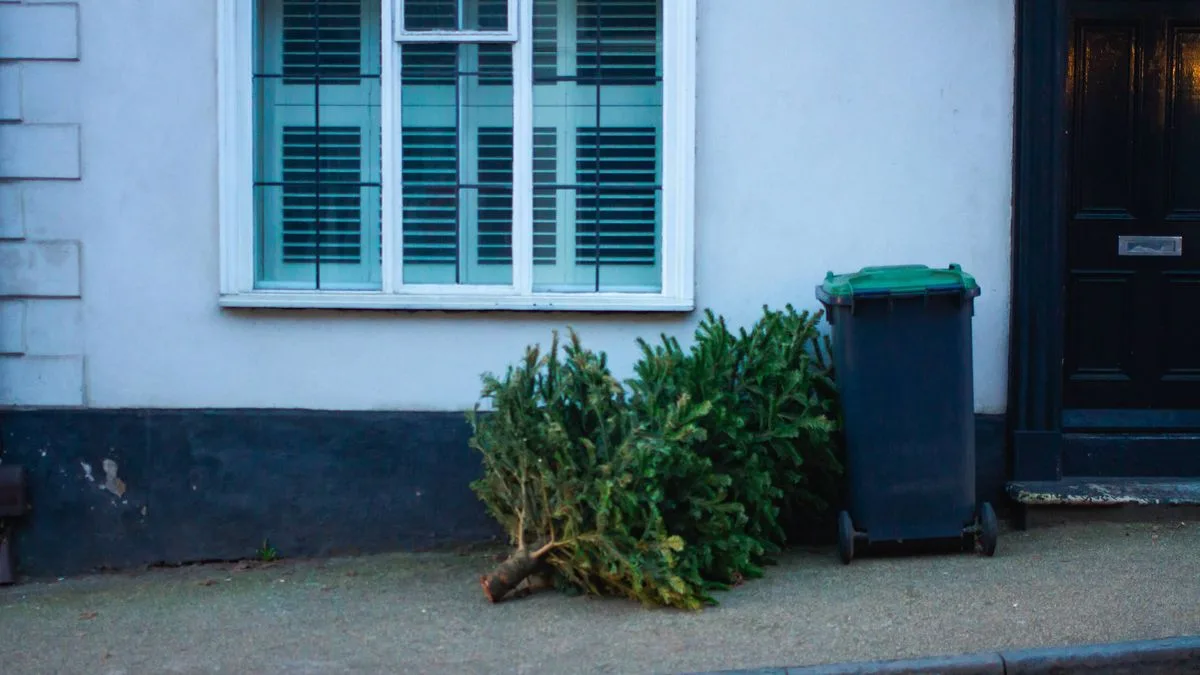
Households across the United Kingdom are being urged to pay close attention to their festive waste disposal this season, with local councils warning that incorrect recycling could lead to fines of up to £200. The Christmas period sees a dramatic surge in rubbish, making proper sorting more critical than ever.
The Staggering Scale of Festive Waste
Recent statistics paint a sobering picture of Christmas excess. Every year, the UK discards between 227,000 and 277,000 miles of wrapping paper – enough to stretch around the planet multiple times. An estimated 17.2 million Brussels sprouts and around two million turkeys are thrown away, equating to millions of wasted Christmas dinners.
The environmental cost extends to greetings. With a single tree producing only enough paper for roughly 3,000 cards, the disposal of one billion Christmas cards results in the loss of approximately 33 million trees. Many of these cards cannot be recycled due to contaminants like glitter, foil, and plastic coatings.
Your Council's Festive Recycling Rules
It is vital to check your local authority's specific guidelines, as collection schedules often change over the holidays and rules vary by region. Placing bins out on the wrong day or overfilling them can trigger penalties.
Here is a breakdown of how to handle common festive items:
- Wrapping Paper: Use the 'Scrunch Test'. If it stays scrunched, it's likely recyclable (if plain). Remove all tape, ribbons, and bows first. Foil or glitter-covered paper must go in general waste.
- Christmas Cards: Only cards without glitter, plastic, or metallic finishes can be recycled. Consider sending e-cards to cut down on paper waste.
- Boxes & Packaging: Flatten cardboard boxes and remove any polystyrene or plastic packaging. Gift bags with rope handles are not recyclable.
- Christmas Trees: Real trees can often be chipped for composting; check with your council for local collection services.
- Decorations: Baubles, tinsel, and glass or plastic ornaments cannot be recycled and belong in your general waste bin.
- Food Waste: Compost at home or use your council's food waste collection service if available.
- Hazardous Items: Never place batteries, old electronics, or electrical items in your regular bins. Use designated e-waste recycling points.
The Cost of Getting It Wrong: Potential Fines
Local authorities are vigilant, and missteps can prove expensive. Placing non-recyclable items in your recycling bin can incur fines typically ranging from £60 to £200.
Leaving overfilled bins or extra bags beside them may lead to charges of up to £150, while putting your bins out on non-collection days can result in penalties of £80 to £100.
More serious offences carry steeper costs. Fly-tipping, which spikes after the holidays, can attract immediate fines from £150 to £400, with prosecution and unlimited fines for severe cases. Incorrect disposal of electronics or batteries also risks fines starting from £50.
How to Have a Greener Christmas
Beyond careful recycling, you can significantly reduce your festive footprint. Opt for reusable or natural decorations, save and reuse wrapping paper and cards for crafts, and choose reusable advent calendars.
With an estimated £4 billion spent on unwanted gifts annually – over 60 million presents – think twice before throwing an unloved item away. Donating to charity, selling, or organising a charity sale are excellent alternatives to sending usable goods to landfill.
By staying informed and making a little extra effort, you can enjoy the festivities while avoiding unnecessary penalties and helping to protect the environment.




