Venice, the iconic Italian city famed for its canals and islands, could one day be accessible solely by submarine if sea levels continue to rise, according to new research. Scientists predict that the Floating City might eventually be submerged entirely, threatening its historical monuments and cultural fabric.
Rising Threats to Venice's Heritage
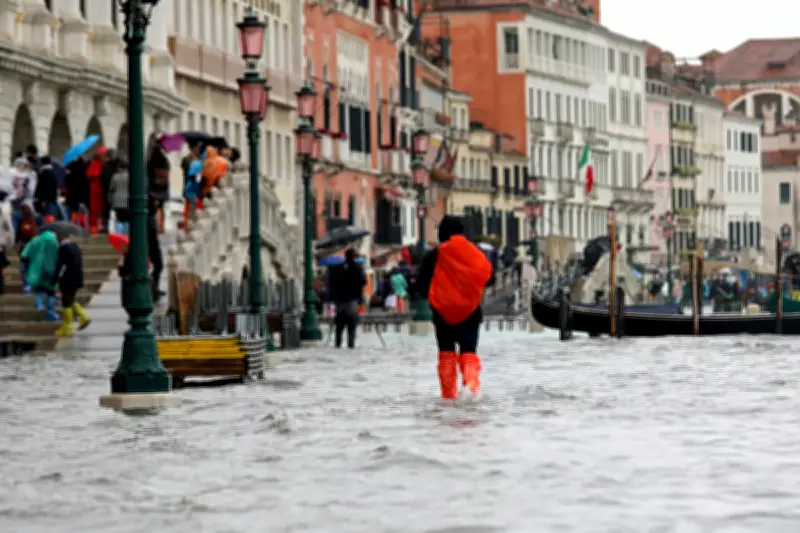
In recent years, Venice has experienced severe flooding, exacerbated by both climate change and overtourism, with visitors and water inundating its streets. A report from the University of Salento, published on 16 April, highlights that projected sea level increases demand "unprecedented" long-term adaptations. These must balance heritage preservation, social wellbeing, and financial costs.
Potential Solutions and Costs
The researchers suggest Venice could deploy large flood barriers to isolate the city from its lagoon or encircle the lagoon with permanent coastal dams. In a worst-case scenario where the city is completely flooded, historical attractions like the Byzantine-style St Mark's Basilica and Gothic Doge's Palace might need to be dismantled and reassembled inland.

While not imminent, extreme sea level rise could become unavoidable by the 22nd century under current climate policies and expected Antarctic ice sheet collapse. The report estimates that relocating monuments could cost up to €100bn (£87bn), with the loss of private properties adding up to €6.5bn (£5.6bn).
Irreversible Losses and Limited Access
Although some monuments could be saved through relocation, the "historical urban fabric, lagoon-based culture, traditional lifestyles, and most economic activities would be irreversibly lost," the paper states. Visitors to the flooded remains would only have limited access by boat and submarine.
Piero Lionello, who led the research, told The Times, "There are things we can do to delay this scenario, but they will not work forever – the future appears unavoidable."
Current Measures and Future Projections
In 2020, Venice introduced the Mose flood barrier system at various lagoon inlets to protect against high tides and mass flooding. Over half the city sits just 80cm to 120cm above mean sea level, making it highly susceptible. By 2100, mean sea levels in Venice could rise by 42cm to 81cm, according to Mr Lionello.
While Mose and other barriers offer long-term aid, the researchers emphasize that rapid action is crucial to avert the worst outcomes. The study underscores the urgent need for global climate action to preserve Venice's unique heritage.