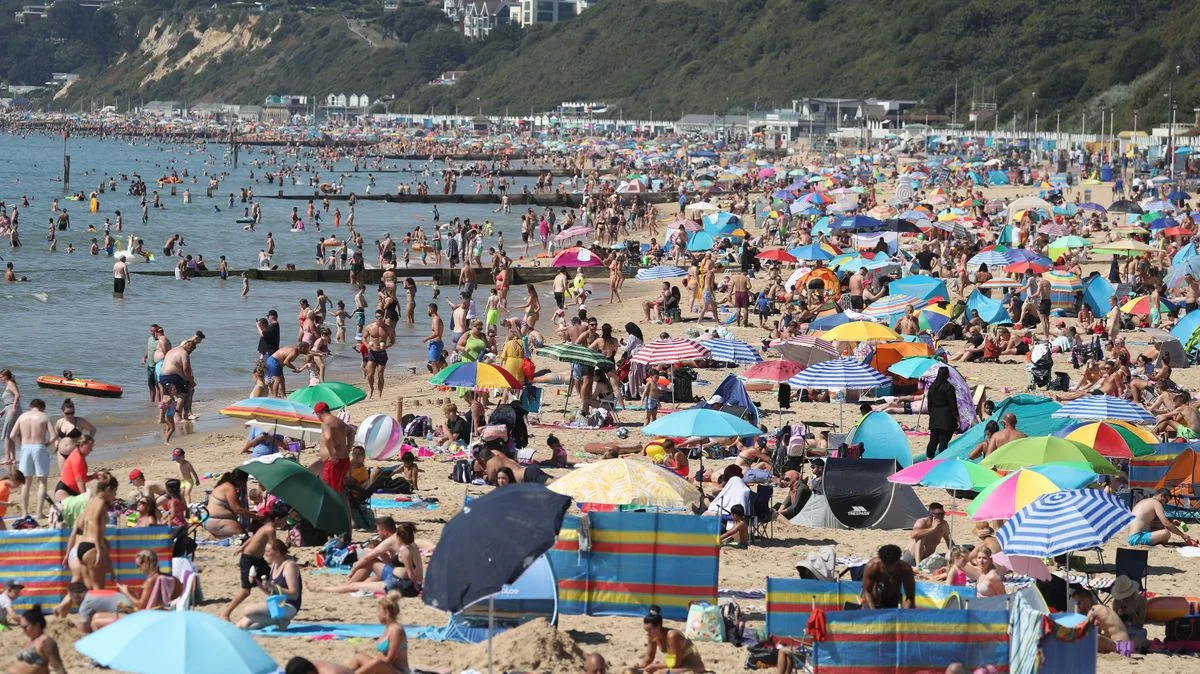
20 English Beaches Deemed 'Poor' for Swimming This Spring
20 English Beaches Rated 'Poor' for Swimming Water Quality

With the arrival of spring and many Britons planning trips to the coastline, the search for ideal swimming spots is underway. However, not all beaches offer equally inviting waters. According to travel site Locals Insider, twenty stretches of English coastline have received a 'poor' classification for water quality, the lowest rating issued by the Department for Environment, Food & Rural Affairs (Defra). This designation means swimming is not recommended at these locations.

The No-Go Beaches Across England

The list of beaches with poor water quality spans from the northeast to the southwest, highlighting ongoing environmental challenges. Here is a detailed overview of the affected areas.

Northern and Yorkshire Coasts

Littlehaven Beach, Gateshead: Located in South Shields, this beach was newly designated as a swimming water site only in 2024, so its low rating is not unexpected. Local councillor Ernest Gibson, lead member for neighbourhoods and climate change, stated that improvements are underway but will take several years to achieve desired standards.

Wide Pickt banner — collaborative shopping lists app for Telegram, phone mockup with grocery list

Cullercoats Bay, Gateshead: This beach has consistently received the lowest possible rating since 2018, with contaminated groundwater suspected as a primary cause. Northumbrian Water has initiated borehole drilling to identify pollution sources.

Scarborough South Bay, North Yorkshire: A beloved seaside destination, this bay has struggled with water quality for years due to multiple pollution sources, including sewage, seabirds, dogs, agriculture, local industry, and harbour activities.

Eastern and Southeastern Shores

Clacton (Groyne 41), Essex: Near the pier in Clacton-on-Sea, this beach has been criticized for poor water quality, with EssexLive dubbing it Essex's worst beach. Swimming is currently advised against.

Littlestone and Dymchurch, Kent: Both beaches in Kent have made the list, with visitors expressing concerns over disgusting water and sewage dumping. Folkestone and Hythe District Council confirms that bathing is not advised due to poor cleanliness, though the areas remain popular for their classic British charm.

Southern and Southwestern Beaches

Worthing Beach House, West Sussex: While other parts of Worthing's coastline, like Goring Beach, are suitable for swimming, Worthing Beach House suffers from poor water quality, particularly affected by surface water and urban drainage during heavy rainfall.

Bognor Regis (Aldwick), West Sussex: Named one of Britain's worst seaside resorts by Which?, Aldwick beach has been classified as poor since 2022, with surface water drainage suspected as a significant contamination source.

Southsea East, Portsmouth: A popular beach for activities like kite flying and picnics, the water between the Pyramids and South Parade Pier is rated poor, with warning signs advising against swimming.

Lyme Regis Church Cliff Beach, Dorset: This beach has faced issues with litter and sewage debris over the past decade. DNA analysis indicates human-origin contamination from the River Lim, with ongoing efforts by South West Water to address the problem.

Coastguards Beach, Erme Estuary, Devon: One of only three poor-rated swimming waters in Devon and Cornwall, campaigns have been launched to protect the water, but the rating remains unchanged.

Instow and Ilfracombe Wildersmouth, Devon: Instow visitors are advised against swimming, with complaints about dog waste and contamination. Ilfracombe Wildersmouth often appears on lists of coastal areas with high bacteria levels, receiving negative reviews for its unattractive sand and rocky outcrops.

Southwestern and Northwestern Locations

Dunster Beach, Blue Anchor West, Burnham Jetty North, Weston-super-Mare Uphill Slipway, and Weston Main, Somerset: These Somerset beaches are frequently cited among the UK's dirtiest. Dunster Beach had 60 pollution risk warnings in 2025, while Blue Anchor West is a newcomer to poor ratings. Burnham Jetty North is no longer designated as bathing water, with permanent advice against swimming. Weston-super-Mare areas suffer from issues like seagull contamination and litter, with multiple pollution warnings issued.

Pickt after-article banner — collaborative shopping lists app with family illustration

Blackpool North, Blackpool: Opposite Blackpool Tower, this sandy beach has a poor rating, with 50 pollution risk warnings in 2025. The Environment Agency notes that bacteria levels can take days to normalize after pollution events.

Haverigg, Cumbria: A gently sloping gravel and sandy beach, Haverigg rounds out the list with 41 pollution risk warnings in 2025 and litter present on half of Environment Agency visits.

Context and Recommendations

Martin Danemaq, a spokesperson for Locals Insider, emphasized that while 20 beaches are unsuitable for swimming, this represents only a small fraction of the 400 official bathing spots nationwide. He advised beachgoers to check water quality advisories when planning trips, noting that hundreds of other options remain available for safe swimming.

The Environment Agency continues to monitor these sites, working with local authorities and water companies to address pollution sources. However, improvements often require long-term efforts, as seen in cases like Littlehaven Beach, where changes may take years to materialize.

For those seeking coastal enjoyment this spring, it is crucial to stay informed about water quality ratings to ensure a safe and pleasant experience.




