Urgent Warning for Gardeners as Invasive Bluebells Threaten Native Species
Gardeners throughout the United Kingdom are being issued an urgent warning to inspect their gardens, as invasive Spanish bluebells are spreading rapidly and posing a significant threat to the nation's native bluebell populations. Plant experts from GardeningExpress.co.uk have highlighted that many homeowners may already have these invasive plants growing unnoticed in their gardens, where they can quickly dominate and outcompete the cherished English bluebells.
The Growing Threat to Native Bluebells
Originally introduced as ornamental garden plants, Spanish bluebells have become one of the most serious threats to native varieties due to their aggressive spreading capabilities. These invasive plants grow at a faster rate, produce a greater number of seeds, and easily hybridise with native bluebells, creating crossbreeds that dilute the genetic integrity of the UK's iconic woodland flower. Native bluebells are a protected species and a vital component of the UK's natural heritage, yet once Spanish bluebells escape garden boundaries, they can infiltrate nearby countryside and woodlands, making domestic gardens a critical frontline in the battle to preserve native species.
Identifying the Invasive Intruder
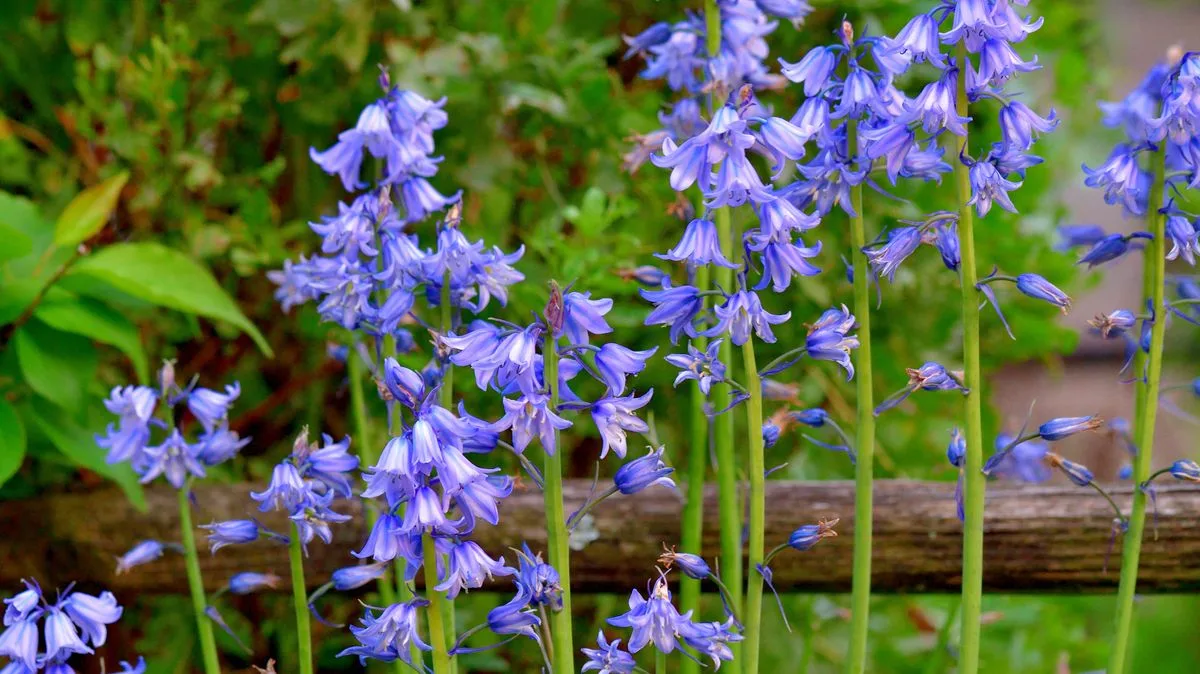
With bluebell season now underway, homeowners are encouraged to learn how to distinguish Spanish bluebells from their native counterparts. Spanish bluebells typically grow in an upright manner, with flowers arranged all around the stem, whereas native bluebells droop elegantly to one side in a characteristic curved shape. In terms of colour, Spanish varieties often appear in pale blue or lilac hues, and can sometimes manifest as pink or white, while native bluebells are usually a deep, rich violet-blue. Additional distinguishing features include scent and foliage; native bluebells emit a strong, sweet fragrance, whereas Spanish bluebells have little to no scent, and their leaves are broader and thicker compared to the narrow leaves of native plants.
Legal Status and Expert Insights
Interestingly, Spanish bluebells are not currently listed on the government's official register of invasive plants in England and Wales. However, they are classified as an invasive non-native plant in Northern Ireland and the Republic of Ireland, and in Scotland, it is an offence to plant any non-native species in the wild. Chris Bonnett, a plant expert and founder of Gardening Express, emphasised the urgency of the situation: "Spanish bluebells can spread more easily than our native species, so gardeners need to be aware of how quickly they can multiply. The biggest risk originates from gardens, where they may be planted for their aesthetic appeal but can spread beyond boundaries through seeds, bulbs, and garden waste if left unchecked."
Practical Steps for Gardeners
Gardeners play a pivotal role in safeguarding native bluebells. Even a small population in a single garden can establish itself in surrounding areas within a few years, making early identification and careful management essential. Here are five practical tips to help homeowners control Spanish bluebells in their gardens:
- Dig up bulbs carefully: Spanish bluebells spread through underground bulbs, so removing the entire bulb is crucial for effective control.
- Dispose of plants properly: Never compost them or discard garden waste in the countryside. Instead, bag the plants and dispose of them via general waste.
- Avoid planting or sharing bulbs: Even giving bulbs to friends or neighbours can inadvertently spread the invasive species further afield.
- Monitor your garden each spring: New plants can regrow from missed bulbs or seeds, so regular checks are necessary.
- Choose native alternatives: Opt for planting native bluebells or other UK-friendly spring flowers to support local biodiversity.
By taking these proactive measures, gardeners can contribute significantly to the conservation of the UK's native bluebell populations and help mitigate the spread of this invasive threat.