While many of us curse the bitter cold, a walk across the iron-hard ground of a winter moor reveals a hidden world of vital, almost magical, benefits. On Blacka Moor in South Yorkshire, the recent sustained freeze has transformed the landscape, offering a rare glimpse into the critical role frozen earth plays in sustaining life on our planet.
A Landscape Transformed by Frost
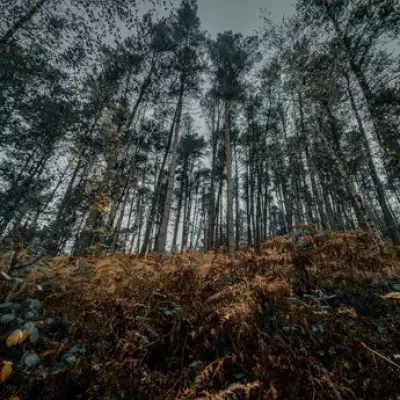
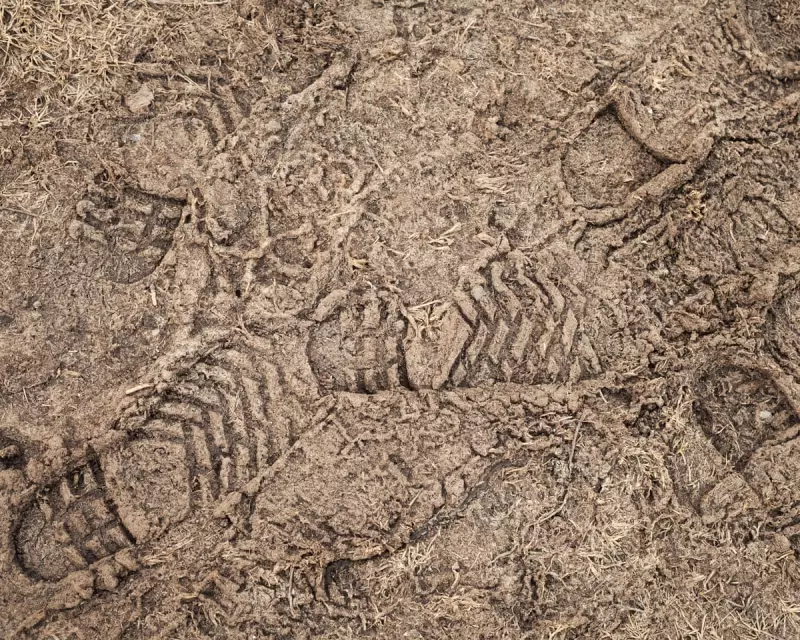
In a familiar spot at the moor's edge, a knot of birch trees stands sentinel over earth that is usually a peaty, boot-sucking gloop. For over a week, with daytime temperatures stubbornly at or below freezing, that same ground has been solid. This liberating hardness allows one to walk freely, a simple pleasure that underscores a deeper truth. The frost has acted as a natural time capsule, perfectly preserving the footprints of red deer and walkers from days past, a silent record of recent life.
The Unseen Universe Beneath Our Feet
Beyond this surface magic lies the truly profound impact of freezing temperatures on the soil itself. While gardeners appreciate a hard frost for breaking up clods and tackling pathogens, this is merely the surface of a vastly complex story. A single handful of soil is a teeming metropolis, containing billions of single-cell organisms from tens of thousands of species, alongside fungal networks that would stretch for kilometres if laid end to end. This entire, hidden ecosystem is fundamental; if it were to collapse, human life would swiftly follow.

A Silent Crisis in the Soil
Tragically, this vital microbial world is under threat. The fingerprints of climate change are not only seen in unseasonal blooms but in the invisible degradation of soil biodiversity. Rising temperatures are actively reducing the diversity of bacteria within the earth, a process far more ominous than any early flower. It is a stark indictment that humanity knows more about how frozen ground affects engineering projects than its role in sustaining the planet's microbiome.
So, the next time you tread on frost-hardened ground, consider it a cause for celebration. That crisp, unyielding surface is a sign of a natural process working as it should. In an era of warming winters, we need the cleansing, structuring power of the cold far more than we realise. The frozen soil is not an inconvenience; it is a foundation of life itself.