4.9-Metre Crocodile Removed from Wangi Falls, Litchfield Park Closed
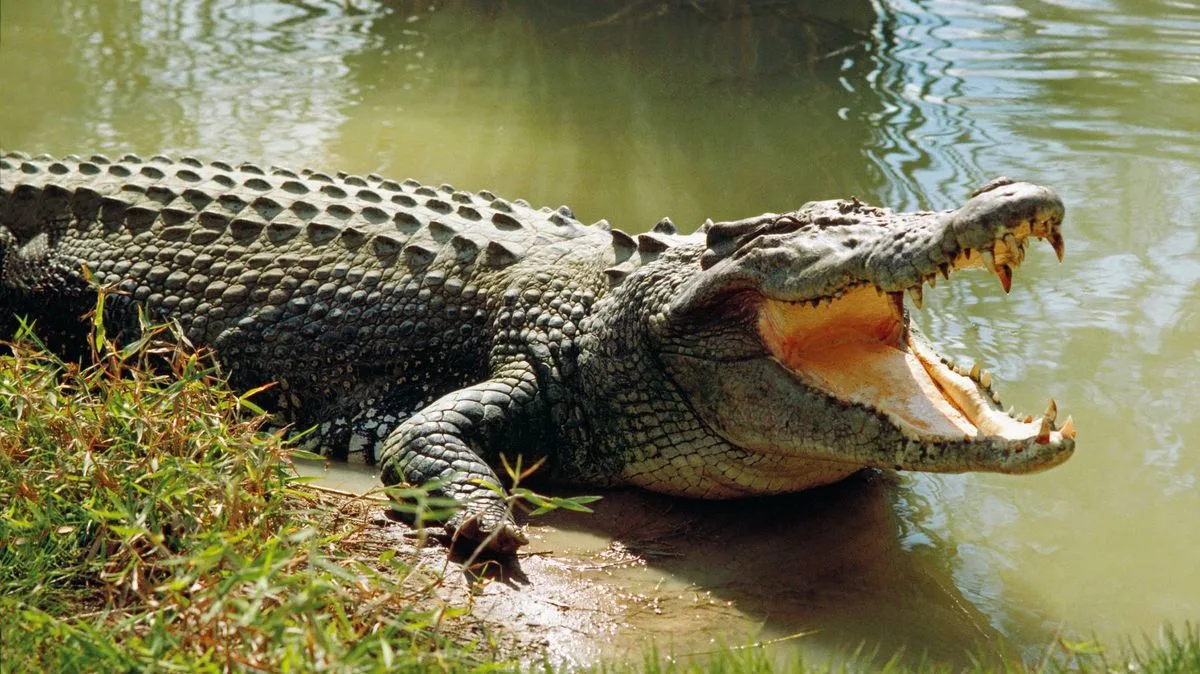
Massive 4.9m crocodile captured at Wangi Falls, NT

A popular tourist swimming hole in Australia's Northern Territory has been the scene of a dramatic wildlife capture, forcing a stark safety reassessment for visitors. A massive 4.9-metre saltwater crocodile was removed from Wangi Falls in Litchfield National Park on Monday, January 5, 2026, after it was deemed a serious public threat.

A Stark Wet Season Warning

The capture was highlighted by local wildlife guide Damian 'Wildman' Duffy, who used the incident to issue a urgent plea for caution. "In the wet season, many swimming holes close due to the increased risk of the presence of Saltwater Crocodiles," Mr Duffy confirmed in a Facebook post. He urged the public: "Please don't risk your life, legends. It's just not worth the risk."

While stressing the danger, Duffy also expressed sympathy for the animal, noting it was "simply doing what comes naturally." He hoped the "big boy" would be relocated to a safe place to live out its days, stating the crocodile had "more than earned the right to life at his size."

The warning was echoed by Northern Territory Education Minister Jo Hersey, who posted on social media calling it "a timely reminder to be wary around creeks and waterholes this wet season."

Heightened Crocodile Activity Across the Top End

This capture is not an isolated event. NT Parks and Wildlife rangers have averaged one crocodile capture per day in the first week of 2026 alone, indicating significantly heightened activity. The Wangi Falls reptile was one of two crocodiles measuring over four metres removed from the Litchfield area within days.

Sam Hyson, Acting Director of Wildlife Operations, told ABC News the 4.9-metre animal was "one of the larger ones caught in Litchfield for some time" and the largest for the year so far. The incident follows a busy 2025, where 241 crocodiles were captured across the Territory, most from Darwin Harbour, showing management zones are intercepting animals moving toward populated areas.

Authorities are ramping up detection efforts, partnering with Charles Darwin University to trial new technologies like environmental DNA monitoring, AI, and underwater cameras.

Park Closure and Cultural Significance

As a direct result of the capture and ongoing risk, Litchfield National Park remains closed. It will only reopen after the wet season ends and comprehensive crocodile surveys are completed, expected around May 2026.

This closure impacts access to the park's renowned attractions, including crystal-clear plunge pools, waterfalls, and ancient landscapes. The land holds deep cultural significance for the Koongurrukun, Mak Mak Marranunggu, Werat and Warray Aboriginal peoples.

The message from authorities, guides, and locals is unequivocal. When visiting the Top End, the fundamental rule is clear: if signage warns against swimming, heed the warning. The presence of a powerful predator like a saltwater crocodile transforms a serene spot into a zone of serious danger.