NSW Coalmine Extension Approved Despite Climate Target Warnings
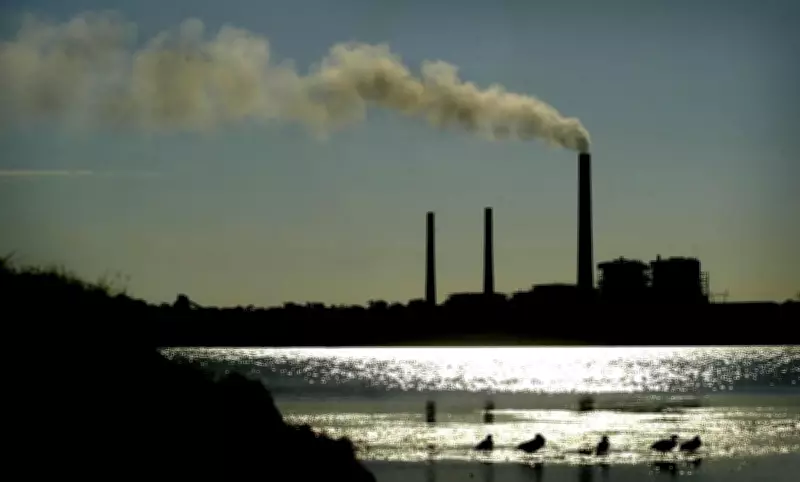
The Independent Planning Commission (IPC) in New South Wales has approved a two-year extension for Delta Electricity's Chain Valley colliery, an underground coalmine located in the Lake Macquarie region. This decision comes despite explicit warnings from climate agencies that such expansions jeopardise the state's legislated emissions reduction targets.
Controversial Approval Amid Energy Transition
The commission argued that the extension is necessary to ensure reliable baseload electricity supply as NSW transitions to renewable energy sources. However, it imposed a strict condition: the coal produced must not be transported for export or any domestic use beyond supplying the Vales Point power station, which is also operated by Delta Electricity. In its statement of reasons, the IPC noted that the two-year period represents "the outer limit of what can reasonably be justified in NSW's policy context of working towards decarbonisation."
This project marks the first coalmine development assessed by the commission since the Minns government took office and the passage of the Climate Change Act, which enshrines targets of 50% emissions reduction by 2030, 70% by 2035, and net zero by 2050. A report from the NSW Net Zero Commission last year warned that continued coalmine expansions are incompatible with this legislation.

Legal and Environmental Challenges Loom
The Greens have strongly criticised the decision, with climate spokesperson Sue Higginson warning that it could face legal challenges. She stated, "The state's top legal minds are clear that any new coal is inconsistent with the current law, it is therefore highly likely that if tested this coal approval would be declared unlawful." Higginson added that environmental defenders are likely considering court action to uphold climate laws, emphasising that NSW is currently overshooting its 2030 emissions target.
Activist group Lock the Gate Alliance highlighted that the export ban sets a significant precedent for upcoming mine assessments, including major projects like Glencore and Yancoal's Hunter Valley Operations expansion. Nic Clyde, NSW coordinator for the alliance, said, "This is an important step and reflects the growing pressure on decision makers to take the climate impacts from coalmining seriously."
Delta Electricity's Response and Justifications
Delta Electricity welcomed the approval, stating it supports hundreds of local mining jobs and ensures a secure coal supply for Vales Point Power Station, which provides about 50% of the station's coal needs. A company spokesperson said, "The mine supplies coal exclusively to Vales Point Power Station, providing about 50% of the power station's coal needs. It plays an important role in supporting reliable electricity generation and system stability in NSW during the energy transition." They also mentioned commitments to mitigate emissions from extraction and production.
The commission considered various community and expert concerns, including air quality, traffic, subsidence, biodiversity, water quality, energy security, economic impacts, and greenhouse gas emissions. It concluded that the time-limited approval aligns with NSW's decarbonisation strategy and 2030 targets, as operations are set to cease by December 31, 2029, before the 2030 deadline.