Creating a vibrant garden teeming with wildlife and beneficial insects can often feel like a daunting challenge for many gardeners. However, there is one remarkable plant that promises to transform your outdoor space into a bustling hub for pollinators throughout the summer months. While lavender has long been celebrated as a favourite in British gardens, experts are now highlighting a superior alternative that stands the test of time.
The Unrivalled Appeal of Verbena
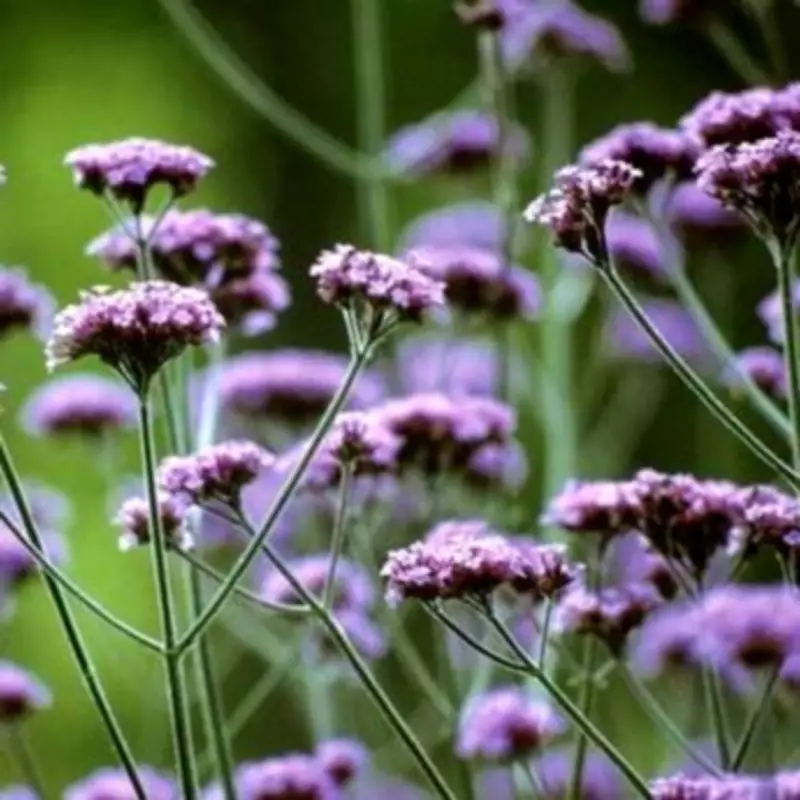
Verbenas are classic bedding and border plants renowned for their colourful, abundant flowers that bloom continuously for months on end. According to the Royal Horticultural Society (RHS), these flowers act as a powerful "magnet" for a wide array of pollinating insects, including bees, butterflies, and hoverflies. This makes verbena an exceptional choice for anyone looking to support local ecosystems while enhancing their garden's beauty.
Why Verbena Outshines Lavender
While lavender remains a popular option, verbena offers distinct advantages that make it particularly effective for attracting wildlife. One of its key benefits is its extended flowering period, which typically spans from early summer well into autumn. This provides insects with a consistent and reliable food source at times when other plants may begin to fade, ensuring your garden remains a sanctuary for pollinators throughout the season.

Verbena is incredibly versatile and thrives in various settings, including traditional gardens, wildlife-friendly spaces, borders, and containers. Its adaptability means that whether you have a sprawling garden or a compact balcony, you can enjoy the benefits of this pollinator-friendly plant.
Essential Care Tips for Thriving Verbena
Maintaining verbena is relatively straightforward, but adhering to a few key conditions will help it flourish. The plant absolutely loves sunlight and generally requires at least six to eight hours of direct exposure each day. More sun directly translates to more flowers, which in turn attracts a greater number of pollinators to your garden.
Verbena prefers well-draining soil and, once established, demonstrates considerable drought tolerance. It is crucial to water the plant regularly during its early stages, but caution should be exercised to avoid overwatering once it matures. Gardeners should also deadhead the flowers as needed, though most varieties will continue to bloom with minimal intervention.
For those growing verbena in containers or hanging baskets, the RHS recommends regular fertilisation to sustain flowering. While potting compost usually contains sufficient nutrients for the first month, applying a potassium-rich liquid feed, such as tomato fertiliser, thereafter can significantly encourage ongoing blooms.
Creating a Pollinator Paradise
To maximise the appeal of your garden to bees and butterflies, consider pairing verbena with other nectar-rich plants. Excellent companions include buddleja, commonly known as the butterfly bush, along with cosmos, salvia, echinacea, and even traditional lavender. This diverse planting strategy ensures a continuous supply of food for pollinators and creates a visually stunning, ecologically supportive environment.
With its prolonged blooming season, ease of care, and exceptional ability to attract vital insects, verbena emerges as the ultimate plant for summer gardens. By incorporating this resilient and beautiful species, gardeners can play a pivotal role in supporting local wildlife while enjoying a colourful, dynamic outdoor space all season long.