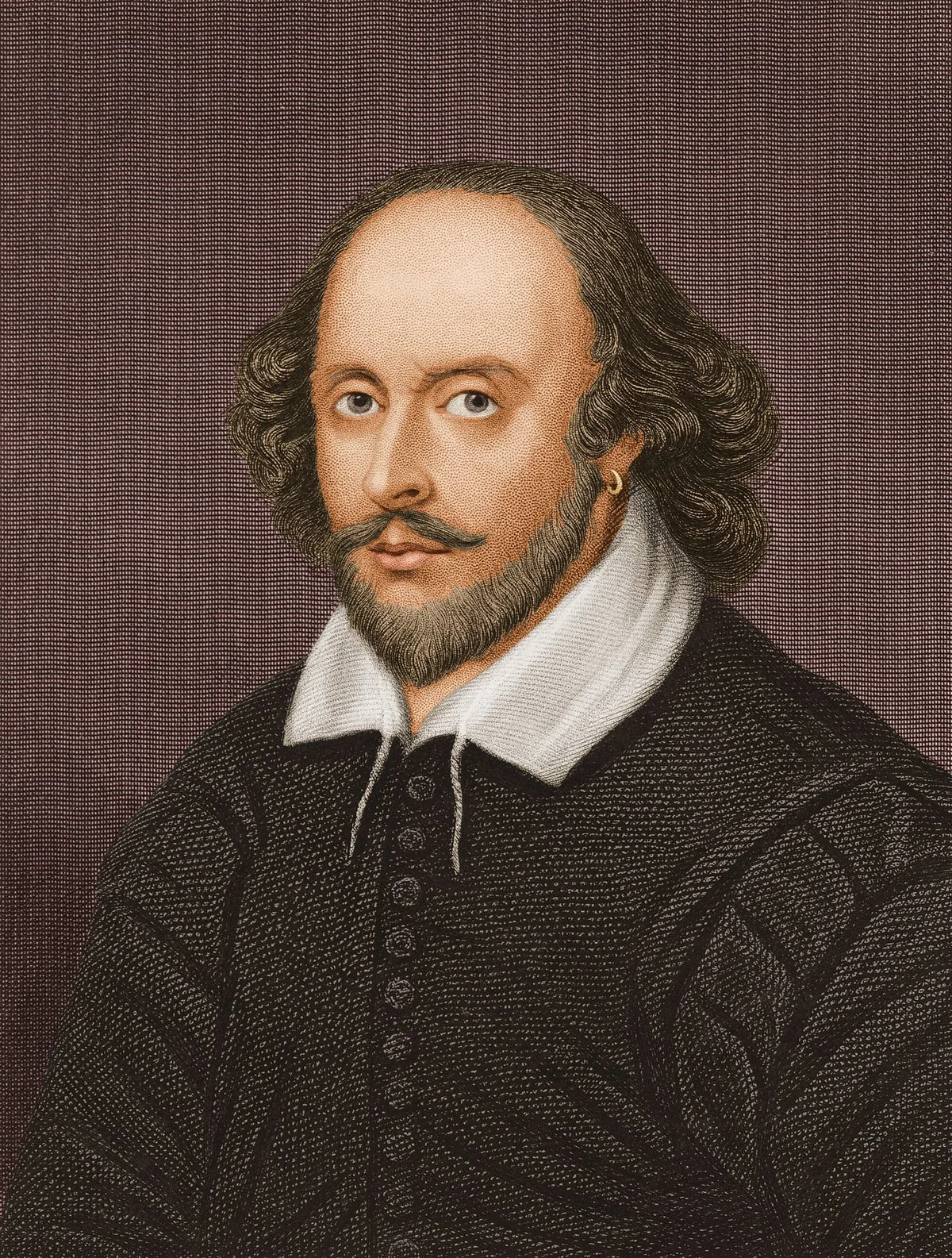
New Book Claims Shakespeare Was Actually Black Jewish Woman Emilia Bassano
Shakespeare 'Was Black Jewish Woman' Claims New Book

A provocative new book has ignited fresh debate about the true identity of William Shakespeare, claiming the legendary playwright was actually a "black Jewish woman" named Emilia Bassano whose work was stolen by an uneducated man from Stratford-upon-Avon.

The Real Shakespeare Controversy

In The Real Shakespeare, feminist historian and LSE graduate Irene Coslet presents a radical reinterpretation of literary history. She identifies the historical figure Emilia Bassano as the true author behind the Shakespearean canon, arguing that Bassano used "Shakespeare" as a pen name while her work was appropriated by William Shakespeare of Stratford.

Emilia Bassano's Background and Connections

Bassano was a published poet with significant connections to the Tudor court, serving as mistress to Henry Carey, 1st Baron Hunsdon. Carey held the influential position of Elizabeth I's Lord Chamberlain and patronised the Lord Chamberlain's Men, the very theatre troupe that Shakespeare made famous. Some literary analysts have previously suggested Bassano might be the inspiration for the mysterious "Dark Lady" addressed in Shakespeare's sonnets.

Coslet's central argument maintains that Renaissance society preferred the idea of a "white" male genius over acknowledging Bassano's identity as a black female playwright of Jewish heritage. The historian told The Telegraph that recognising Shakespeare as "a female of colour" would fundamentally reshape our understanding of historical narratives about peace, justice, and women's contributions to civilisation.

Questioning the Stratford Narrative

During Shakespeare's lifetime, his authorship was never seriously questioned, with contemporaries like rival Ben Jonson hailing him as a genius "for all time." However, the playwright's background as a relatively humble man from Warwickshire with limited formal education has long puzzled scholars. Coslet addresses this directly, writing: "Historians have not managed to explain how the Stratford man, a semi-illiterate moneylender, managed to gain such a level of erudition."

In contrast, Coslet claims Bassano acquired her extensive knowledge through her "diverse identity" as both Jewish and Moorish—a person of North African origin with Venetian family connections. The author goes further to position Bassano as the "mother of a civilisation" within the English-speaking world.

Historical Portraits and Representation

While acknowledging that existing portraits depict Bassano with light skin, Coslet's book suggests these representations may have been deliberately altered to conform to contemporary beauty standards, potentially obscuring her true appearance and heritage.

Growing Trend of Alternative Authorship Theories

This is not the first time alternative Shakespeare authorship theories have gained attention. American author Jodi Picoult similarly argued in her 2024 novel By Any Other Name that Bassano—recognised as the first woman in England to publish a book of original poetry—was the genuine Bard. Picoult's fictional account suggests Shakespeare "sold his name to people who wanted to hide themselves as writers."

Other theories have proposed that fellow playwright Christopher Marlowe might have contributed to Shakespeare's substantial body of work. However, the academic consensus continues to support the traditional narrative: William Shakespeare was born in Stratford in 1564 to a glove-maker, attended the local grammar school, married Anne Hathaway at eighteen, established himself in London's theatre scene by 1592, and died in 1616—nearly three decades before Bassano's death.

Coslet's work raises profound questions about historical erasure and representation: "What if women had a pivotal role and a civilising impact in history, but they have been silenced, belittled and erased from the dominant narrative?" The debate continues as this new theory challenges centuries of established literary scholarship.