
Electric Van Transition Faces UK Headwinds Despite Fleet Success Stories
Navigating a fully loaded electric van around a training facility in Bishop's Stortford reveals surprising agility, with immediate acceleration that masks the substantial weight of onboard equipment. The experience proved almost too responsive during a recent demonstration, as proximity sensors urgently alerted the driver to a near-miss with surrounding infrastructure.
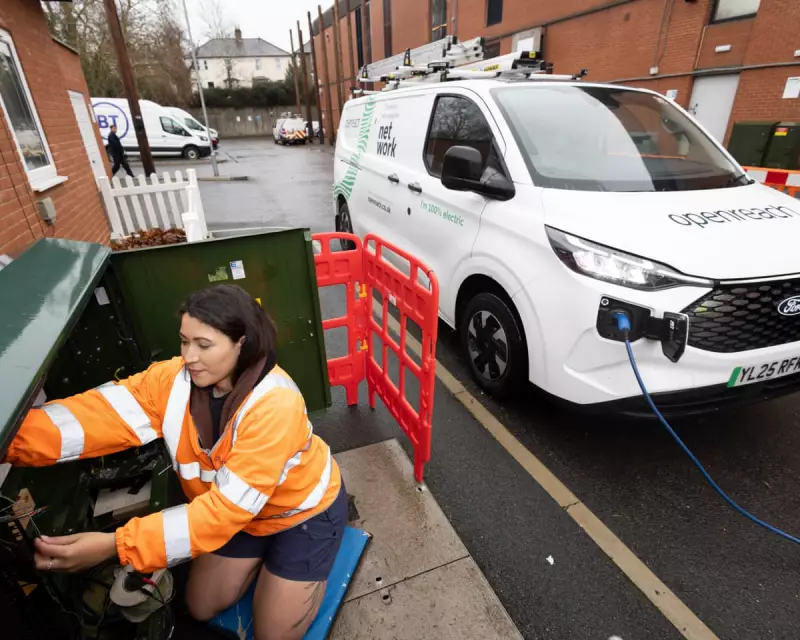
The vehicle in question forms part of Openreach's expanding electric fleet. As BT's fibre broadband subsidiary, Openreach now operates 6,000 electric vans within its 23,400-strong commercial fleet – Britain's second largest – with plans to introduce an additional 1,000 by March. This transition from polluting diesel engines represents a crucial component in national efforts to reduce transport emissions, with vans accounting for 18 million tonnes or 12% of transport-related carbon output in 2023.
Sales Targets Versus Market Reality
Despite progress among major operators, nationwide electric van sales continue to lag behind governmental expectations. Under the Zero-Emission Vehicle (ZEV) mandate, manufacturers were expected to achieve 16% electric van sales in 2025, yet actual figures reached only 9.5%. This shortfall occurred alongside a 10% contraction in the overall van market, sparking debates between manufacturers and large-scale purchasers regarding transition timelines.
Judy O'Keefe, Openreach's Director of Fleet, emphasised the operational benefits observed within their electric vehicle programme. "They are way more reliable," she noted, highlighting significant reductions in roadside breakdowns that previously incurred costs of approximately £500 per incident. "Long term, the EV is the right way to go in terms of maintenance and servicing alone."
Corporate Adoption and Practical Challenges
For some large organisations, the transition presents clear advantages. Royal Mail, operating the UK's largest commercial fleet with around 43,000 vehicles, benefits from predictable daily routes and overnight depot charging. The company has deployed 8,000 mid-sized electric vans alongside new micro-electric vehicles and heavy electric lorries, potentially enabling zero-emission parcel delivery across entire journeys.
Financial incentives drive corporate adoption. A 2024 Centre for Economics and Business Research study indicated European sole traders could save approximately €14,000 (£12,200) over three years compared to diesel equivalents. While upfront costs remain higher – with electric models like the E-Transit Custom starting at £43,630 versus £33,750 for basic diesel versions – bulk purchasing power enables large fleets to negotiate discounts up to 25% off list prices.
Nevertheless, practical obstacles persist. Charging infrastructure limitations particularly affect drivers dependent on public networks. Openreach addresses this through home charger installations for employees and strategic partnerships allowing daytime use of other companies' depot facilities. Bulk charging agreements further reduce costs for engineers requiring public charging during work hours.
Regulatory Complexities and Industry Perspectives
The ZEV mandate incorporates regulatory flexibilities allowing manufacturers to accumulate credits through various mechanisms, including emissions reductions in conventional vehicles and future electric sales increases. Thinktank New Automotive estimates the effective 2025 target was closer to 9.35%, suggesting manufacturers might avoid non-compliance penalties despite missing headline figures.
Industry representatives express concern about market readiness. Eurig Druce, UK Group Managing Director for Stellantis – the only remaining van manufacturer in Britain – described regulatory calculations as "almost makes running the business a game." He warned that without policy adjustments, the UK risks undermining manufacturing investment, stating "The market is not willing to follow. The consumers do not follow at the rate of the trajectory."
Conversely, sustainability advocates highlight growing corporate demand. Dominic Phinn of the Climate Group's EV100 campaign noted members including Tesco, Centrica, Lloyds Banking Group, and Next "can't get enough" of electric vans, characterising industry resistance as "another attempt by the automotive sector to slow things down."
Driving Experience and Future Outlook
For frontline operators, electric vans demonstrate clear advantages. Openreach engineer Jordane Roach reflected widespread driver satisfaction, stating "This is so much easier to drive. It's so much better. I'd never go back to a diesel."
As regulatory targets escalate – reaching 24% in 2026 and 70% by 2030 before the 2035 ban on new petrol and diesel vans – the secondhand market will gradually provide more affordable electric options for smaller operators. Meanwhile, manufacturers face margin pressures, with most reportedly earning less profit on electric van sales than diesel equivalents according to industry analysts.
Abby Chicken, Openreach's Head of Sustainability, summarised the dual motivation for corporate transition: "the business case looks good" alongside the "moral imperative" to reduce carbon emissions. This sentiment captures the complex landscape where environmental objectives, economic practicalities, and technological capabilities intersect across Britain's commercial vehicle sector.




