
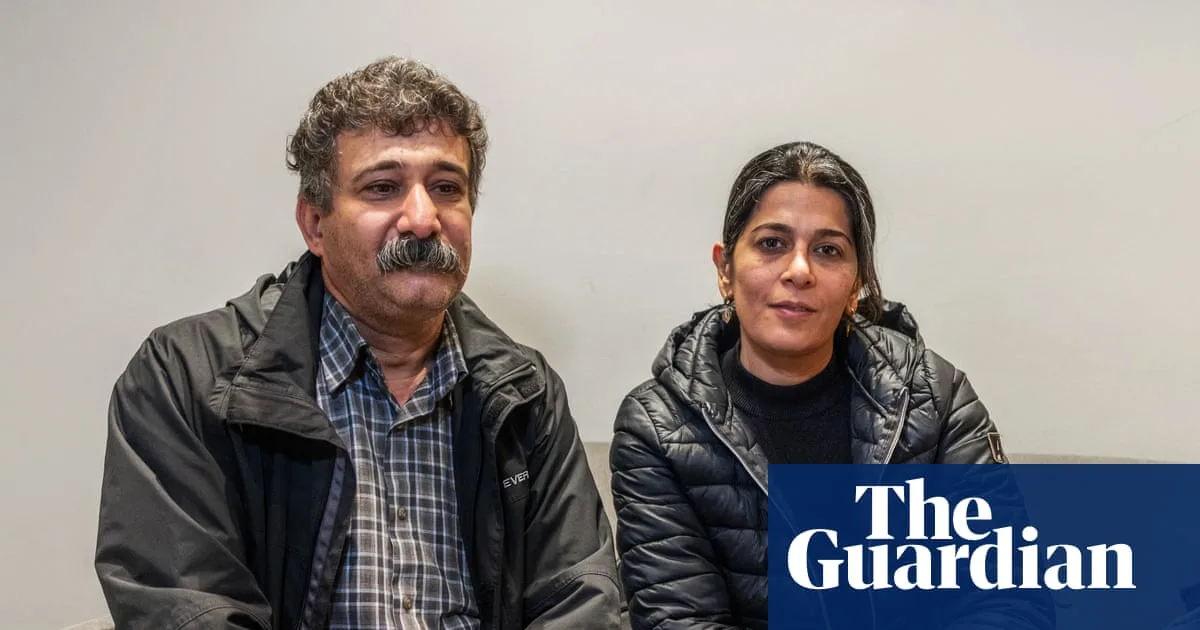
Many asylum seekers who have built lives in Sweden over years are now facing deportation under the country's increasingly strict immigration policies. Sofiye, a 41-year-old mother of three from Uzbekistan, arrived in 2008 and worked for a municipality while her children attended Swedish schools. After four unsuccessful asylum applications, she lost her right to work three years ago and now lives in a return centre near Stockholm's Arlanda airport, under threat of deportation.
“I cannot sleep. I sleep just one or two hours. I throw up. I am so stressed,” Sofiye told the Guardian, holding a plastic bag as she retched. Her 18-year-old son Hamza, studying to be a technician, has never known life outside Sweden. The family is among thousands caught in a system that the centre-right government, backed by the far-right Sweden Democrats, says aims to shift focus from asylum to labour immigration.
Recent policy changes include placing asylum seekers in reception centres instead of individual accommodation, offering repatriation grants for voluntary departure, and tightening citizenship and family reunification rules. Committing a crime can now lead to loss of residency for non-citizens; in 2025, 440 people were deported for criminal offences. The government celebrated the lowest asylum seeker numbers since 1985, arguing lower figures “create better conditions for successful integration”.
This marks a sharp reversal from 2014, when Prime Minister Fredrik Reinfeldt urged Swedes to “open your hearts” to newcomers. Observers say the hardline approach is unlikely to change after next year's election, as even the opposition Social Democrats have adopted similar policies. In 2025, 8,312 people returned to their home countries, the highest in a decade, while asylum applications fell by 30%.
“Many people that we meet say to us: ‘We came to Sweden believing this was a country that respected human rights: where are they?’” said Nannie Sköld, a counsellor at Stockholm Stadsmission's Who Am I Tomorrow? project, which supports families facing deportation. The project provides legal and psychosocial help to individuals who have often lived in Sweden for years, worked, and raised children who are culturally Swedish.




