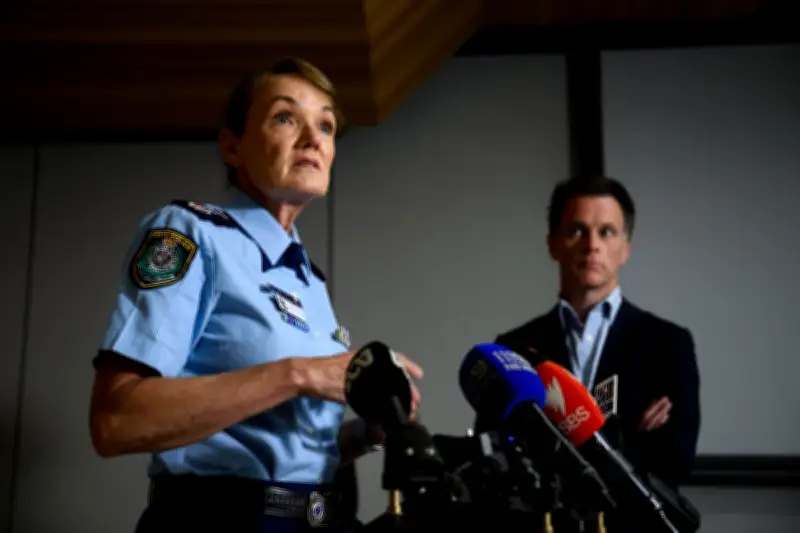
A review commissioned nearly two years ago by former NSW police commissioner Karen Webb has revealed that every female employee who participated experienced or observed “overt or covert harassment, undermining and belittlement” within the force. The scathing report, released Thursday, was undertaken by former Victorian equal opportunity and human rights commissioner Kristen Hilton. It found a rampant culture of bullying, sexual harassment, and discrimination existed, with many who spoke out fearing punishment.
Key Findings of the Review
Hilton wrote that “bullying, incivility, discrimination and victimisation are occurring at unacceptable levels within [the police force] and present systemic risk.” However, some acknowledged improvements over time. The review engaged over 5,000 current and former staff through interviews, surveys, written submissions, and group discussions. It was commissioned after media reports of a “toxic culture” for female staff, including sexual harassment and assault allegations.
Gender Disparity in Leadership
Hilton noted that in over 100 years since women were permitted to serve, there has been only one female commissioner and two female deputy commissioners. “There are currently no women on the commissioner’s executive team. This is not, as was suggested by one leader, because women don’t want the ‘top jobs’, but as a result of decades long social and institutional discrimination,” she wrote.
Barriers for Women and Minorities
Women and minority groups continue to face barriers to recruitment, development, and promotion amid reports of harassment and discrimination. Hilton emphasized that “equity, safety and respect do not emerge organically in policing, they are created, modelled and protected by leaders.” The review found leaders who failed to role-model values, avoided difficult conversations, and did not prioritize staff development, leading to poor morale.
Distrust and Disconnect
The review revealed distrust and disconnect between management and staff. The main reason police left the force was a lack of people-centred management. It noted “outstanding examples of leadership, courage, service and ingenuity” but said they were not consistent. Many frontline officers described disconnect from management, entrenched perceptions of bias and favouritism, harmful behaviours, weak accountability, burnout, fatigue, and outdated systems.
Insular Mindset
An “insular mindset” in parts of the organisation frustrated good ideas and stymied helpful initiatives from local commands that could improve efficiency. Yet, across every rank and command, there are stories of bravery, integrity, ingenuity, and care, along with examples of cultural change, deeper inclusion and diversity, and efforts to build closer community connections.
Increased Pressure on Police
The review found police are now first responders to a “wide spectrum of social, health, and environmental crises, not only criminal activity,” increasing pressure and complexity. NSW police commissioner Mal Lanyon accepted all 29 recommendations, calling the experiences “simply unacceptable.” He said, “It’s very hard to read some of the personal accounts… they are human, they are my officers, I expect them to have a safe and respectful workplace.” Lanyon said NSW police was moving in the right direction but more work is needed.
Government Response
Police minister Yasmin Catley said the government was “taking this very seriously, because it’s the right thing to do.” She added, “We want the NSW police to reflect the community that it serves, and this review goes a lot to making sure that we do that.”