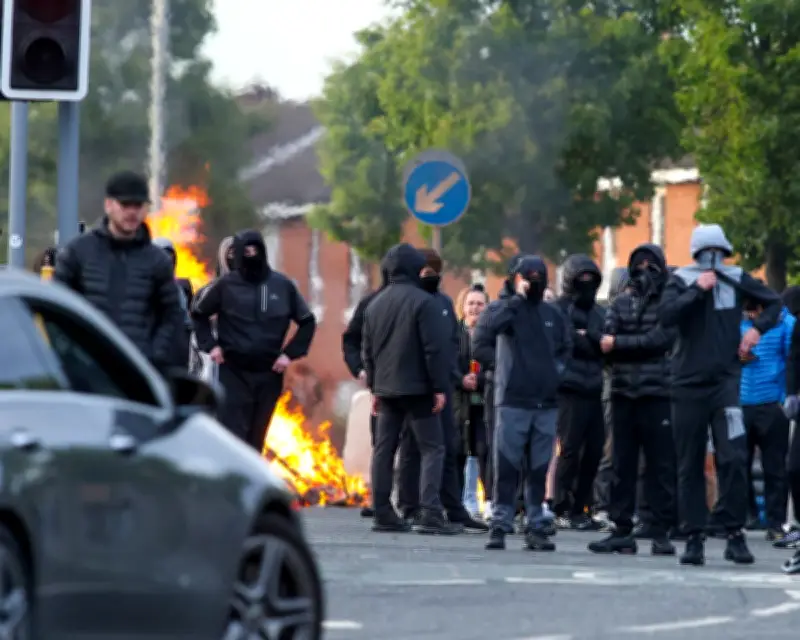
The sight of men and boys in dark clothing and covered faces, posing as defenders of their communities, echoed the Troubles. Within minutes of footage showing a Black man stabbing a white man in Belfast, a sense of inevitability hung over Northern Ireland.
Grievances and Provocation
The grievances, social media platforms, politicians' doublespeak, and international cheerleaders provided a fuse. On Monday night came the spark. The video showed an assailant on a north Belfast street stabbing and slashing his victim in the face and neck, shouting in Arabic. Residents intervened, but Stephen Ogilvie was seriously injured, losing an eye.
On Wednesday, Hadi Alodid, 30, a Sudanese refugee, appeared in Belfast magistrates court charged with attempted murder. The judicial system acted quickly, but the gutted homes of minority ethnic families showed that a warped form of vigilante justice was even faster.
Rioters and Targets
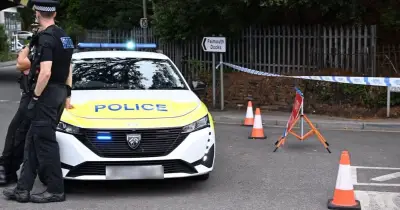
A woman on McMaster Street asked about a scorched ruin. “A Romanian gypsy family in that one,” came the reply. She nodded, as if it made sense that a family should be expelled for a crime committed by a stranger. Hundreds of youths, many masked, prowled streets filled with acrid smoke and police helicopter drones. Rioters burned homes and vehicles, including a Glider bus and a police car.
Social media feeds, elected representatives, and far-right agitators like Elon Musk and Tommy Robinson assured rioters that immigrants and refugees were taking houses, imposing alien customs, and committing crimes while police did nothing. This worldview underpinned Belfast riots in 2024, copycatting England's riots after Southport attacks, and impelled ethnic cleansing of Roma from Ballymena last year.
Crime Rates and Racist Incidents
Northern Ireland's crime rate fell by 3.3% last year to its lowest since 1998, with steep falls in violence. However, racist hate crime and incidents reached their highest level since records began in 2004.
Within hours of the attack, social media crackled with rage. “Enough is enough!” many posted. By 10am Tuesday, activists shared lists of assembly points and times. Businesses were to close at 5.30pm, and from 7pm crowds would close roads. Some posts urged peaceful action, others advised dark clothes and readiness for arrest.
Political Reactions
At midday, five main party leaders issued a joint statement condemning the stabbing and urging restraint. But other statements used loaded language. DUP leader Gavin Robinson called the attack “medieval”. TUV leader Jim Allister asked, “What is going to be done to stop this importation of an alien culture?” From afar, Musk and Robinson (in Moscow) exhorted mass protests.
By 4pm, steel shutters came down over African- and Arab-owned shops. The Belfast Islamic Centre cancelled evening prayers. Crowds gathered at intersections from 6.30pm. Some remained peaceful; others splintered into groups attacking vehicles and homes of dark-skinned people.
Violence and Iconography
“Foreigners out!” some chanted. Others spraypainted “fuck Islam” with crosshairs. By 10pm, smoke plumed over multiple locations. In places, a carnival atmosphere prevailed with selfies and beer. One man hoisted his son to view a burning house: “Get a duke at that.” “Wow,” the boy replied. Outside Belfast, mobs torched targets in Portadown, Dundonald, and Newtownabbey. The fire service received 256 calls and attended 62 incidents.
Northern Ireland's history echoed through the mayhem. In 1969, mobs burned Catholic families from the same streets. “It's the same type of behaviour – driving out people who are the other,” said Peter Shirlow of the University of Liverpool. The Troubles provided the iconography of men in dark clothing and covered faces posing as defenders, though now the enemy has changed. “The majority of Catholics and Protestants agree that immigrants do not make a positive contribution,” Shirlow said. Elements of republicanism monitor xenophobia, but loyalists are fractured, and some unionist leaders stoke cultural invasion.
Kashif Akram of the Belfast Islamic Centre said politicians scapegoat immigrants for housing shortages. “The blame is directed at the most vulnerable.” Patrick Corrigan of Amnesty International said this was the third consecutive summer of organised racist violence, each more serious. “It did not emerge in a vacuum.” On Tuesday night, a teenage boy on Newtownards Road, inspecting a burned bus, looked perplexed when asked why peers were rioting. “If they don't do it, who will?”