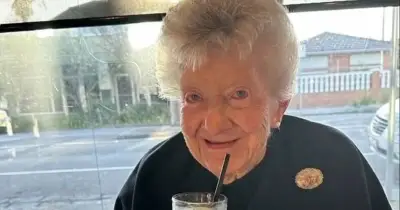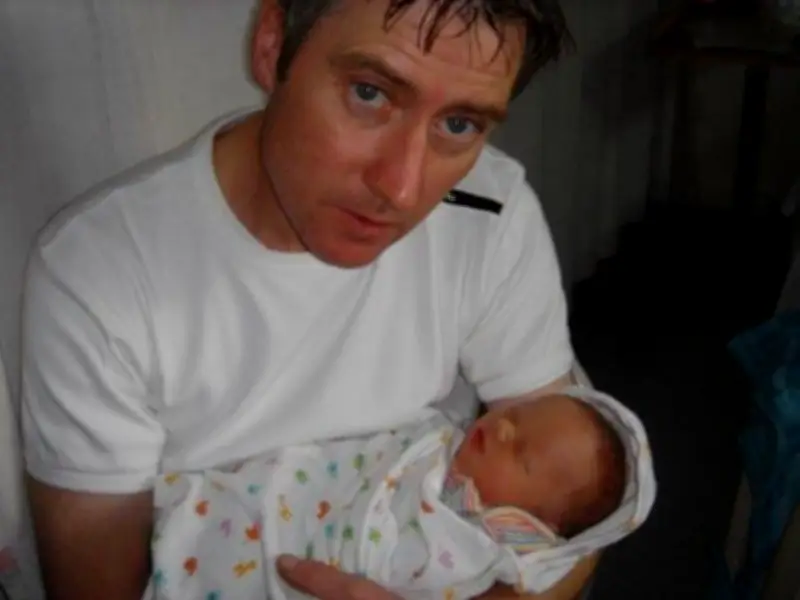
Sarah Lundy, 57, from Blackpool, has spoken publicly for the first time about the day her husband Darren left home to buy milk and cigarettes and never came back. He was found dead three days later in a hospital car park in May 2018, having taken his own life.
Darren's battle with Multiple Sclerosis
Sarah met Darren in 2004, but just six months later he was diagnosed with Multiple Sclerosis (MS). Despite the diagnosis, Darren continued working as a heating and ventilation engineer in schools and hospitals. He was proud, hard-working and fiercely independent, rarely discussing his condition.
The couple married and had a son, Charlie. Over time, Darren's MS deteriorated, robbing him of mobility, independence and confidence. He struggled to walk, lost fine motor skills, faced short-term memory loss and became increasingly isolated.

The impact of the disease
Sarah said: "When we met, Darren was funny, capable, hard-working and full of life. We genuinely believed we could face whatever Multiple Sclerosis threw at us because we faced everything together. Over time, though, the disease changed every aspect of our lives."
She added: "Multiple Sclerosis doesn't just affect the person who is diagnosed, it affects relationships, finances, family life, mental health and the future you thought you were going to have. I became a carer as well as a wife, and that was incredibly difficult for both of us."
The tragic day
By 2017, Darren's physical health had worsened significantly, and he experienced serious mental health difficulties linked to his illness. On the evening of May 12, 2018, he left home, saying he was going for milk and cigarettes. He never returned. Three days later, his body was found in a hospital car park. Sarah believes he chose that location so his family would not be the ones to find him.
Sarah recalled: "The days that Darren was missing were the most traumatic days of our lives. Every time the phone rang, my heart stopped, and every knock on the door filled us with dread."
She described telling their nine-year-old son: "The hardest thing I have ever done was tell my nine-year-old son that his dad wasn't coming home. Watching your child's heart break in front of you is something that never leaves you."
International Widows Day campaign
Eight years on, Sarah is sharing her story as part of The Widowed Collective's #WidowedAndForgotten campaign, launched to mark International Widows Day on June 23. The campaign highlights the hidden loneliness of widowhood.
Sarah said: "People are incredibly kind when someone dies and I will always be grateful for that support. The reality, however, is that life naturally moves forward for everybody else while your grief comes with you into every new day."
She added: "Many assume that because time has passed, you're okay. The truth is that widowhood changes you forever, and there are moments years later when you still need support, but people stop asking how you are because they think you've moved on."
Support from The Widowed Collective
Sarah is now a board member of The Widowed Collective, which she credits with helping her connect with others who understand loss. She said: "The Widowed Collective has been invaluable because it connects you with people who genuinely understand widowhood. You don't have to explain yourself or justify your feelings because everyone there has experienced their own version of loss."
Natalie Bolton, co-founder of The Widowed Collective, said: "One of the most common experiences we hear about from widows and widowers is not simply grief, but invisibility. People are often surrounded by support in the immediate aftermath of a bereavement, but as time passes that support naturally fades because others assume healing has happened."
The Widowed Collective provides free peer-to-peer support for people who have lost a life partner, including an online community, practical guidance, events and a lived-experience support network.