
A Swiss startup, VunaNexus, has developed a system that recycles human urine into a certified mineral fertiliser called Aurin. The technology is already in use at the European Space Agency's headquarters in Paris, where urine from staff is diverted and treated rather than flushed away.
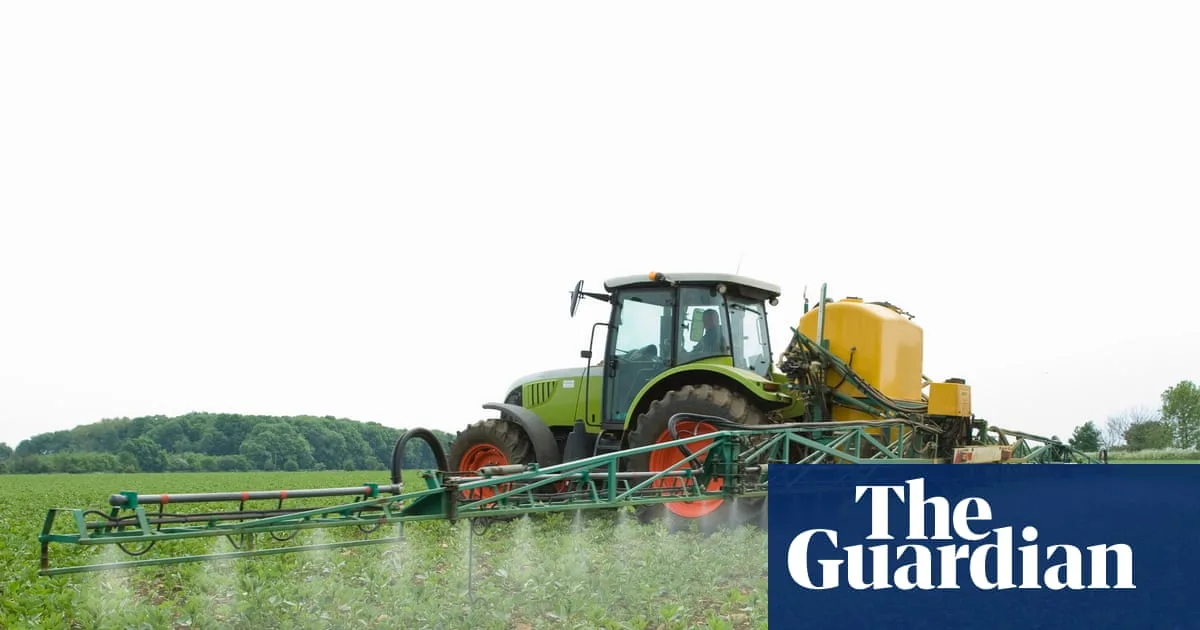
The process involves special toilets that separate urine without diluting it, piping it to a treatment plant where micropollutants are removed and nutrients like nitrogen and phosphorus are concentrated. The liquid is pasteurised at 90°C to kill pathogens, and distilled water is reused in flushing systems. Aurin is approved for all plants by Swiss and French authorities and is sold to farmers, gardeners, and tested by city authorities in Paris, Lausanne, and Zurich.
CEO David de Chambrier said the perception of urine recycling has shifted since Russia's war in Ukraine caused fertiliser prices to soar in 2022. 'This is not a hippy thing; we are recycling minerals,' he said. The vulnerability of fertiliser markets, exacerbated by tensions in the Strait of Hormuz, has spurred interest in alternatives. The UN has warned that 45 million people face acute hunger due to the conflict in the Middle East and rising fertiliser costs.
VunaNexus currently recycles about 3 million litres of urine annually from installations in commercial and residential buildings, including a large Swiss bank in Geneva. The technology is being rolled out in an eco-neighbourhood in Paris, set to be Europe's largest such project. De Chambrier estimates that recycling all urine in Europe could cover 30% of nitrogen demand, offering a resilient alternative for urban water treatment and reducing environmental impact.
The company originated from a research project in South Africa over a decade ago, which installed over 80,000 urine-diverting toilets near Durban. While the fertiliser worked on maize crops, logistical costs made it unviable at scale. Even in Switzerland, producing nitrogen from urine costs 40 to 50 times more than synthetic fertiliser, posing a major economic challenge.




