
The lethal injection, the primary method of execution in the United States for decades, remains controversial due to concerns over its efficacy and humaneness. In a recent case, an inmate reportedly regained consciousness and spoke after receiving the drugs, raising questions about the procedure's reliability.
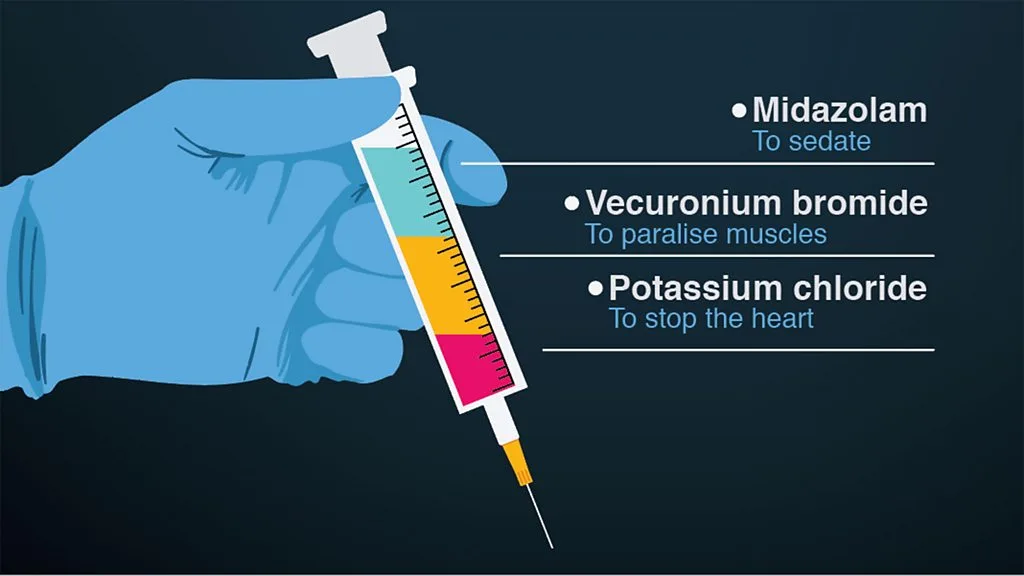
The three-drug protocol used in Arkansas includes midazolam, a sedative; vecuronium bromide, a muscle relaxant; and potassium chloride, which stops the heart. Midazolam, in particular, has been criticised for failing to maintain unconsciousness. In 2017, Alabama inmate Thomas D Arthur sought execution by firing squad instead, arguing that midazolam could cause 'prolonged torture'. The Supreme Court denied his appeal, and he was executed by lethal injection.
During the execution of Kenneth Williams in Arkansas in April 2017, an Associated Press reporter observed Williams lurching and convulsing 20 times after the midazolam injection. About three minutes in, his body jerked forward violently against the restraints. Similar incidents occurred in Ohio and Arizona, where inmates gasped for air for extended periods after receiving the drug.
Dr Joel Zivot, an associate professor of anesthesiology at Emory University, has questioned the use of midazolam, stating that it may not reliably induce unconsciousness at the doses used. The controversy has led to declining support for the death penalty in the US, with approval falling to around 50%—its lowest since 1972.




