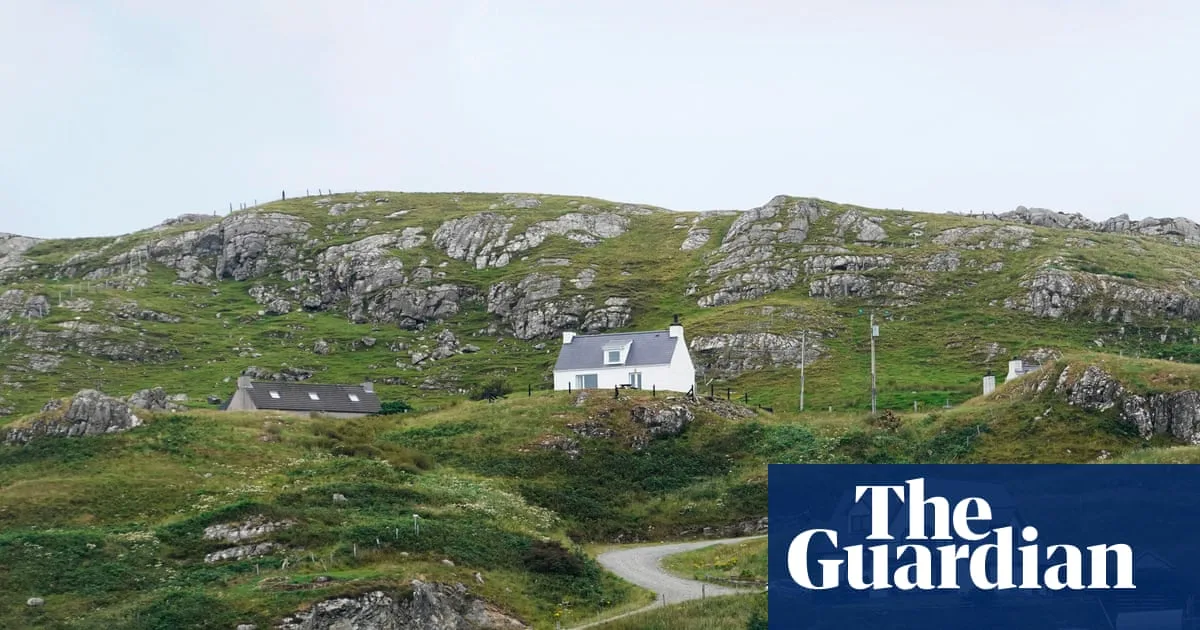
The closure of the village shop in Kilchoan, once Britain’s most westerly mainland shop, has raised concerns about the future of remote communities. The shop shut after half a century, following a pattern of similar closures in Lochaber and Argyll. Critics question whether this is a policy failure or simply market forces at play.
Nearly 50 years ago, a government-funded scheme offered a lifeline to communities seeking to preserve key assets. In 1977, the Highlands and Islands Development Board launched a programme to support community-led development, matching local financial contributions and providing practical support. Initially tested in the Western Isles, it expanded to the rest of the Highlands and islands by 1979.
Such initiatives contributed to community wealth-building and supported investment in revenue-generating activities. Today, many active co-operatives help retain people and money in rural areas, though they face challenging conditions. Major retailers now deliver to remote households, but the loss of services such as fuel, banking, and groceries threatens the economic base of these areas.

Chas Ball, a former member of the outreach team, argues that public support is needed to maintain essential services and stem depopulation. Without such support, remote communities may face further decline, raising the question of whether the plan is for everyone to move to urban centres.