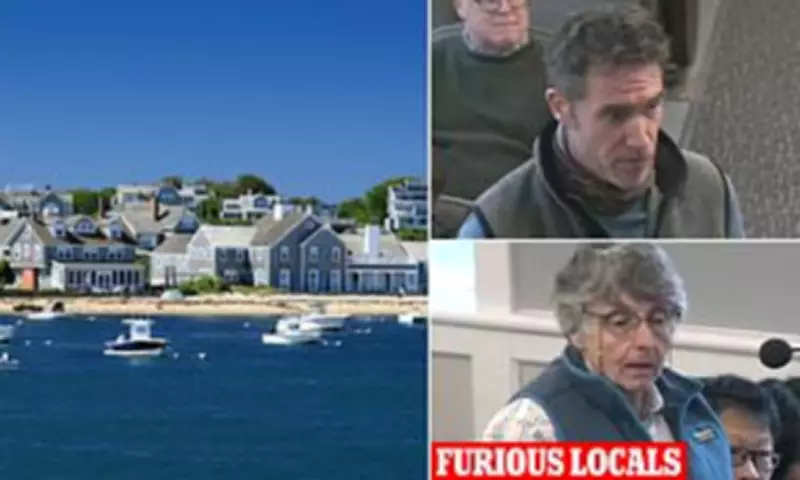
Nantucket Residents Clash Over Worker Dormitory Housing Proposals
A significant feud has erupted among residents of the upscale Massachusetts island of Nantucket over contentious plans to construct dormitory-style housing for essential workers. The local planning board convened on April 13 to hear passionate complaints from neighbours regarding three separate housing development proposals, as reported by the Nantucket Current. The debate highlighted deep divisions between community members and the pressing need for employee accommodation on the exclusive island.
Three Controversial Housing Proposals Spark Outrage
The planning board reviewed three distinct applications that have polarised the island community. The first proposal involved constructing a four-bedroom development at 16 Atlantic Avenue, valued at approximately $2,395,000, designed to house up to eight employees from Waste Options, the company responsible for the town's waste management operations.
Another application sought to convert commercial properties at 14 and 16 Davkim Lane, which last sold for $1,846,500, into nine bedrooms of employee housing for the trucking firm Cape Cod Express. However, the most hotly contested proposal centred on a property at 16A Waydale Road, worth $1,957,100, where Waste Options currently houses 12 employees but requested permission to increase capacity to 16 workers.

Residents Voice Extraordinary Complaints and Safety Fears
Neighbours expressed vehement opposition to the developments, with some complaints taking unusual turns. Planning Board alternate and Historic District Commission chair Stephen Welch, speaking as a private citizen, claimed a bizarre incident involving wildlife. 'I almost had my ankle bitten off by a six-foot lizard three summers ago that came from this house,' Welch told the board during the heated hearing.
Other residents raised more conventional safety concerns. Local Gail Butler described witnessing a traffic accident she attributed to the existing housing situation. 'I watched a young girl on an electric bicycle come down Waydale Road and get hit by a car that was coming out of their driveway, and there was a van parked on the road so they couldn't see this bike,' Butler testified. 'The density of the number of employees also concerns me.'
Poetic Protest and Legal Defence Highlight Emotional Divide
The emotional depth of the conflict was further illustrated when a young girl named Boya Phatthanaphuti read a poem she had written to express her anxieties about the proposed developments. 'I'm a girl growing up, and strangers' noise puts me on guard, and it makes any fun and rest really hard. When I try to breathe air, it isn't fair to have cigarettes and weed smoked where I live,' she recited. 'These things, the noise that causes stress, stress, the smokes that hurt my breathing, all the strangers that harm my comfort and safety, all affect me in an unhealthy way. There are already so many people there, and more would make it worse.'
Real estate attorney Rick Beaudette, who represented all three developments at the hearing, offered a starkly different perspective in defence of the workers' housing needs. 'These people are the same as all of us, man. They're just working here, and living here, and that's it, and the only difference is some of us own a house, and they don't. The town needs this housing,' Beaudette argued passionately.
Planning Board Approves All Proposals with Stringent Conditions
Despite the vocal opposition and colourful complaints from residents, the planning board ultimately voted unanimously to approve all three housing proposals. However, each approval came with specific conditions designed to address community concerns.
For the Waydale Road property, conditions include a strict prohibition on street parking, noise restrictions between 10pm and 7am, and mandatory quarterly reviews by the board for the first year. The Atlantic Avenue development was approved with conditions that disallow guests and limit excess noise during nighttime hours.

The Davkim Lane conversion received approval with requirements to block short-term rentals and pave a portion of the road in front of the building. These compromises reflect the board's attempt to balance the island's critical need for worker housing with residents' legitimate concerns about neighbourhood character and safety.
The controversy underscores the broader challenges facing exclusive communities like Nantucket, where soaring property values and limited space create tensions between year-round residents, seasonal workers, and the businesses that depend on them. As the island continues to grapple with housing affordability and availability, such conflicts are likely to persist, testing the community's ability to find equitable solutions for all stakeholders.