Cruise Ship Off Cape Verde Hit by Suspected Hantavirus Outbreak, 3 Dead
Cruise Ship Off Cape Verde Hit by Suspected Hantavirus Outbreak

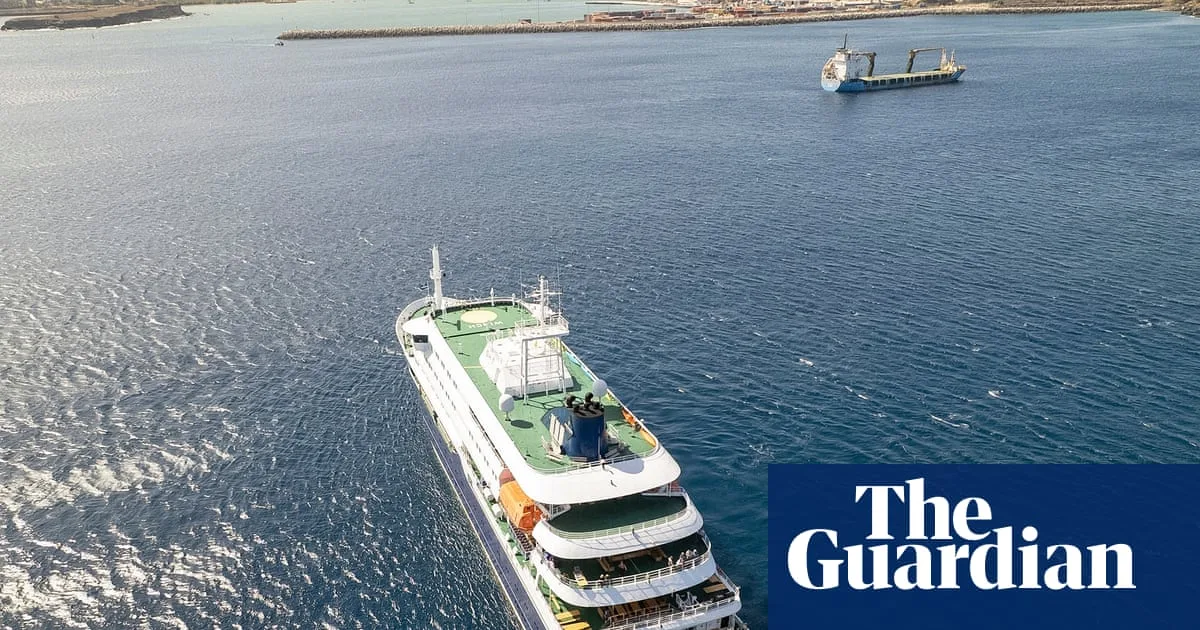
A Dutch cruise ship with approximately 150 passengers aboard is awaiting assistance off the coast of Cape Verde in the Atlantic Ocean following a suspected outbreak of the rare hantavirus that has resulted in three deaths and at least three other individuals falling seriously ill, according to the World Health Organization and the vessel's operator.

Vessel Requests Help After Fatalities

The MV Hondius, which had been on an extended polar cruise originating from Argentina and traveling to Antarctica and several remote islands in the South Atlantic, requested help from local health authorities after reaching Cape Verde, situated off the coast of West Africa. However, no one has been permitted to disembark, the operating company stated late Sunday.

The first victim, a 70-year-old Dutch man, exhibited symptoms including fever, headache, abdominal pain, and diarrhea, and died aboard the ship while it was near the British territory of Saint Helena, approximately 1,200 miles (1,900 kilometers) from the African coast, the South African health department reported. His body was removed from the vessel there and awaits repatriation. His 69-year-old wife was transferred to South Africa but collapsed at a Johannesburg airport and died at a nearby hospital. The ship then proceeded to Ascension Island, another isolated Atlantic outpost about 800 miles (1,300 kilometers) north, where a British man was taken off the ship. He later tested positive for hantavirus, a rare infection spread by rodents that can cause severe respiratory illness or hemorrhagic fever. He is in critical condition and isolated in intensive care at a South African hospital. The third fatality has not been publicly identified, but the body remains on the ship, the cruise operator said.

Wide Pickt banner — collaborative shopping lists app for Telegram, phone mockup with grocery list

WHO and Local Authorities Respond

The WHO reported that five other cases are suspected to be hantavirus but have not yet been confirmed through laboratory testing. It remains unclear when the victims died. A marine traffic website indicates the ship departed Ascension Island on April 27 for Cape Verde, about 1,700 miles (2,700 kilometers) north.

Two crew members still aboard the Hondius require urgent medical care, according to Oceanwide Expeditions, the Netherlands-based operating company. Oceanwide described the situation as a “serious medical situation” but did not provide further details or specify whether passengers are in quarantine. “Local health authorities have visited the vessel to assess the condition of the two symptomatic individuals,” the company said late Sunday. “They are yet to make a decision regarding the transfer of these individuals into medical care in Cape Verde.”

The WHO stated it is collaborating with local authorities and the ship's operators to conduct a “full public health risk assessment” and coordinate the evacuation of the two sick individuals. “Detailed investigations are ongoing, including further laboratory testing, and epidemiological investigations,” the WHO said. “Medical care and support are being provided to passengers and crew. Sequencing of the virus is also ongoing.”

The Dutch Foreign Ministry confirmed that two of the victims are Dutch and is exploring possibilities for evacuating some people from the ship.

Understanding Hantavirus

Hantaviruses, found worldwide, are a family of viruses primarily spread through contact with the urine or feces of infected rodents such as rats and mice. They gained attention after the late actor Gene Hackman’s wife, Betsy Arakawa, died from hantavirus infection in New Mexico last year. Hackman died about a week later at their home from heart disease.

In rare instances, hantavirus infections can be transmitted between people, the WHO noted. There is no specific treatment or cure, but early medical attention can improve survival chances. The U.S. Centers for Disease Control and Prevention states that hantaviruses cause two serious syndromes: hantavirus pulmonary syndrome, affecting the lungs, and hemorrhagic fever with renal syndrome, affecting the kidneys. The lung disease is more common in the Americas.

“While severe in some cases, it is not easily transmitted between people,” Dr. Hans Henri P. Kluge, WHO Regional Director for Europe, said in a statement Monday. “The risk to the wider public remains low. There is no need for panic or travel restrictions.”

Pickt after-article banner — collaborative shopping lists app with family illustration

Cruise Itinerary and Background

The weekslong cruise began in Ushuaia, southern Argentina, and included visits to Antarctica, the Falkland Islands, South Georgia, and other isolated South Atlantic islands. Oceanwide Expeditions advertises 33-night or 43-night “Atlantic Odyssey” cruises on the 107-meter-long (351-foot) Hondius, following that route and offering passengers opportunities to visit some of the world's most remote islands. The Hondius has 80 cabins, a capacity of 170 passengers, and typically carries 71 crew members, including a doctor.

While authorities have not identified the possible source of the suspected outbreak, a previous hantavirus outbreak in southern Argentina in 2019 killed at least nine people, prompting a judge to order dozens of residents in a remote town to remain home for 30 days to curb the spread.

South Africa's National Institute for Communicable Diseases is conducting contact tracing in the Johannesburg region to identify potential exposures to infected cruise ship passengers. The 69-year-old woman who died collapsed at a Johannesburg airport while trying to catch a flight back to the Netherlands. South Africa's health department assured the public there is no need to panic, adding that the WHO is “coordinating a multicountry response with all affected islands and countries to contain further spread of the disease.”