









Entertainment

Vera Wang, 76, Stuns at Cancer Research Gala with Age-Defying Look
Fashion designer Vera Wang, 76, dazzled at a Breast Cancer Research Foundation party in New York, attributing her youthful appearance to work, sleep, and vodka cocktails.





Politics

Channel 4 Cancels 'Pushers' Despite Bafta Nomination for Rosie Jones
Groundbreaking Channel 4 comedy 'Pushers' has been cancelled despite a Bafta nomination for star Rosie Jones, who played a disabled drug dealer after benefits cuts.



Sports

Alexander Isak Named in Sweden World Cup Squad Despite Injury-Hit Season
Alexander Isak has been included in Sweden's World Cup squad despite a difficult season at Liverpool, while Tottenham's Dejan Kulusevski misses out due to injury.



Crime

Body of Missing 11-Year-Old Boy Found in South Korean National Park
The body of an 11-year-old boy missing from Juwangsan National Park in South Korea was discovered near the summit, with authorities suspecting a fall.







Health





Weather
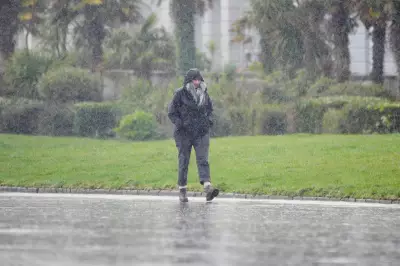
UK Cold Snap Brings Low Temperatures and Hail
The UK is experiencing a cold snap with temperatures below average for May, bringing hail and thunder, especially in the Midlands and north.

Cold Snap Brings Hail and Thunder Across UK
A cold front brings hail, thunder, and heavy showers to the UK, with temperatures below average. Warmer weather expected by next week.

Northern Lights May Return to UK Skies Tonight
The Sun's massive solar flare may bring the Northern Lights to parts of the UK tonight, with Scotland offering the best viewing chances.
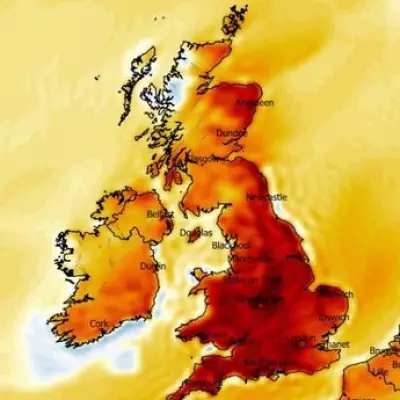
UK Braces for 27C Heat Surge: 18 Counties Hit 25C+
Weather maps show temperatures could reach 27C in parts of the UK, with 18 counties expected to see 25C or above in a four-day hot spell from May 22.

Met Office Maps: 18 Areas Bracing for Heavy Downpours Wednesday
Met Office weather maps reveal 18 UK areas set for heavy rain and snow on Wednesday, with wintry precipitation across Scotland and northern England.
Tuesday Test: Can You Answer These UK Sports Questions?
Test your knowledge of British sports with our Tuesday quiz featuring 100 questions about football, cricket, and rugby. Perfect for sports enthusiasts and trivia lovers.
