Health authorities in 13 nations are investigating suspected hantavirus infections across four continents following the departure of the MV Hondius from Argentina. The UK Health Security Agency (UKHSA) has confirmed two cases involving British nationals, while a third Briton is considered a suspected case on the remote island of Tristan da Cunha.
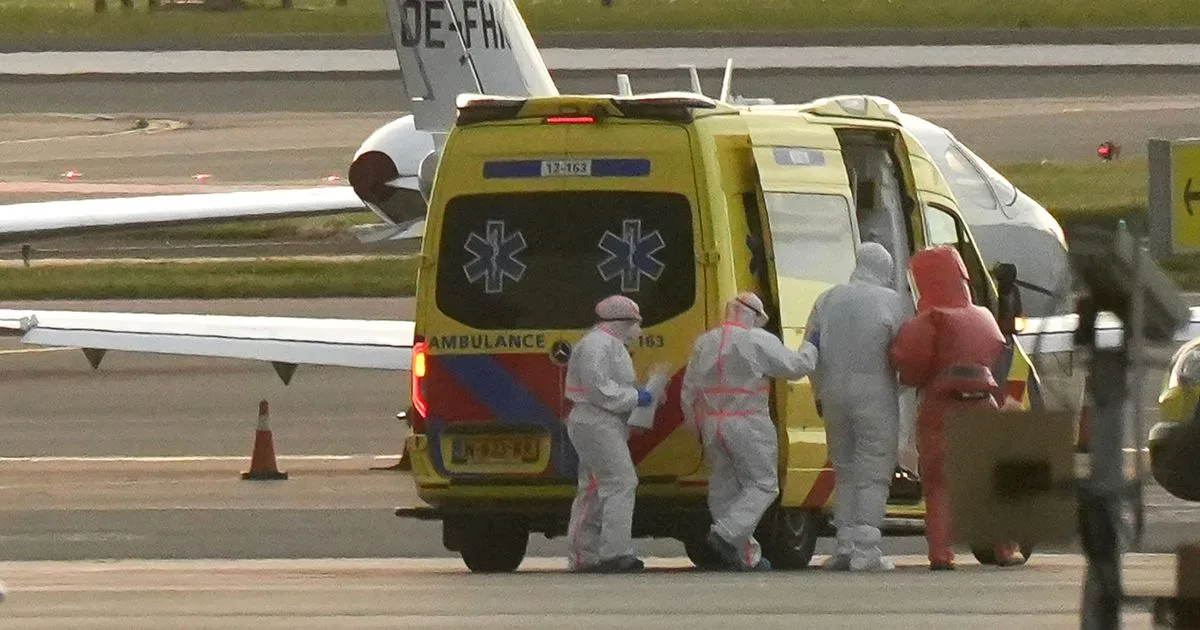
One confirmed British patient is currently hospitalised in the Netherlands and another in South Africa, while the individual on the South Atlantic island remains there. The scale of the crisis grew after 29 passengers—including seven Britons—disembarked at St Helena on 24 April; a Dutch woman from that group subsequently fell ill and died during her journey.
A total of three deaths are now linked to the outbreak, which was officially verified by the World Health Organisation on 2 May. According to the WHO, the initial cases involved a Dutch couple who had travelled through Argentina, Chile, and Uruguay before boarding the cruise. Governments in countries such as Singapore, South Africa, and the Netherlands are now working to locate former passengers as the vessel heads for Tenerife.
Although no Britons currently on board are displaying symptoms, the UKHSA maintains they are under strict surveillance. The ship is expected to dock in Tenerife on Sunday, according to the latest updates from the Spanish health ministry. A UKHSA statement said: “UK Government staff will be on the ground ready to support the British nationals disembarking. British passengers and ship crew not displaying any symptoms of hantavirus will be escorted by UK Government staff to an airport and given free passage back to the UK.”
The WHO said the risk to the general public remains low. Hantavirus is typically contracted through breathing in contaminated rodent droppings and does not spread easily between humans. All British passengers and crew from the ship are being asked to isolate for 45 days upon returning to the UK, with close monitoring by UKHSA officials.