Is Big Brother Watching You Shop? Retail AI Surveillance Spreads
Is Big Brother Watching You Shop? Retail AI Surveillance

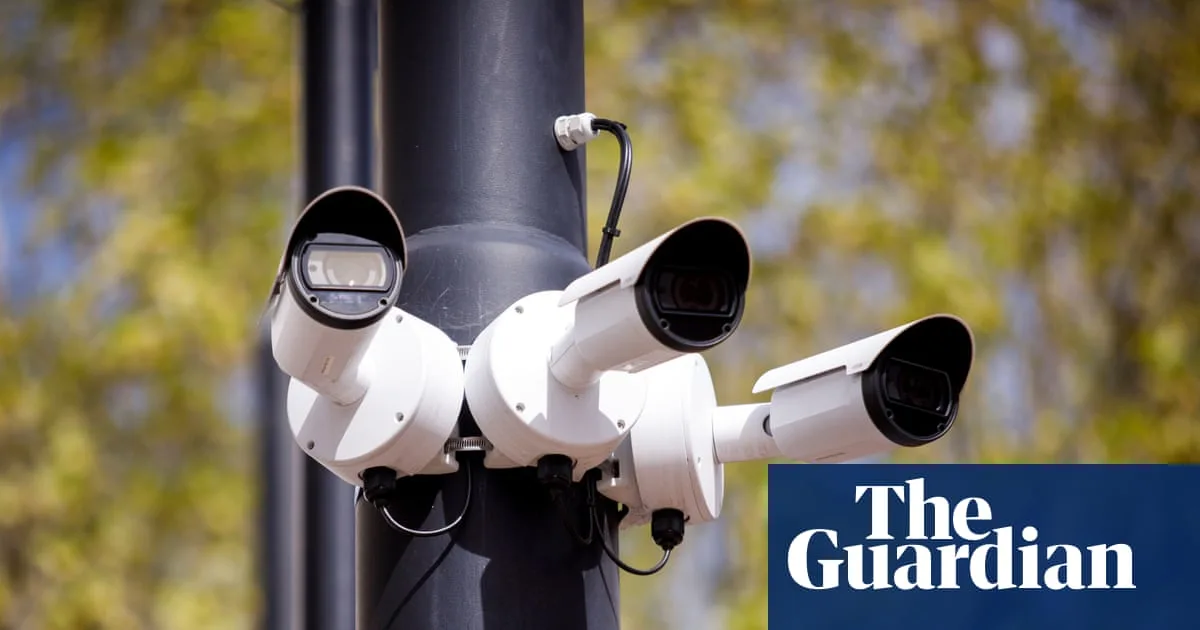
Live facial recognition technology is being hailed as a powerful new frontier in the fight against crime, not only by police but also by private companies. Retailers, from supermarkets to corner shops, hope it will help them combat shoplifting. However, the Guardian’s social affairs correspondent, Jessica Murray, warns that this technology will expand surveillance into more public spaces, and it doesn't always get it right.

How It Works

The AI systems used by police and stores scan faces in real-time, comparing them against databases of known offenders. But as Murray explains, the technology can misidentify innocent shoppers, leading to wrongful accusations. Those falsely accused often find it surprisingly difficult to clear their names.

Consequences of Expansion

With more police forces wanting to adopt facial recognition, the potential for errors and privacy violations grows. Murray highlights cases where shoppers were wrongly accused by AI systems of breaking the law, raising concerns about accountability and the erosion of civil liberties.

Wide Pickt banner — collaborative shopping lists app for Telegram, phone mockup with grocery list
  • Retailers see facial recognition as a deterrent against theft.
  • Critics argue it normalizes surveillance in everyday spaces.
  • Errors in identification can have serious repercussions for individuals.

As the technology becomes more widespread, the balance between security and privacy remains contentious. The podcast explores what the consequences could be for society if facial recognition becomes ubiquitous in retail environments.

Pickt after-article banner — collaborative shopping lists app with family illustration