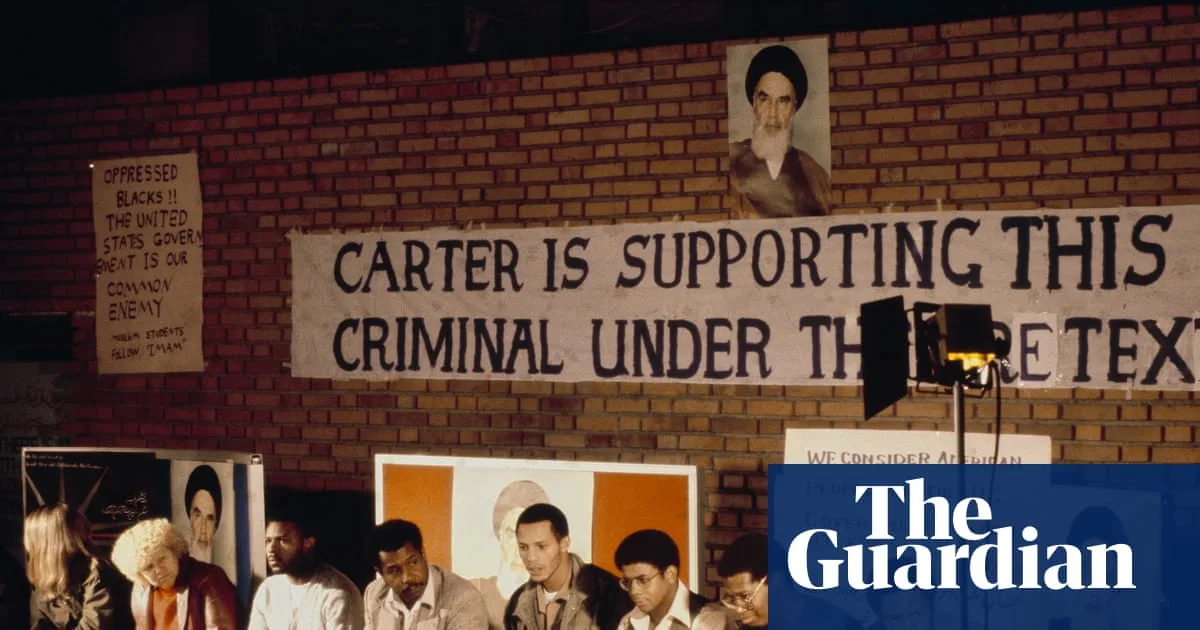
In the 1979 Iran hostage crisis, 66 Americans were taken captive when student demonstrators stormed the US embassy in Tehran. Sixteen days later, 13 hostages—including six Black men, four Black women, and three white women—were released, while the remaining 52 were held for 444 days.
One of those released early was James Hughes, a 30-year-old air force staff sergeant at the time. In a recent interview, Hughes recalled his experience as a Black American in captivity, noting that his captors seemed curious about his skin and hair. He described being blindfolded, tied to a chair, and fed a diet of rice, water, and goat cheese.
The early release of Black hostages has drawn renewed attention amid current US-Iran tensions. While Iran never officially explained the decision, historians suggest it may have been a calculated move to appeal to anti-racism sentiment or to divide American public opinion. Hughes, who grew up under segregation in New Orleans, reflected on the irony of being freed while others remained captive.

The hostage crisis was the culmination of long-standing tensions over US and British involvement in Iran, including the installation of the Shah. Hughes described the ordeal as a crisis of faith, but he survived and now speaks about the episode as a reminder of the complex intersections of race, politics, and international relations.