Heating Oil Crisis Hits 1.7 Million UK Homes as Prices Double in a Week
Almost two million homes and businesses across the United Kingdom are confronting a severe financial squeeze as heating oil costs have more than doubled within just seven days. This dramatic surge is directly linked to the escalating conflict in the Middle East, which has severely disrupted global oil supply chains.
Supply Disruption Drives Unprecedented Price Hike
The crisis stems from Iran's effective blockade of tanker movements through the critical Strait of Hormuz, hampering Brent crude oil supplies. Compounding the issue, Qatar's liquified natural gas plant was forced to shut down after being struck, sending gas prices soaring as well. However, heating oil presents a unique and immediate challenge for consumers.
Unlike regulated gas and electricity markets, heating oil pricing exhibits extreme volatility that transfers directly to end users. Prices have skyrocketed from approximately 66 pence per litre on March 2 to a peak of 138 pence per litre by Monday, representing a staggering 109 percent increase. Although prices have slightly retreated to around 129 pence per litre, they remain at historically elevated levels.

Why Heating Oil Reacts Differently to Market Shocks
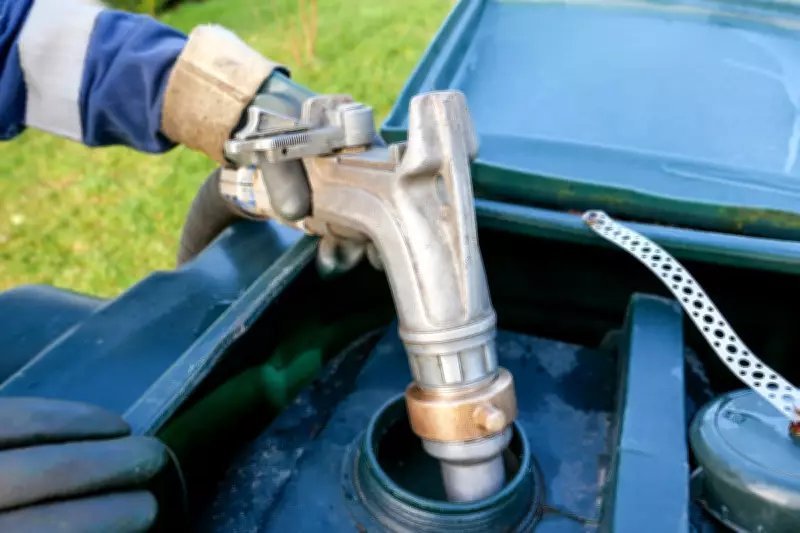
Heating oil stands apart from other energy sources in its distribution and purchasing patterns. Approximately 1.7 million UK households, particularly in remote rural areas where gas grids are unavailable, depend on heating oil stored in on-site tanks. These consumers typically use kerosene-28, ordering refills directly from local suppliers as needed.
The market structure explains the rapid price transmission. While major energy providers like Octopus or British Gas operate with long-term contracts and price caps for electricity and gas, heating oil involves around 120 smaller, often family-run distributors. These companies purchase product daily or weekly at current market rates, creating immediate price pass-through to consumers.
"There's no lag whatsoever in this market," explained Ken Cronin, CEO of UKIFDA, the trade association for heating oil distributors. "That's reflected directly in consumer prices. Although there has been a rapid increase, there would be a rapid decline as well if the situation improves."
Geographic Disparities and Consumer Advice
The impact varies significantly across regions. While only about 5 percent of English homes use heating oil, this rises to 50-60 percent in Northern Ireland, where approximately 520,000 of the UK's 1.7 million reliant households are located. Rural communities in Wales, Scotland, and England are also disproportionately affected.
Industry experts strongly advise against panic buying at current elevated prices. UKIFDA recommends that consumers not immediately needing refills should consult local distributors and monitor market developments. "Regional distributors are fighting for business so pricing is competitive and reacts fast to markets," noted Mr. Cronin, referencing how prices normalized quickly after the Ukraine conflict and plummeted to 25p per litre during COVID-19 when aviation demand collapsed.
Market Mechanics and Future Outlook
Several factors intensify heating oil's vulnerability. Approximately 40 percent of the UK's heating oil supply originates from the Middle East, compared to just 10-15 percent of crude oil in the broader energy mix. Additionally, as a kerosene product similar to jet fuel, it faces distinct supply pressures.
Suppliers report unprecedented volatility, with some unable to quote delivery prices until the day before shipment. Certas Energy, a major UK fuel distributor, acknowledged "significant volatility in the oil market" and noted "a marked increase in heating oil orders, including larger-than-usual volumes" that strain supply chains.
The average price band for heating oil has historically ranged between 50-60p per litre since July 2011, with notable deviations during the COVID-19 pandemic, Ukraine conflict, and current crisis. As the situation evolves, consumers face difficult decisions balancing immediate needs against potential market corrections.