Prehistoric Bug with Crab-Like Claws Named After K-Pop Group Stray Kids
Prehistoric Bug Named After K-Pop Group Stray Kids

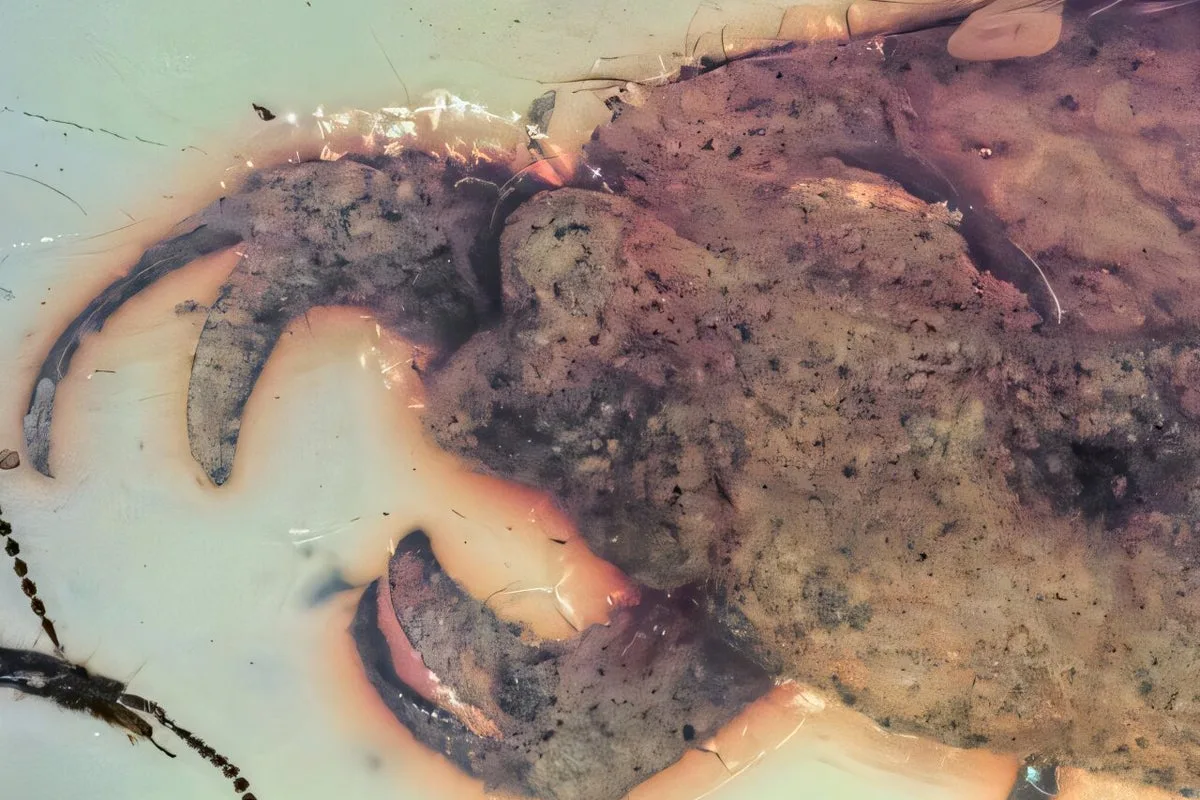
A prehistoric species of bug with distinctive claws has been discovered in Myanmar, preserved in amber from the northernmost state of Kachin. This intact fossil represents the first known fossil insect with a forceps-like leg, providing new insights into a 100-million-year-old forest ecosystem.

Unique Features of the Fossil

The insect possesses large claws, or chelae, on its front legs, which resemble the grasping appendages of crabs. Such structures are extremely rare in insects. According to zoologist Carolin Haug, an author of the study published in the journal Insects, “Previously, such chelae were known from only three insect groups. This fossil, therefore, represents the fourth known case of these structures evolving independently in insects.”

Scientific Classification

Due to its distinct features, scientists have placed the fossil in a new genus and given it the scientific name Carcinonepa libererrantes. The genus name combines the Latinized Greek word for “crab” (carcino-) with nepa, referencing the group of true water bugs known as Nepomorpha. The species name libererrantes is a Latinisation of the highly successful K-pop group Stray Kids.

Wide Pickt banner — collaborative shopping lists app for Telegram, phone mockup with grocery list

“The name seemed fitting because the posture of the fossil's chelae strongly resembles the group's trademark pose,” Dr Haug explained.

Analysis and Comparison

Researchers used CT X-ray scans to examine the fossil and visualize all anatomical structures. Comparing these scans with those of other insects, they found that the chelae of the new species differ markedly from corresponding structures in other species. The claws appear similarly structured to more distantly related arthropods like crabs, lobsters, and shrimps.

“We compared the shapes of over 2000 grasping structures. We found out that in the forceps-like leg of the new fossil, the part closer to the body has a shape unknown from any other fossil or modern representative,” the researchers wrote in the study.

Lifestyle and Ecology

The chelae on its front legs were likely used for catching small insects near the coast. Its body structure also shows similarities to living representatives of the group Gelastocoridae, commonly known as toad bugs, which are adapted to life as terrestrial predators. “The morphology of C. libererrantes suggests that this species had a similar lifestyle,” Dr Haug said.

Pickt after-article banner — collaborative shopping lists app with family illustration