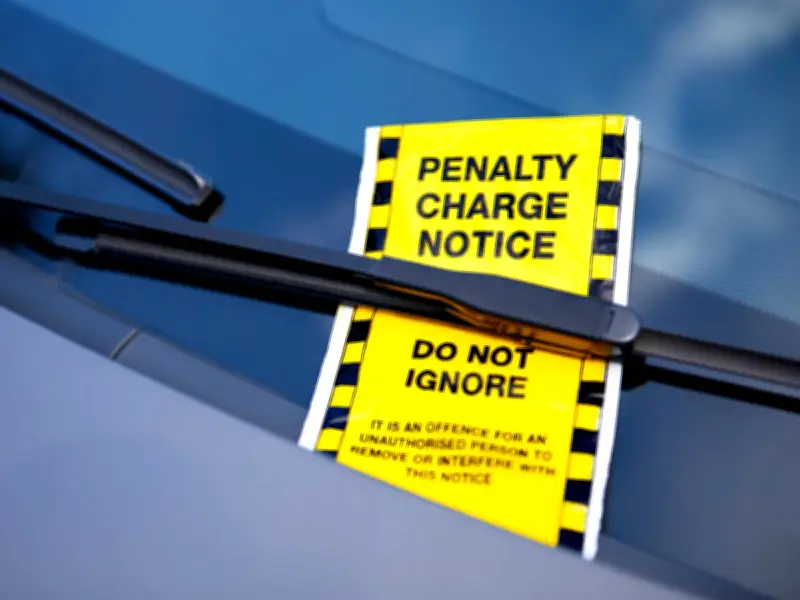
The RAC is urging private parking companies to rename the tickets they issue, arguing that they are deliberately designed to confuse drivers into paying up to £170. The motoring organization highlights that both private parking charge notices (PCNs) and council-issued penalty charge notices share the same acronym and often look similar, with yellow paper and black writing attached to windscreens.
Key Differences Between the Two Types of Notices
Council-issued penalty charge notices are backed by law for parking offences on public roads or in public car parks. They must be paid unless a successful appeal is lodged, and they offer a 50% discount for early payment. In contrast, private parking charge notices are described by the RAC as "an invoice for an alleged breach of contract" on private land. Appeals are handled by different organizations, and early payment discounts are typically at least 40% within 14 days.
Financial Consequences and Appeals
After a 28-day appeal window for private parking charge notices, unpaid tickets often escalate to £170, with debt collection agencies getting involved. The RAC's survey of 1,693 UK drivers found that more than nine out of ten respondents find the term "parking charge notice" confusing due to its similarity to "penalty charge notice." About 31% of those surveyed suggested renaming them to "private parking charges."

RAC head of policy Simon Williams stated: "Drivers are clearly confused by the PCN acronym which is concerning as they are very different in terms of consequences. We suspect parking charge notices are deliberately designed to appear very similar to a council penalty charge notice." He added that increasing unpaid tickets to £170 is "totally disproportionate to the alleged parking contravention."
Industry Response and Future Regulations
Isaac Occhipinti of the British Parking Association (BPA), representing private parking companies, countered that the term "parking charge" is "legally defined in legislation" and distinct from local authority fines. He noted that all correspondence clearly states who issued the charge and how to appeal. With over 40 million vehicles on UK roads, less than 1% of motorists receive a parking charge, indicating that the vast majority are decent drivers. The BPA is working with the government on a new code of practice to strengthen protections for motorists.
The RAC expects government figures to show a record 17 million parking charge notices issued in the year to March, up from 14.4 million in 2024/25. The survey was conducted by research company Online95 between November 15-23 last year.