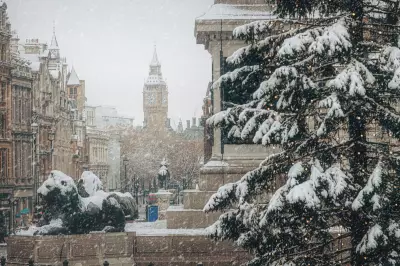
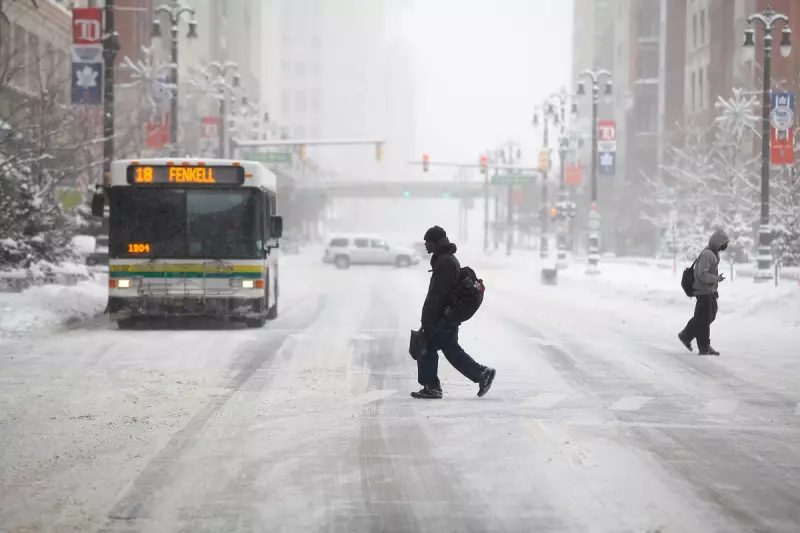
A significant Arctic weather system is set to plunge more than 100 million Americans into unseasonably cold conditions this weekend and into early next week, with forecasters warning of temperatures dropping well below seasonal averages.
Widespread Temperature Plunge
The massive cold front will affect residents across the eastern United States, with daytime temperatures expected to fall into the 30s and 40s Fahrenheit. The situation becomes particularly concerning in the Northern Plains and Midwest, where blustery wind gusts could make conditions feel like single digits.
Meteorologists have noted that this dramatic temperature drop represents an abrupt shift in seasonal patterns, with the region essentially skipping autumn and moving directly into winter-like conditions. The cold snap may see temperatures fall below freezing in 35 states, affecting millions of residents unprepared for such early winter weather.
Regional Impacts and Preparations
Several regions are already bracing for significant winter weather effects. Chicago, Indiana, North Dakota, South Dakota, and Michigan are among the areas preparing for an early winter onset, complete with lake effect snow, wind-driven flurries, and accumulating snowfall.
The cold front's reach extends surprisingly far south, with the Southeast also facing unusually cold conditions. Areas including Atlanta and Florida's Gulf Coast are predicted to experience temperatures 15 to 25 degrees below historical averages for this time of year.
Unusual Consequences in Warmer Climates
In Florida, the unusual cold poses unexpected risks to local wildlife. When temperatures drop below 40 degrees Fahrenheit, the state's iguana population faces a peculiar danger: cold-stunned iguanas may begin falling from trees as the reptiles become dormant and lose muscle control in the unseasonable chill.
The weather system, developing in early November 2025, serves as a stark reminder of how quickly seasonal patterns can shift. Residents across affected regions are advised to prepare for winter conditions much earlier than typical seasonal expectations would suggest.