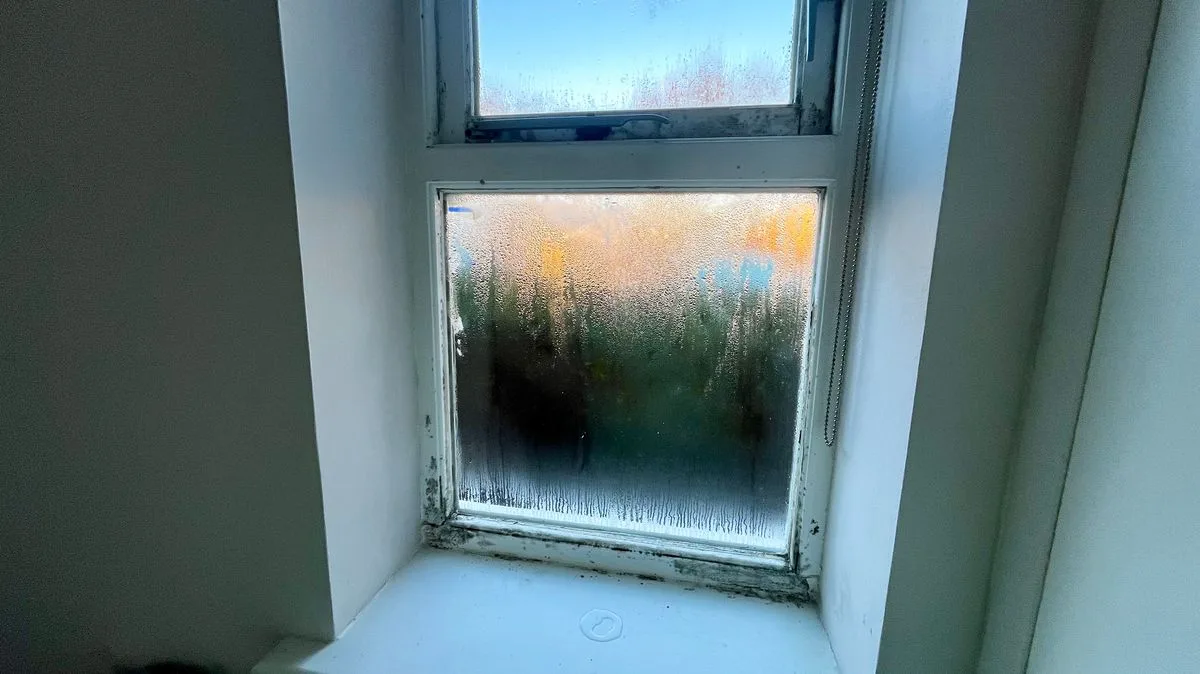
Washing Up Liquid Hack to Stop Winter Condensation on Windows
As temperatures plummet across the UK this February, households are being urged to use a simple and inexpensive method to combat condensation on windows. Experts advise applying a thin layer of washing up liquid to dry window panes, which can prevent the formation of water droplets that lead to damp and mould.
Why Condensation Forms in Cold Weather
Condensation occurs when warm, moist air inside a home meets the cold surface of a window, cooling down and forming water droplets. This issue becomes more prevalent during winter months, especially with the Met Office issuing yellow weather warnings for rain and snow across parts of southern England and Wales. These conditions can exacerbate indoor humidity levels, increasing the risk of condensation.
Without proper management, condensation can develop into black mould and mildew, posing potential health risks. The colder external temperatures intensify the temperature drop when warm air contacts the glass, resulting in misting and fogging that can damage window frames and walls.
How the Washing Up Liquid Solution Works
Specialists explain that the surfactants in dish soap lower water's surface tension, causing it to spread into a thin film rather than collecting into visible droplets. To apply this hack, take a small drop of washing up liquid and rub it into the window with a dry cloth. This creates a barrier that prevents water from sticking to the glass.
Home Things experts state: "In just a few minutes, you can put a stop to the damp, mould, and mildew that wet windows can cause. The washing-up liquid forms a protective layer on the surface, effectively stopping condensation altogether."
Affordability and Limitations of the Method
This solution is highly cost-effective, with a bottle of washing up liquid available for as little as 62p at retailers like Tesco. However, it is not a permanent fix. The soap film will wear away over time, requiring periodic reapplication. For long-term condensation management, experts recommend improving insulation and controlling humidity levels within the building.
Glazing Refurbishment specialists note: "Applying dish soap provides a temporary solution by creating a film that prevents water droplet formation. For lasting results, focus on managing indoor humidity and enhancing thermal insulation."
Additional Tips to Prevent Condensation and Mould
Heating systems play a crucial role in condensation levels, as warmer air retains more moisture. The World Health Organisation guidelines suggest maintaining temperatures at least 21°C in living areas and 18°C in sleeping quarters, with heating kept on a low setting throughout cold spells to balance humidity.
If condensation does accumulate, promptly dry surfaces to prevent mould growth. For any dark marks or mould spots, use a diluted bleach mixture or anti-fungal treatment. This proactive approach helps maintain a healthy indoor environment during the chilly winter months.