

Scottish Labour Suffers Major Poll Blow, Falls Behind Greens in Holyrood Race
Scottish Labour has been dealt a severe setback in the latest polling data, with the party tumbling to fourth place in the crucial regional list contest for Holyrood. The Scottish Opinion Monitor survey indicates a dramatic shift in voter sentiment, posing significant challenges for leader Anas Sarwar ahead of the upcoming election.
Poll Numbers Reveal Dramatic Decline for Labour
The poll shows Scottish Labour's support on the regional list has declined from 16 percent to just 14 percent since October. Meanwhile, the Scottish Greens have achieved a record-breaking surge, climbing from 13 percent to 16 percent. This reversal means Labour now trails behind the SNP, Reform UK, and the Greens on this vital electoral measure.
Perhaps most alarmingly for Labour strategists, the party's vote share has more than halved since the 2024 general election. On the constituency vote, Labour remains in third place despite falling from 16 percent to 14 percent, while the Greens have edged up from 10 percent to 11 percent.

Projected Seat Distribution and Political Fallout
Pollster Mark Difflley has analyzed the numbers and predicts Labour would finish fourth in terms of seats if these figures were replicated in an election. His forecast suggests the SNP would secure 57 seats, eight short of John Swinney's majority target, with Reform UK taking 22 seats, the Greens 16, Labour just 15, the Liberal Democrats 10, and the Conservatives nine.
The regional list system is particularly significant for Labour, as it provided 20 of the party's 22 MSPs at the last Holyrood election. The current polling suggests this crucial source of parliamentary representation is now under severe threat.
Voter Migration and Leadership Concerns
The YouGov survey for Edinburgh University's Scottish Election Study, which polled 1,517 Scottish adults between February 11 and 18, reveals troubling patterns of voter migration. More than two-thirds of those who voted Labour in the 2024 general election have drifted away, with only 32 percent planning to support the party again in May.
While 23 percent remain undecided, 14 percent have switched to Reform UK and 13 percent to the SNP. This erosion of Labour's electoral base has prompted internal criticism, with one downbeat Labour MSP admitting that UK Labour leader Keir Starmer is 'a drag on the ticket.' Another Labour MP described the party's position more bluntly as 'a s***show.'
Comparative Party Performance and Independence Sentiment
The SNP remains unchanged since October at 34 percent on the constituency vote, though they have declined from 30 percent to 28 percent on the list. Reform UK shows slight decreases from 19 to 18 percent on the constituency vote and from 20 to 19 percent on the list.
Public perception of governmental performance reveals further challenges. Only 23 percent of respondents believe the SNP Government is doing a 'good job,' down from 40 percent in December 2021, while 46 percent say they are doing a bad job. The UK Labour Government fares even worse, with a mere 8 percent approval rating against 67 percent disapproval.
On the constitutional question, most voters continue to oppose independence by 54 percent to 46 percent.
Expert Analysis and Political Reactions
Fraser McMillan, lecturer in Scottish Electoral Politics at the University of Edinburgh, notes that Reform UK are 'now clearly in pole position to become the official opposition after polling day.' Professor Ailsa Henderson, also of Edinburgh University, identifies three factors benefiting the SNP: 'they are buoyed by support from pro-indy voters, the pro-indy Scottish Greens have opted not to stand candidates in seats where they might have challenged the SNP, and increased competition on the pro-union side.'

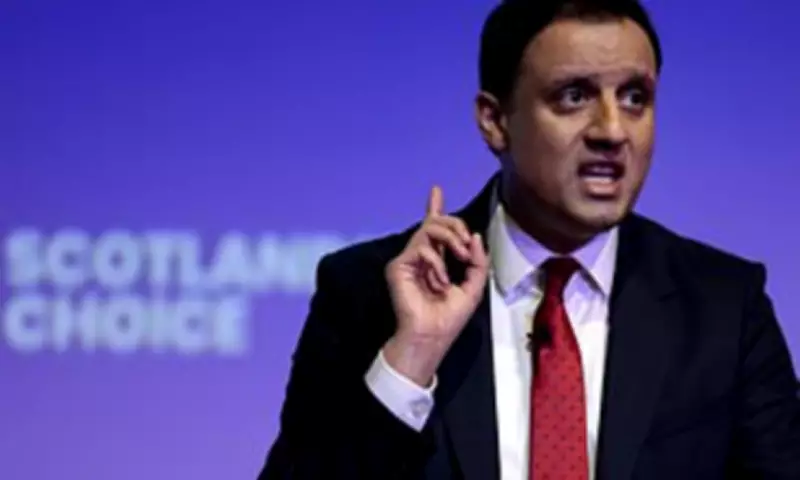
The poll was released on the same day Scottish Labour held its special election conference in Paisley. When questioned by media about the discouraging numbers, Anas Sarwar responded defiantly: 'If I believed every pollster, we wouldn't have won the Rutherglen byelection in 2023, we wouldn't have won the general election in 2024, we wouldn't have won the Hamilton byelection in 2025. We've proven them all wrong before, and I'm telling you, we're going to prove them all wrong again in ten weeks' time by making sure we win the election in Scotland.'
Scottish Greens co-leader Gillian Mackay offered a contrasting interpretation, suggesting Labour's collapse and a Green victory in the Gorton & Denton byelection south of the border 'wasn't a fluke or an accident, it was a sign of what's coming for Labour this May.'





