Major Storm System Threatens Eastern Australia
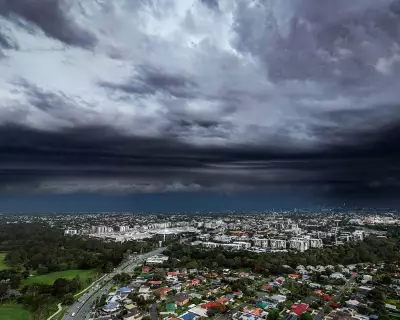
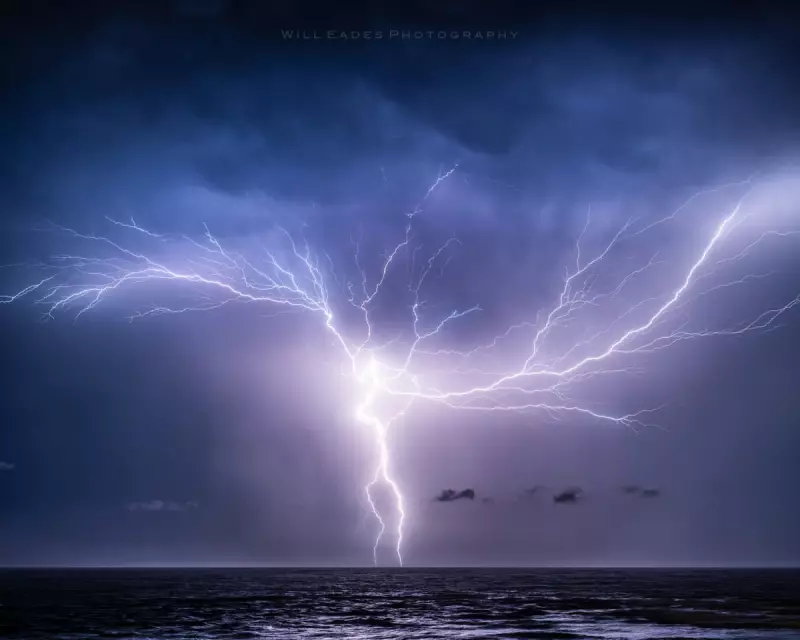
The Bureau of Meteorology has issued severe weather warnings for much of Australia's eastern seaboard, with destructive winds and dangerous thunderstorms forecast to hit New South Wales while Victoria and Queensland brace for significant rainfall.
According to meteorologist Christie Johnson, destructive wind gusts exceeding 125km/h pose the most serious threat, particularly across the Hunter region, mid-north coast and northern tablelands of NSW.
Immediate Threats and Warnings
"Those are destructive winds, very dangerous thunderstorms," Johnson emphasised during the weather briefing. The severe weather system brings multiple hazards including:
- Large hail stones measuring more than 2cm in diameter
- Localised heavy rainfall with potential for flash flooding
- Gusty winds capable of bringing down trees and power lines
- Potential damage to vehicles and property
For Sydney residents, the greatest risk period for severe storms was identified from late morning through early afternoon. The bureau warned these conditions could lead to power outages and significant transport delays across affected areas.
Temperature and Fire Danger Concerns
Interestingly, the approaching cold front was preceded by warm temperatures and elevated fire danger across central and eastern NSW. Sydney recorded a top of 32°C, while Newcastle reached 31°C and Wollongong 29°C.
"It's going to be warm and partly cloudy," Johnson noted, adding that high fire danger warnings were in effect for much of central and eastern NSW, with specific fire weather warnings issued for the north-western fire district.
Regional Impacts Across State Borders
The weather system extends beyond NSW, affecting neighbouring states with varying intensity. In Queensland, showers and thunderstorms were forecast to extend from the north-west to the south-east interior, moving towards the coast later in the day.
Victoria faces significant rainfall totals between 15 to 30mm across large areas stretching from Melbourne's east to Gippsland and the NSW border. Johnson indicated this could lead to river rises and isolated minor riverine flooding, with flood warnings to be issued if necessary.
The bureau continues to monitor the situation closely, urging residents in affected areas to stay informed about weather updates and warnings throughout Saturday.