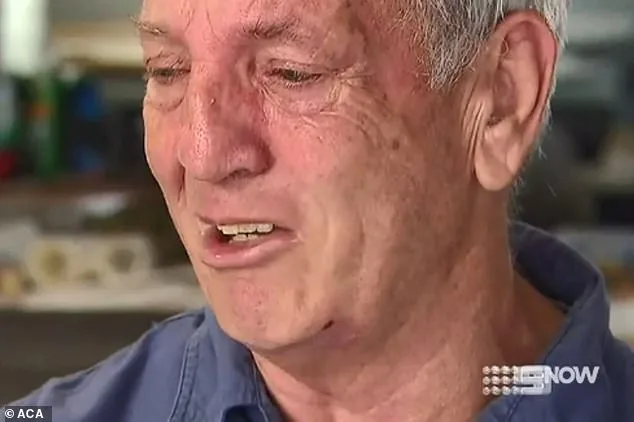
A cancer-stricken grandfather has described how Centrelink debt collectors pursued him for repayment while he was being treated in hospital. Raymond Murphy, one of thousands affected by the controversial robo-debt scheme, was targeted over an alleged $2,300 overpayment from years ago.
Mr Murphy told A Current Affair that the debt collectors showed no respect for his situation. 'They're severe, absolutely totally severe. They have no respect for me at all... For a measly $2,300, I'm getting ripped to shreds,' he said. The debt forced him to sell his house and move into a shed to afford his cancer treatment.
Under the robo-debt scheme, Centrelink uses data from the tax office to determine if welfare recipients owe money. Victims must prove they do not owe the debt, a process Mr Murphy described as being treated like a criminal. 'I am classed as a criminal, and I am guilty, and I have to prove my innocence. But in that, they can't supply the paperwork to prove how they came about to say I had a debt,' he said.
This week, Centrelink announced it will no longer assess debt by averaging tax office information alone, and will conduct further investigations. Department of Human Services General Manager Hank Jongen said, 'We don't ever want people to feel they're in a situation of helplessness.' However, Labor frontbencher Bill Shorten criticised the system, asking what will happen to those already victimised and the money improperly obtained.
The Department of Human Services stated it will work through previous online compliance debts to identify those that used only income averaging, and will freeze recovery activity for affected individuals. Normal debt recovery will continue for others unless they are identified as impacted.