
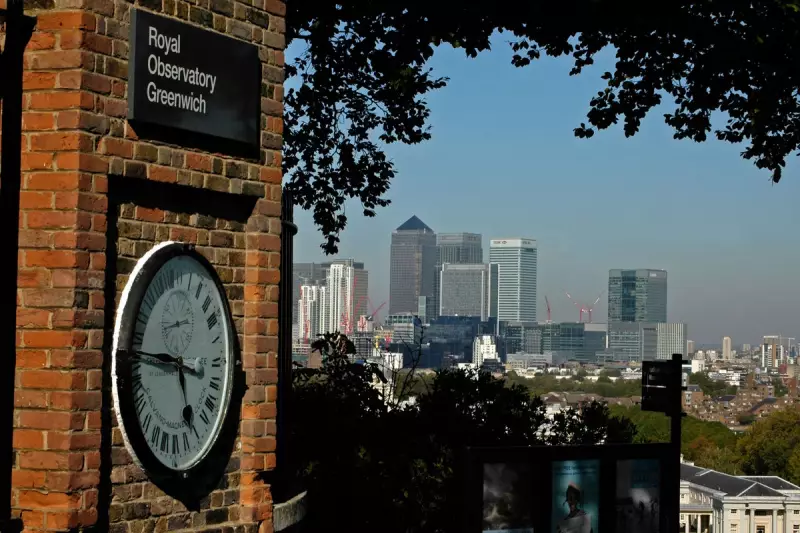
As we navigate through 2025, millions across the United Kingdom will experience the biannual ritual that divides opinion and disrupts sleep patterns - the changing of the clocks. While many welcome the extra hour of sleep in autumn, the adjustment period can leave people feeling groggy and out of sync.
When Exactly Do the Clocks Change in 2025?
Mark your calendars carefully. In 2025, British Summer Time concludes on Sunday, October 26th. At the precise moment of 2am, clocks will fall back by one hour to 1am, signalling the return to Greenwich Mean Time (GMT).
The Historical Roots of Daylight Saving
This practice isn't as modern as you might think. The concept was first seriously proposed by British builder William Willett in 1907, who argued passionately for advancing clocks during summer months to make better use of daylight. However, it wasn't until 1916, during the height of the First World War, that Britain officially adopted Daylight Saving Time as a fuel-saving measure.
Why Do We Still Change the Clocks?
Despite ongoing debates about its relevance in our modern world, the practice continues for several compelling reasons:
- Energy conservation: Maximising daylight hours reduces electricity demand
- Road safety: More evening daylight means fewer accidents during commuter hours
- Leisure benefits: Longer evenings support outdoor activities and tourism
- Business alignment: Synchronises with European trading partners
Minimising the Sleep Disruption
While gaining an extra hour sounds beneficial, the time change can significantly impact your circadian rhythm. Here are expert-recommended strategies to ease the transition:
- Gradual adjustment: Shift your bedtime by 15-minute increments in the days leading up to the change
- Light exposure: Seek morning sunlight to help reset your internal clock
- Evening routine: Avoid screens before bed and create a calming pre-sleep ritual
- Consistent schedule: Maintain regular meal times and sleep patterns throughout the adjustment period
The Future of Time Changes in Britain
The European Parliament voted in 2019 to abolish mandatory seasonal clock changes across the EU, allowing member states to choose between permanent summer or winter time. While the UK is no longer bound by this decision post-Brexit, the debate continues about whether Britain should follow suit and end the century-old practice.
As we approach October 2025, remember that while the clock change brings darker evenings, it also offers a valuable opportunity to reset sleep patterns and prepare for the cosier winter months ahead.