Cyclone Gezani Leaves Trail of Destruction in Madagascar
Madagascar has declared a national disaster after Cyclone Gezani tore through the island nation, resulting in at least 59 confirmed fatalities and displacing thousands of residents. The National Bureau for Risk and Disaster Management (BNGRC) released official figures detailing the extensive human toll, with 16,428 people displaced, 15 individuals missing, 804 injured, and a staggering 423,986 affected by the catastrophic weather event.
Second Major Storm in Ten Days
This devastating cyclone struck Madagascar merely ten days after Tropical Cyclone Fytia killed 14 people and displaced over 31,000, according to reports from the United Nations humanitarian office. The back-to-back storms have overwhelmed disaster response capabilities and highlighted the increasing frequency of severe weather patterns in the region.
At its peak intensity, Cyclone Gezani generated sustained winds reaching 185 kilometres per hour (115 miles per hour), with powerful gusts accelerating to 270 kilometres per hour. These ferocious winds proved strong enough to tear metal roofing from structures and uproot large, established trees across affected areas.

Path of Destruction and Ongoing Threat
The cyclone initially moved across the Mozambique Channel, bringing destructive winds and waves measuring up to 10 metres in height to southern Mozambique, as confirmed by regional weather services. After crossing Madagascar, the weather system has since curved back eastward over the channel, with meteorological forecasts indicating it may loop toward Madagascar once again.
Authorities have placed Ampanihy district in southwestern Madagascar on red alert, with Gezani projected to pass approximately 100 kilometres off its coast on Monday evening. While expected winds of around 65 km/h pose continued risk, forecasters anticipate no heavy rainfall accompanying this second approach.
Regional Impact and Climate Context
Mozambique has also felt the effects of Cyclone Gezani, with the country's weather service expecting the system to pass close to Inhambane before moving back into the Mozambique Channel. This comes as Mozambique continues recovering from severe flooding that affected more than 700,000 people and damaged over 170,000 homes in recent weeks, according to United Nations humanitarian coordination reports.
Scientists have repeatedly warned that climate change is exacerbating the frequency and intensity of weather-related disasters across Southern Africa. The region's vulnerability to such events has become increasingly apparent through consecutive catastrophic weather systems.
Local Preparations and Disruptions
In Inhambane, residents have taken proactive measures to protect their homes from the cyclone's impact. Many have placed sandbags on their roofs to prevent them from being blown away by intense winds and have barricaded windows with sheets of corrugated iron as additional reinforcement against the storm's force.
Local authorities have implemented sailing restrictions as a safety precaution, forcing fishermen to remain ashore despite their usual routines. "All sailors were informed that there will be strong winds and a cyclone. Today is our turn to fish but we are not doing it," explained fisherman Jaime Neto, highlighting the economic disruptions caused by the severe weather conditions.
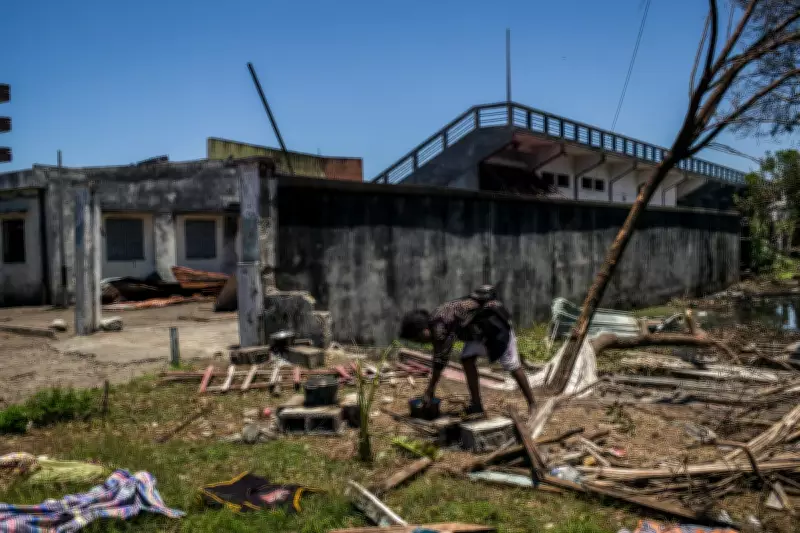
The multi-sports gymnasium in Toamasina stands as one visible example of the structural damage inflicted by Cyclone Gezani, with images showing significant destruction to the facility. As recovery efforts begin, Madagascar faces the daunting challenge of rebuilding while preparing for potential further weather threats in the coming days.