Lyrid Meteor Shower 2026: A Spectacular Celestial Display Peaks This Week
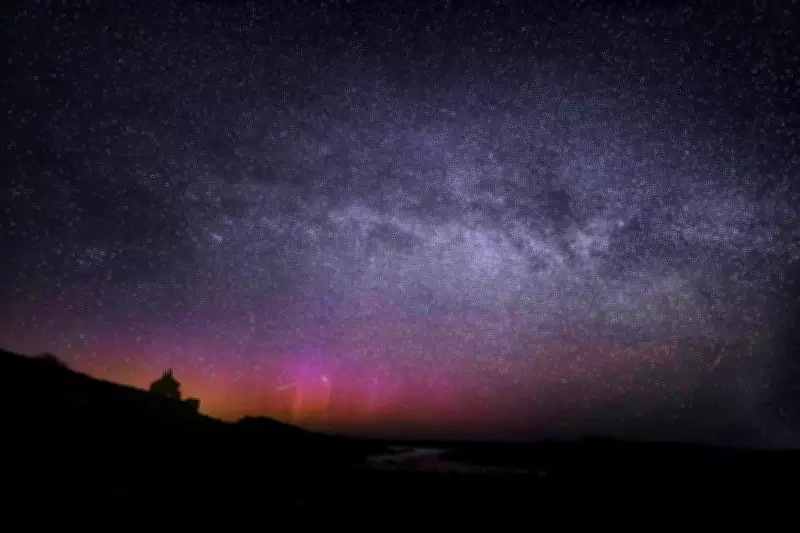
The annual Lyrid meteor shower is set to illuminate the night sky with a breathtaking display, reaching its peak from Tuesday night into Wednesday morning. According to NASA, skygazers can expect to witness between 10 and 20 fiery streaks per hour, creating a truly memorable spectacle enhanced by a dim crescent moon that will set early, ensuring minimal interference.
Global Visibility and Optimal Viewing Conditions
While the Lyrids are visible worldwide, the Northern Hemisphere offers the best viewing opportunities. The crescent moon is predicted to set before the shower intensifies, allowing for darker skies and clearer observations. This alignment makes it an ideal time for enthusiasts to venture out and enjoy the natural fireworks.
Meteor showers occur when Earth passes through debris trails left by space rocks, such as comets. As these fragments enter the atmosphere, they ignite, producing the luminous trails known as shooting stars. The Lyrids originate from the icy comet Thatcher, which orbits the sun only once every 415 years, but its debris creates this annual event.

Historical Significance and Viewing Tips
The Lyrids are one of the oldest recorded meteor showers, with sightings documented for over 2,500 years. To maximize your experience, follow these expert recommendations:
- Go outside after midnight, preferably from 2am onwards, once the moon has set.
- Find a location away from tall buildings and city lights to reduce light pollution.
- Allow 15 to 30 minutes for your eyes to adjust to the dark, and avoid looking at your phone.
- Bring comfortable seating, such as lawn chairs or a sleeping bag, and be patient as meteors may appear sporadically.
Meteors will seem to radiate from the constellation Lyra in the northeastern sky. As astronomer Lisa Will from San Diego City College explains, "A meteor looks like a trail of light in the sky. What you tend to detect is the motion against the background." This visual cue can help observers spot the fleeting streaks more easily.
Looking Ahead to Future Celestial Events
The Lyrids will remain visible until 25 April, providing multiple nights for observation. Following this shower, the next major event is the Eta Aquarids in early May, which result from debris left by Halley's comet. These annual occurrences offer regular opportunities for skywatchers to connect with the cosmos and appreciate the wonders of our solar system.
Whether you're a seasoned astronomer or a casual observer, the Lyrid meteor shower promises a captivating experience. Remember to dress warmly, stay patient, and enjoy the celestial show that has fascinated humanity for millennia.