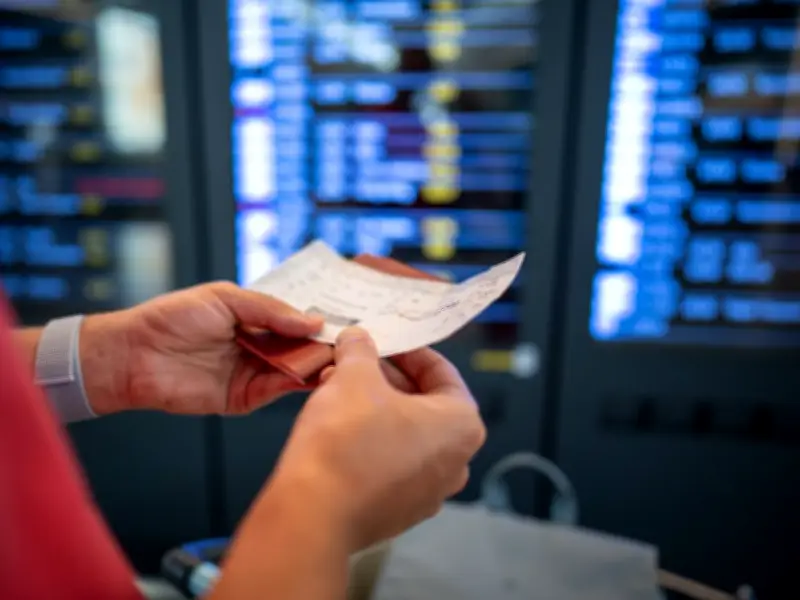
Some air passengers may notice a mysterious four-letter code on their boarding pass. This code, often printed or written by check-in staff, can indicate that you have been selected for additional security screening. Understanding what it means and how to potentially avoid it can help streamline your airport experience.
What Does the SSSS Code Mean?
The code SSSS stands for Secondary Security Screening Selection or Secondary Security Screening Selectee. It is used primarily for passengers traveling to or from the United States. This designation means you have been chosen for extra inspection, and the reasons can vary widely.
How Airlines Indicate Extra Screening
Not all airlines use the SSSS code. Some, like Southwest Airlines, reportedly use a chequerboard pattern on boarding passes to indicate the need for additional screening. Regardless of the method, the implication is the same: you may face enhanced security measures.
Why You Might Be Selected
The Transportation Security Administration (TSA) does not disclose the exact criteria for being flagged. However, certain factors may increase the likelihood:
- Nationals of countries facing sanctions or political tensions with the USA
- Booking one-way tickets
- Paying for fares with cash
- Traveling through high-risk nations
- Frequently visiting 'unusual' locations
- Having a name similar to someone on a watch list
The ACLU has noted that the TSA maintains a Selectee List of individuals automatically selected for enhanced screening on every flight.
What to Do If You Have SSSS
If you see SSSS or a similar code on your boarding pass, do not panic. It typically means you will need extra time for security. You can expect an enhanced pat-down, manual inspection of hand luggage, and possibly a handheld metal detector scan.
To minimize delays, follow your airline's advice on arrival times. In the US, the TSA recommends arriving at least two hours before domestic flights and three hours before international departures.
How to Avoid Future Issues
If you frequently face additional screening, you can apply for the DHS Traveler Redress Inquiry Program (DHS TRIP). If approved, you will receive a Redress Control Number to use when booking flights, which may help streamline your journey.
Remember, the code is not a cause for alarm. It is simply a security measure to ensure safety for all passengers.