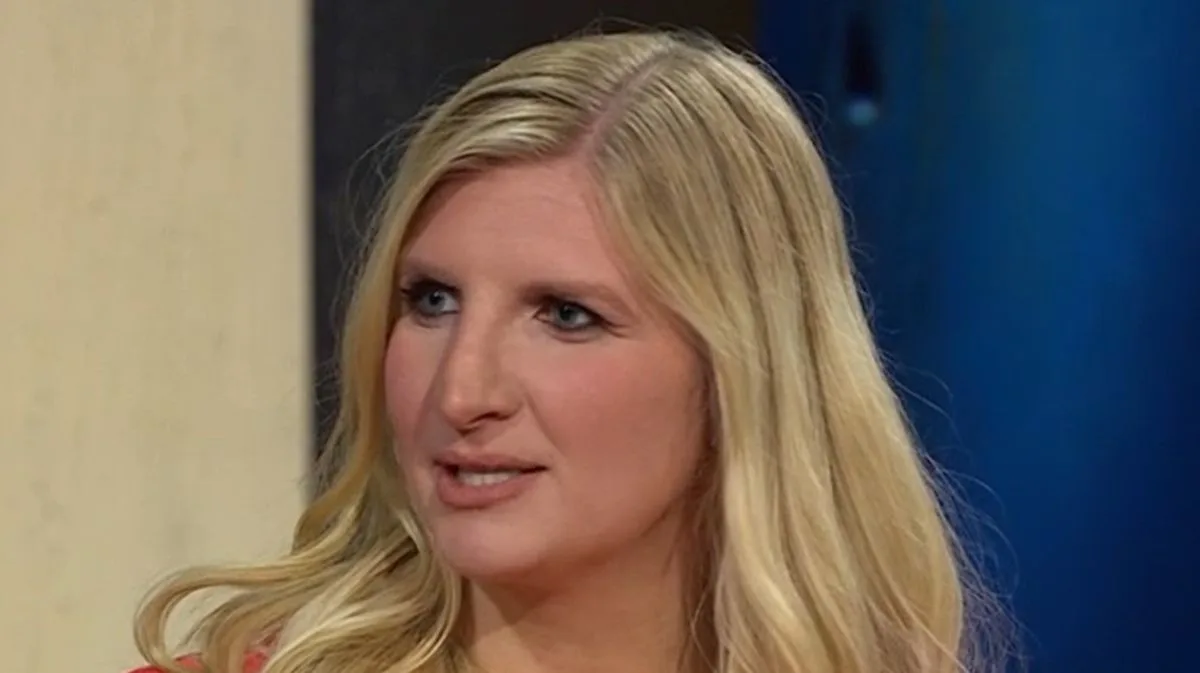
Rebecca Adlington's Emotional Journey Through Loss and Recovery
Olympic swimming champion Rebecca Adlington has courageously shared intimate details about the profound personal challenges she has faced, including two devastating miscarriages and a terrifying health crisis involving her sister. The 37-year-old gold medallist, now an ambassador for the Encephalitis Society, revealed how these experiences prompted her and husband Andy Parsons to seek professional counselling support.
Navigating Grief Through Professional Support
Adlington, who has two children with Parsons plus a daughter from a previous relationship, experienced two heartbreaking pregnancy losses before welcoming daughter Thea Joy Parsons earlier this month. One miscarriage required emergency surgery, adding physical trauma to the emotional devastation. The couple turned to baby loss counselling charity Petals for guidance during this difficult period.
"Andy was really apprehensive at first and I was like, 'Please, can we do this together? Because I think it will help us navigate it,'" Adlington revealed on the Netmums podcast. "It was the best thing we ever did because it just gave us a way to kind of see above those dark clouds. We got to the point where we could speak without bursting into tears."
The counselling proved transformative, with Adlington emphasizing that "The Petals counselling gave us the ability to try again. And actually that in itself is huge."
Anxiety During Subsequent Pregnancy
Adlington's podcast appearance came weeks before Thea's birth, during which she discussed how previous losses affected her throughout the pregnancy. "It's almost like we don't want to jinx anything. If we fully think that this child is coming, will it get taken away from us?" she confessed.
"So many people said to me once we got pregnant, 'Until that baby is in your arms, you are just going to be very anxious. That belief isn't going to be there,'" Adlington added, highlighting the emotional complexity of pregnancy after loss.
Welcoming a Rainbow Baby
On March 3, Adlington announced Thea's birth in an emotional Instagram post that captured her journey's full circle. "What a rollercoaster this whole experience has been. Three years, two miscarriages, 39 weeks carrying our magical rainbow girl and 87 hours in hospital," she wrote.
The timing held special significance, as Adlington noted: "Thea Joy Parsons arrived on 28th February, the very same day my nana, Joyce, passed away. A true full circle moment of life. Joy is a nod to her, and we know Thea will bring us all so much joy."
She concluded with a message of solidarity: "We are so incredibly happy she is home and healthy. I know so many of you are still waiting for your rainbow, and we are thinking of you, sending so much love and support your way."
Family Health Crisis and Childhood Trauma
In a separate but equally traumatic chapter, Adlington recalled a frightening incident from her childhood when her older sister Laura was diagnosed with encephalitis, an inflammation of the brain. The family faced terrifying uncertainty as Laura was placed in an induced coma in intensive care.
"They told us, 'You have got to prepare for the worst. She might not make it through. And if she does pull through, we don't actually know what damage has been done,'" Adlington told the Mirror in February.
She explained the particular fear associated with brain conditions: "When it's associated with the brain, you don't know the damage that's been left behind."
The experience profoundly affected young Rebecca, who witnessed her parents' vulnerability for the first time. "I'd never really seen my dad cry or be upset before ever. You idolise your parents so much when you're younger, your parents know everything, your parents are superhuman. And when my parents didn't have the answer and seeing how worried and upset they were, it naturally affected us," she reflected.
This childhood trauma, combined with her recent pregnancy losses, has given Adlington unique perspective on resilience and recovery. Her openness about seeking counselling and navigating multiple family health crises provides a powerful example of addressing mental health challenges while celebrating life's joyful moments.