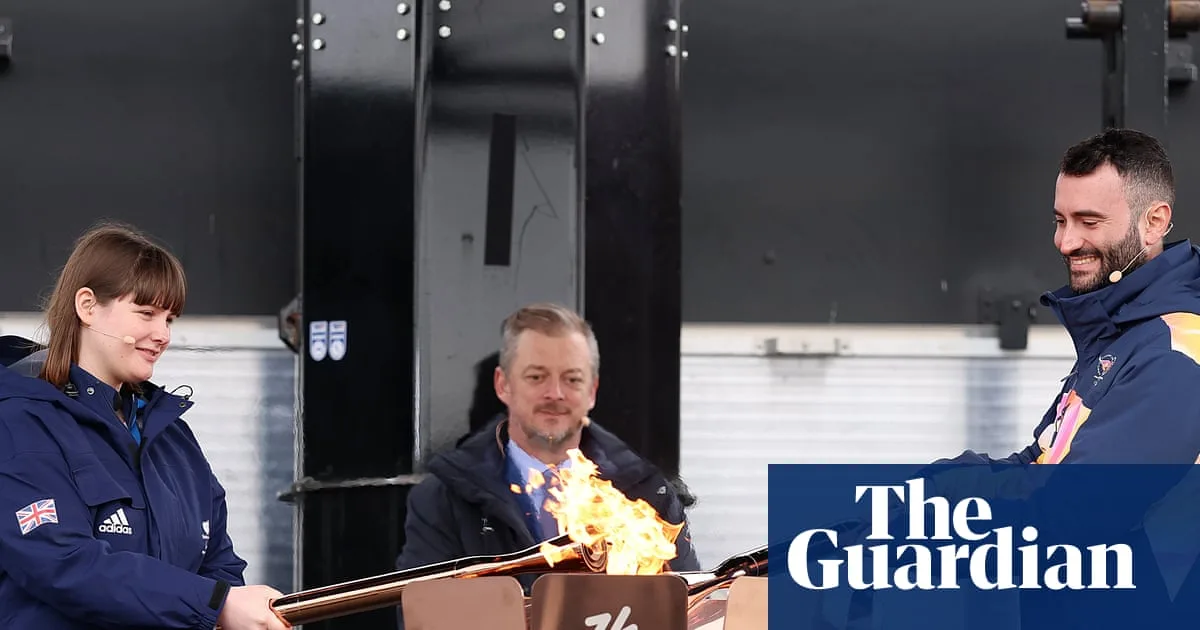
Winter Paralympics Navigates Diplomatic Storm Over Russian Participation
The 2026 Winter Paralympic Games in Milano Cortina have commenced with the traditional torch relay, yet the celebratory atmosphere is overshadowed by escalating diplomatic tensions. The International Paralympic Committee's (IPC) recent decision to invite ten Russian and Belarusian athletes to compete has triggered widespread criticism and threats of a boycott during the opening ceremony.
International Backlash and Political Condemnation
Ukrainian President Volodymyr Zelenskyy has led the charge against the IPC's ruling, describing it as "dirty" and contrary to European values. His sentiments have been echoed by numerous European politicians, including Italy's Foreign Minister Antonio Tajani, who has publicly called for the decision to be reversed. The United Kingdom's Culture Secretary, Lisa Nandy, has labeled the move "completely the wrong decision," while European Commissioner for Sport Glenn Micallef has announced his intention to boycott the opening ceremony in protest.
The controversy centers on next Friday's opening ceremony at the Verona Arena, where a growing number of nations may be absent. Ukraine has confirmed it will not send any athletes or officials, with the Netherlands, Estonia, Lithuania, Poland, and Finland expected to join the boycott. Several other countries have indicated that their athletes will skip the event due to scheduling conflicts, with volunteers carrying their flags instead. Great Britain will be among those with reduced representation, citing the early start of alpine skiing events in Cortina, located 150 miles away.
IPC's Struggle to Maintain Unity
IPC President Andrew Parsons has spent the past week attempting to mediate the growing rift within the Paralympic community. At a media event in Milan, Parsons expressed hope that the ceremony would not become politicized, emphasizing that there are "different ways and spaces to send messages and express views freely." However, he acknowledged his "deep disappointment" at the prospect of a boycott, underscoring the challenges facing the Games.
The IPC initially banned Russian and Belarusian participation following the 2022 invasion of Ukraine but amended its policy a year later to allow individuals to compete as "neutral athletes" at the 2024 Paris Games. Last year, IPC member countries voted to end the ban altogether, citing reasons ranging from separating politics from sport to perceived inconsistencies in treatment compared to other nations. Despite resistance from some Paralympic sporting bodies, a Russian appeal to the Court of Arbitration for Sport compelled the International Ski and Snowboard Federation to comply with the IPC's ruling.
Historical Context and Future Implications
The inclusion of Russian athletes, including three-time Paralympic champion alpine skier Alexey Bugaev and world-level medalists Ivan Golubkov and Anastasiia Bagiian, has reignited debates about the role of geopolitics in sports. Historically, the IPC has managed to avoid such complexities, but the current situation threatens to undermine the Paralympics' reputation as a platform for disability rights advocacy.
Despite the controversy, the 2026 Winter Paralympics are set to be the largest yet, featuring debut appearances from Portugal, El Salvador, Haiti, and North Macedonia. With more events scheduled and high-profile athletes like the USA's Oksana Masters, Italy's Giacomo Bertagnolli, and Britain's Menna Fitzpatrick competing, the Games hold significant potential to promote disability sport. However, overcoming the diplomatic challenges will be crucial to realizing this opportunity.
As the Paralympic flame continues its journey through the Dolomites, the IPC faces a delicate balancing act between inclusivity and geopolitical sensitivities. The outcome of this dispute may set a precedent for future international sporting events, highlighting the enduring tension between athletic competition and global politics.