Ukrainian Artist Hails Banned Olympic Helmet as Act of Great Heroism
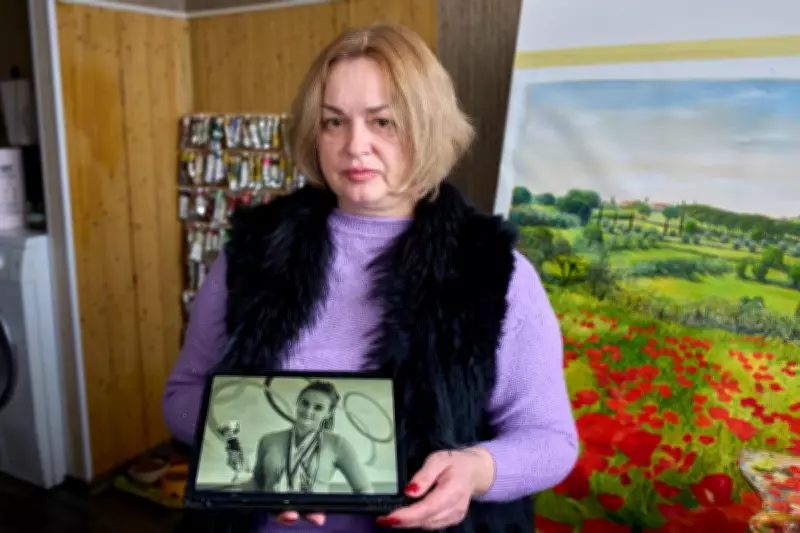
The artist who painted a controversial helmet that led to Ukrainian skeleton racer Vladyslav Heraskevych being barred from the Milan-Cortina Winter Olympics has described his refusal to stop wearing it as "a great act of heroism." Iryna Prots, a 52-year-old Ukrainian artist, meticulously painted portraits of over 20 Ukrainian athletes and coaches killed since Russia launched its full-scale invasion in 2022 onto Heraskevych's helmet.
International Controversy and Olympic Ban
The helmet drew significant international attention after the International Olympic Committee ruled it violated rules prohibiting political messages at the Games. Heraskevych's insistence on wearing the tribute piece resulted in his disqualification from the competition. "He could have refused, he could have said, 'Fine, I'll wear another helmet and fight for a medal,'" Prots told The Associated Press from her home in Kyiv. "He didn't do that. To stand up for his truth — that is great heroism."
Heraskevych himself conceived the idea for the helmet design, and his father, a longtime friend of Prots, asked her to execute the painting. "It had to be done, and it had to be finished in time," Prots explained. "These were athletes who could have been standing there at the Olympics, but they are no longer here."

Emotional Weight and Artistic Departure
Working from photographs of the fallen athletes and coaches, Prots described the emotional burden of the project as immediate and profound. "This is pain — pain for our country," she said. "For the fact that we lost Olympic champions, essentially, and coaches who were raising this generation of Olympic champions."
The project represented a stark departure from Prots' usual artistic focus on Tuscan landscapes, which are regularly exhibited in a small gallery in the Italian town of Montepulciano. She travels to Italy several times annually and noted that these visits have reinforced her belief that many Europeans remain inadequately informed about the harsh realities of the war in Ukraine.
Broader Message About War and Sport
"I understand that when a war is somewhere far away, people get used to it," Prots reflected. "They have their own lives. But we are fighting every day. Fighting to survive." She emphasized that the stories of the athletes depicted on the helmet deserve global recognition, particularly as international sporting events continue while the conflict persists.
"The Olympics are supposed to symbolize peace," she stated. "But today it's hard for me to understand how there is celebration, anthems, dancing and singing, while we live under air raid sirens and bombs."
Art as Resistance Amidst Conflict
Despite constant Russian air attacks on Ukraine's capital, Prots affirmed her commitment to continue painting. "I keep painting beauty and nature," she declared. "It's a form of resistance of my soul — believing that peace will return and that birds will sing in the fields again, not sirens."
The helmet tribute has sparked broader conversations about the intersection of politics, sport, and remembrance during times of conflict, highlighting the personal sacrifices and ongoing struggles faced by Ukrainian athletes and citizens alike.