Spanish Club Abandons World Cup Hosting Ambitions After Major Stadium Investment
In a surprising turn of events, Spanish football club Deportivo de la Coruña has officially withdrawn from its role as a host venue for the 2030 FIFA World Cup. This decision comes despite the club having already invested approximately £100 million in stadium upgrades, highlighting a significant shift in priorities for the second-division side.
Financial Realities Trump Prestige of Global Tournament
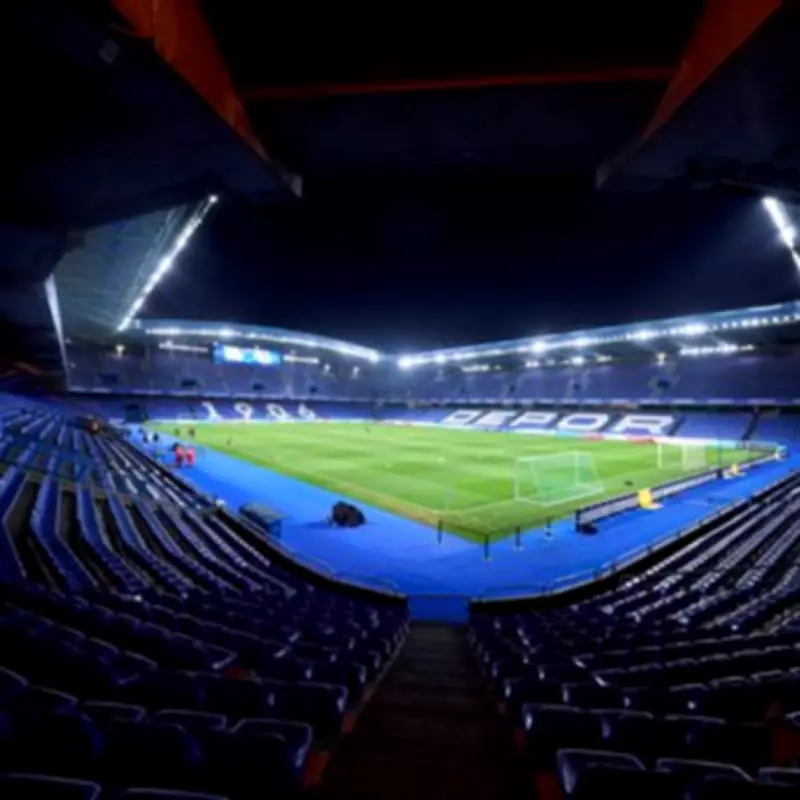
The 2030 World Cup, set to be jointly hosted by Spain, Portugal, and Morocco, initially included Deportivo's Riazor Stadium as one of its venues. However, this selection was contingent upon the stadium meeting FIFA's minimum capacity requirement of 40,000 spectators, necessitating an expansion from its current 32,490 seats.
Club president Juan Carlos Escotet explained the rationale behind the withdrawal in a detailed statement. "We are making significant improvements to the stadium with a clear objective: to offer a better matchday experience to our fans, who truly deserve it," he said. "Deportivo's ownership has already made an extraordinary effort with more than €100 million invested in the last two years, primarily aimed at improving the club's financial health and building a competitive squad."

Escotet further elaborated on the financial impracticality of the expansion project. "Thinking about doubling its capacity not only lacks practical sense but would also lead to a significant drop in revenue due to excess capacity during the construction period," he stated. "It would require an enormous level of investment given other social needs. We see no financial justification for doubling the stadium's capacity when it is not necessary. It is a sports facility, and, therefore, it should be treated as such."
Stadium Upgrade Scaled Back to Focus on Core Football Operations
Initial plans had envisioned increasing the Riazor Stadium's capacity to 48,000 seats, well above FIFA's requirements. Work had already commenced on these upgrades, but the club has now confirmed it will scale back the restructuring efforts. This strategic pivot allows Deportivo to concentrate resources on its primary objectives: securing promotion back to La Liga and ensuring long-term financial stability.
The club currently occupies second place in the Spanish second division, positioning itself strongly for a return to the top flight it last won in the 1999/2000 season. This sporting ambition appears to have taken precedence over the prestige of hosting World Cup matches.
Impact on 2030 World Cup Hosting Landscape
Deportivo's withdrawal leaves a vacancy in the tournament's venue lineup. In Spain, other confirmed host stadiums include:
- Real Madrid's Bernabéu
- Barcelona's Camp Nou
- Atlético Madrid's Wanda Metropolitano
- Athletic Club's Anoeta Stadium
Portugal will feature matches at Benfica's Estadio da Luz and Sporting CP's José Alvalade stadium. Meanwhile, Morocco is constructing a new Hassan II stadium with a planned capacity of 115,000 spectators, underscoring the contrasting approaches to tournament infrastructure across the host nations.
This development raises questions about the balance between sporting prestige and financial prudence in modern football. While global tournaments like the World Cup offer unparalleled exposure, Deportivo's decision demonstrates that clubs must carefully weigh these benefits against substantial economic realities and their core sporting missions.