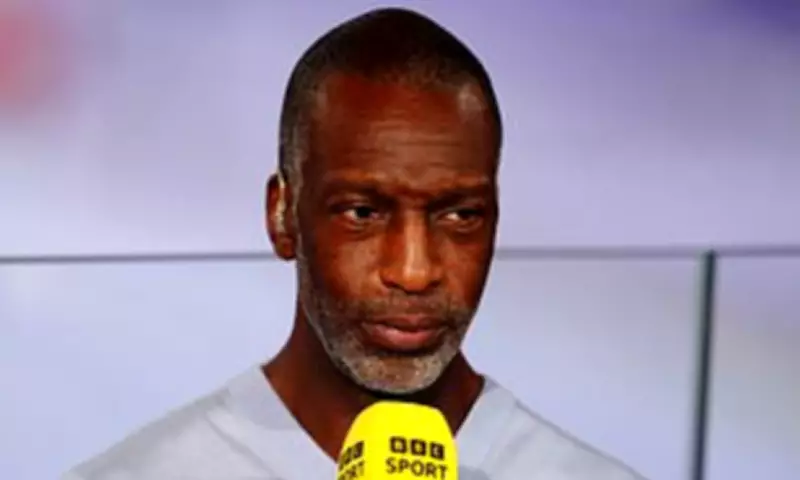
For the second consecutive year, Olympic icon Michael Johnson will be conspicuously absent from the BBC's athletics broadcasting team, marking a significant departure from his longstanding role that began in 2001. The 58-year-old four-time Olympic champion has not worked with the broadcaster since the conclusion of the 2024 Paris Olympics, as he shifted focus to his troubled Grand Slam Track league venture.
Grand Slam Track's Financial Collapse
The Johnson-backed project, which vowed to revolutionize track athletics with lucrative prizes and elite billing, filed for bankruptcy in December 2025. The league now faces staggering liabilities estimated between £7.4 million and £37.4 million owed to more than 200 creditors, including prominent athletes.
Athletes Left in Financial Limbo
Among those affected are British runners Josh Kerr, Matt Hudson-Smith, and Daryll Neita, alongside American 400m hurdles world record holder Sydney McLaughlin-Levrone. Olympic silver medallist Josh Kerr expressed his frustration to BBC Sport, stating, 'Of course I'm frustrated - I'm owed a lot of money. In any business, anyone is going to be frustrated with that. I just don't particularly know right now where to push those frustrations.'

Kerr emphasized that he doesn't believe the situation stems from malicious intent, saying, 'I don't think these are bad people. I'm standing with the people that I signed with. I think that they are good people. I think this is just a horrible situation.'
Neita's Perspective on the Debacle
Daryll Neita echoed these sentiments, telling BBC Sport, 'Even one penny being owed is a significant amount. It's kind of crazy. I sometimes think, "I really want my money." An athlete deserves what they're promised.' She added, 'I wouldn't want it to be like, "Michael Johnson was a bad man." I don't even think that's what it is. He's one of the most respected athletes in the world.'
Johnson's Controversial $500,000 Payment
According to court filings in the United States, Johnson has been accused of paying himself £374,690 ($500,000) days before informing athletes that the final GST event was cancelled due to insufficient funds in June 2025. This payment allegedly occurred despite Johnson's awareness of the league's dire financial situation before the aborted Los Angeles meet.
Lawyers representing unpaid vendors stated in a filing at the United States Bankruptcy Court for the District of Delaware, 'Shockingly, Mr Johnson elected to secretly prefer himself over the athletes and other, non-insider creditors, while at the same time feigning to the public that he was selflessly looking to advance the interests of the athletes.'
Bankruptcy Settlement Controversy
The situation has escalated as an official committee of unsecured creditors fights against GST's proposed settlement plan. The league's proposal would pay general unsecured vendors only 1.5% of what they're owed, while offering critical athletes and vendors 85% of their claims. This disparity has further complicated the already tense financial recovery process.
Johnson's Statement and Legacy Impact
In a statement from August, Johnson expressed remorse, saying, 'It is incredibly difficult to live with the reality that you've built something bigger than yourself while simultaneously feeling like you've let down the very people you set out to help. We promised that athletes would be fairly and quickly compensated. Yet, here we are struggling with our ability to compensate them.'
The Grand Slam Track league's collapse began when a key backer withdrew after the inaugural event in Jamaica in 2024, causing the ambitious project to quickly unravel. Johnson's absence from BBC coverage serves as a tangible consequence of these financial troubles, removing one of athletics' most recognizable voices from British broadcasting during a crucial Olympic cycle.