Kyle Walker Opens Up About Retirement Timeline and Mental Challenges
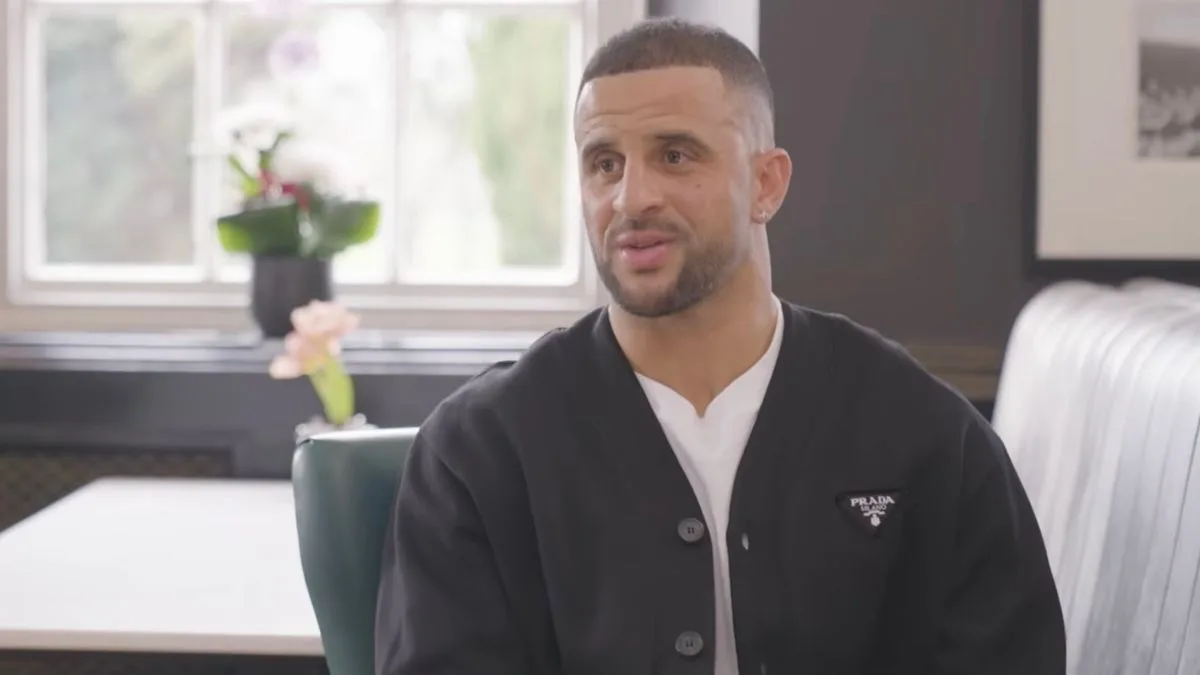
Premier League veteran Kyle Walker has candidly discussed his plans to retire from professional football when he feels he can no longer perform at the highest level. The 35-year-old right-back, who joined Burnley last summer, admitted the transition has been mentally taxing after his trophy-laden spell with Manchester City.
Navigating the Twilight of a Storied Career
Walker, who will turn 36 in May, revealed the physical and psychological adjustments required as his career progresses. "I'm feeling good, but it takes longer to recover; I can tell you that one million percent," Walker stated during an interview on The Overlap, brought to you by Sky Bet. "Probably now I'm doing a lot more defending than I've ever done in my career, but I feel good."
The defender emphasized the mental battles footballers face as they age. "It's more for me upstairs [referring to the mental side], and you fight your little battles in your head if you can keep doing it. I don't want to tarnish what I've done, but I also have a level of respect for myself that I'll do it on my terms."
The Uncertainty of Life After Football
Walker expressed apprehension about his post-retirement future, having dedicated his entire life to the sport since joining Sheffield United's academy at six years old. "Suddenly, if you take that away from me, what am I going to do? What do I go into?" he pondered. "I've not done anything else in my whole entire life except football, so it's a big part of me, and to let it go, it's hard. But sometimes you have to let it go when you're not good enough anymore."
He articulated his retirement philosophy clearly: "Leave the game before the game leaves you. I feel once that time in my head comes where I'm done, I'd have to be true to myself."
Adjusting to Burnley After Manchester City Glory
Walker's £5 million move to Burnley last summer has presented significant challenges, with the club struggling in the Premier League under Scott Parker. "It's been mentally tough going from Manchester City to Burnley," Walker confessed. "In your head, to be at the club that you've been, experience what you've experienced and playing with people that I've played with, and this is no disrespect to Burnley whatsoever."
He praised Burnley's environment despite the difficulties: "The dressing room is class. I've never felt uncomfortable being there. The players welcomed me with open arms. That's something that needs to stay there because it's a proper family-orientated club."
Walker highlighted the competitive gap between divisions: "The Premier League is completely different to the Championship. On occasions, you can flutter through games in the Championship because you know you've got some of the best players in the league, but in the Premier League, you make a mistake and you get punished."
International Retirement and Sheffield United Dream
Walker recently announced his retirement from international football after earning 96 caps for England, ranking tenth on the country's all-time appearance list. His last England appearance came in a 2-0 World Cup qualifier victory against Albania in March 2025, after which he was replaced by Reece James.
Looking ahead, Walker revealed his desire to return to his boyhood club before retiring. "I'd like to keep playing for another few years. It's always been a dream to play for Sheffield United again," he shared. "To start there at six years old and then leaving at 19 – I spent so many incredible years there. I hope to play for them again. I don't know when that will be. I don't know if they will want me."
A Legacy of Success
During his eight-year tenure at Manchester City, Walker secured an impressive 17 trophies, establishing himself as one of England's most decorated defenders. His international career spanned four managers – Fabio Capello, Roy Hodgson, Gareth Southgate, and Thomas Tuchel – though recent snubs from Tuchel contributed to his decision to retire from England duty.
As Walker contemplates his remaining years in football, his reflections underscore the psychological complexities athletes face when transitioning from elite competition to retirement, particularly after experiencing the pinnacle of club success with Manchester City.