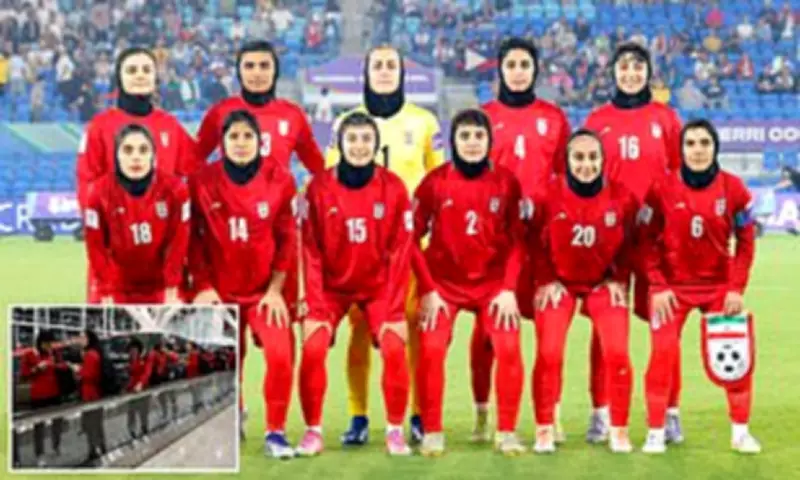
In a significant reversal, three additional members of the Iranian women's football team, who had initially sought asylum in Australia following their participation in the Asian Cup, have opted to return to their home country. Home Affairs Minister Tony Burke confirmed this development in a statement released on Sunday morning, revealing that the defectors had changed their minds after discussions with Australian officials.
Minister Burke Announces Decision
Tony Burke detailed the situation, stating, 'Overnight, three members of the Iranian Women’s Football Team made the decision to join the rest of the team on their journey back to Iran.' He emphasized that after informing Australian authorities of their choice, the players were provided with multiple opportunities to explore alternative options and discuss their circumstances thoroughly.
Context of the Asylum Seeker
This announcement follows a previous revelation by Burke on Wednesday, where he disclosed that one defecting player had already contacted the Iranian embassy to reverse her decision and arrange a return home. The latest development significantly alters the landscape of the asylum seekers, reducing the number of team members remaining in Australia from seven to just three.

The Iranian women's football team had previously attracted intense scrutiny and backlash from their home regime after refusing to sing the national anthem during an Asian Cup match held on the Gold Coast. This act of defiance sparked widespread attention and likely influenced the initial asylum bids.
Travel Arrangements and Aftermath
Most of the team members have since flown back to Iran via Kuala Lumpur earlier this week, as part of their repatriation efforts. The decision by these three players to return home underscores the complex and often precarious nature of asylum-seeking processes, particularly for athletes facing political pressures.
As the situation continues to evolve, further updates are anticipated regarding the remaining three team members who are still in Australia. Their future decisions will be closely monitored, given the broader implications for sports, politics, and human rights in the region.