Iran World Cup Boycott Looms After US Strikes, Replacement Teams Considered
Iran World Cup Boycott Threat Over US Strikes, Replacements Eyed

Iran Considers World Cup Boycott Amid Escalating Tensions with US and Israel

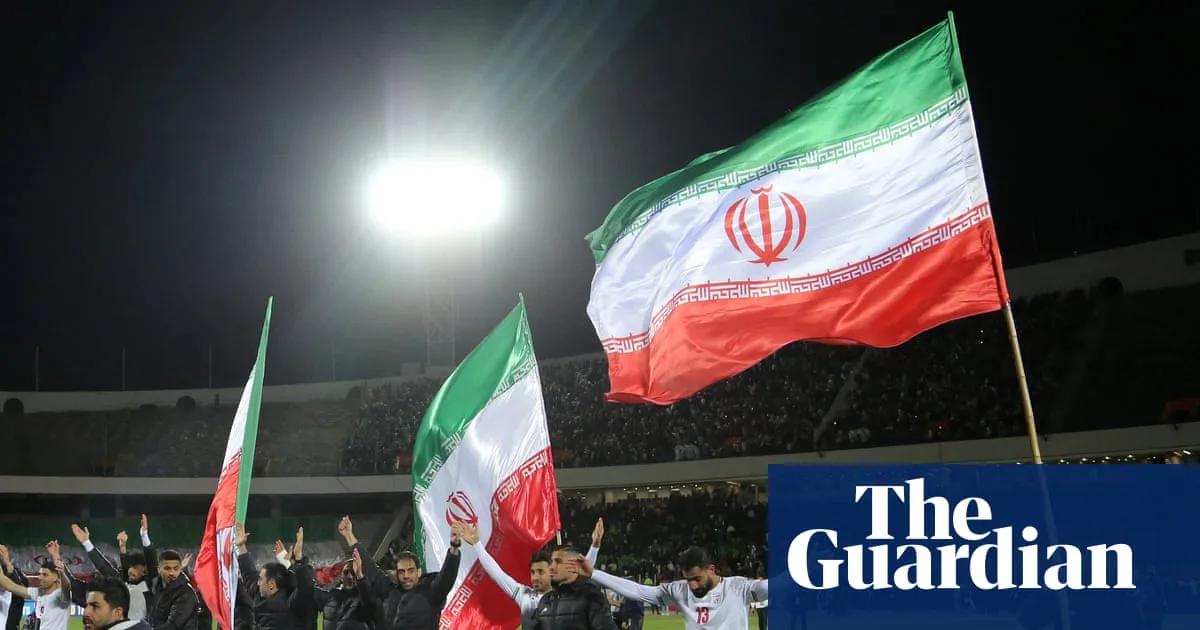
The possibility of Iran boycotting the 2026 FIFA World Cup has intensified after recent military strikes by the United States and Israel, raising unprecedented questions about the tournament's stability and potential team replacements. Iran previously abstained from the World Cup draw in November, and tensions have since surged, with the country's football officials expressing deep concerns over participation.

Official Statements and Political Backdrop

Mehdi Taj, president of Iran's football federation, told sports news outlet Varzesh3 that it is "hard to look at the World Cup with hope" following the attacks. He indicated that a response is being studied by high-ranking sports officials, though no definitive decision has been made. FIFA Secretary General Mattias Grafstrom acknowledged the situation, stating it is "too early to comment" but that developments will be closely monitored.

Former US President Donald Trump responded dismissively, telling Politico, "I really don't care. I think Iran is a very badly defeated country. They're running on fumes." Iran's group matches are scheduled in the US, with games in Los Angeles and Seattle against New Zealand, Belgium, and Egypt, adding logistical and diplomatic complexities.

Historical Context and Precedent

No team has ever boycotted the World Cup on political grounds, with the last boycott occurring 60 years ago by African teams over qualifying issues. The current scenario is unique, as a host nation has attacked a qualified team just months before the tournament. Previously, Iran boycotted the World Cup draw due to visa restrictions, citing "unsportsmanlike actions" by the US, which denied a visa to Mehdi Taj.

Athletes were exempt from Trump's travel ban, but security risks could lead to further restrictions. European countries previously discussed boycotts over US threats to annex Greenland, highlighting how geopolitical tensions can spill into sports.

Potential Consequences and Replacement Scenarios

FIFA's regulations state that if a team withdraws or is excluded, the organization can replace them at its discretion. Iran qualified automatically, making the United Arab Emirates, which missed out on automatic qualification, the closest replacement. Iraq could also be an option if they advance through intercontinental play-offs, though regional instability complicates matters.

FIFA has precedent from last summer when Club Leon was removed from the Club World Cup over ownership rules, leading to a play-off for replacement. Additionally, FIFA reserves the right to cancel, reschedule, or relocate matches due to safety or security concerns, potentially moving Iran's games outside the US.

Broader Implications and Future Outlook

The uncertainty extends to potential matchups, such as a possible US-Iran game if both teams advance as runners-up in their groups, scheduled for Arlington, Texas. With four months until the tournament, FIFA faces a delicate balancing act between sports diplomacy and global politics. The situation underscores how international conflicts can disrupt major sporting events, with Iran's decision pending further developments in the Gulf region.