Cruises are marketed as floating vacations, but they also serve as valuable laboratories for understanding public health. Cruise ships are meticulously designed environments where thousands of people live, eat, relax, and move through shared spaces for days on end. They vividly demonstrate how easily illness can propagate when individuals are densely packed into a single interconnected habitat.
The Floating City Analogy
Think of a cruise ship as a temporary city at sea. It boasts restaurants, theaters, elevators, cabins, kitchens, water systems, and indoor gathering spaces. While this is great for convenience, it also means that once an infection gets on board, it can traverse the ship in ways that are extremely difficult to halt.
Notable Outbreaks
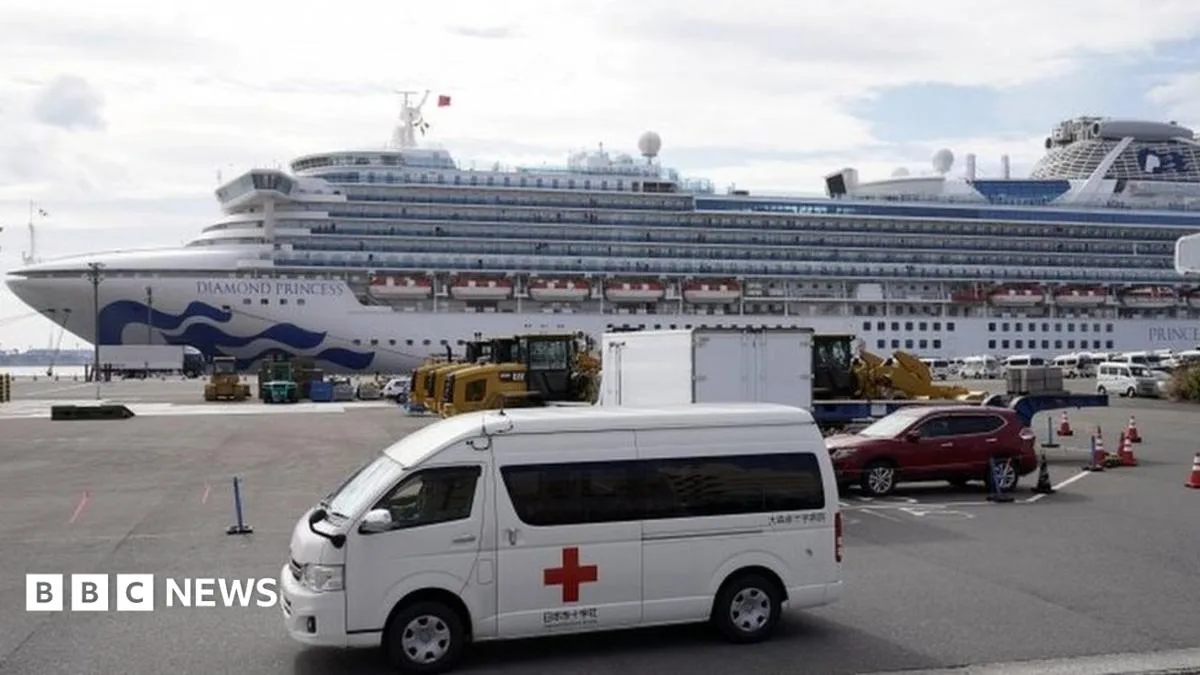
The Diamond Princess Covid-19 outbreak is perhaps the most infamous example. In February 2020, 619 passengers and crew on the ship tested positive for the disease. Researchers found that the ship's conditions facilitated the spread of the novel coronavirus. Their modeling suggested that public health measures, such as isolation and quarantine, prevented many more cases, but it also indicated that an earlier response would have further limited the outbreak.
Norovirus (commonly referred to as the stomach bug) is the infection most closely linked to cruise ships. In a review of previously published studies, researchers identified 127 reports of norovirus outbreaks on cruise ships, with many linked to contaminated food, contaminated surfaces, and person-to-person spread. A more recent report from the CDC's Vessel Sanitation Program also showed that norovirus, which strikes 20 million Americans per year, can spread very rapidly from person to person on a cruise ship.
Legionnaires' disease, a serious lung disease caused by Legionella bacteria, presents a different kind of risk. Affecting 6,000 to 10,000 Americans every year, it is not usually spread directly from one person to another. Instead, people can get infected by breathing in tiny droplets from contaminated water systems, hot tubs, or showers. One 1994 outbreak among 50 cruise passengers was linked to a whirlpool spa, and recent reports from the CDC have described other cruise-associated Legionnaires' disease outbreaks linked to ship water systems like outdoor hot tubs.
These outbreaks help explain why ships such as Celebrity Mercury, Explorer of the Seas, and Carnival Triumph have become familiar names in outbreak reports. These were not unusual in some special way; they were simply settings where shared dining, close contact, and frequent movement through common areas allowed infection to spread rapidly.
Recent Hantavirus Concerns
Now, as three passengers aboard the Dutch-flagged MV Hondius cruise ship have died from hantavirus, and at least eight others have been sickened, many health experts fear another serious outbreak is on the horizon. Hantavirus, which is primarily spread by rodents, is rare on ships. However, as the MV Hondius outbreak unfolds, germs in close quarters find it much easier to spread.
Risk Factors on Cruise Ships
Food service plays a big part in the risk associated with cruise ships. Buffet-style dining, shared utensils, and many people touching the same surfaces can make it easier for stomach bugs to spread. If someone is infected but does not yet feel sick, they may still contaminate food or surfaces before they realize they are ill.
The ship's design adds to the problem. People spend time together in dining rooms, bars, elevators, corridors, theaters, and spa areas. Crew members also live and work in the same environment, often in shared accommodation, so illness can move through the ship from passenger to passenger or between passengers and crew.
Ventilation also plays a crucial role. Cruise ships are not closed boxes, but they do rely heavily on indoor spaces where people spend long periods together. Studies into cruise ship air quality have shown that illness can spread more easily in crowded, enclosed spaces, like cabins, restaurants, and entertainment venues, if the ventilation system is not up to par. Things like adequate fresh air circulation, specialist filters, and air-purifying technology all play a role in keeping passengers safe.
Age also matters. Cruise vacations are especially popular with older adults, and many passengers have long-term health conditions that make infections more serious. A stomach bug on a cruise can lead to dehydration, and a respiratory infection can lead to pneumonia or hospitalizations. Cruise ships do have medical facilities, but they are limited compared with land-based hospitals. They are built to give first aid, basic treatment, and short-term care, not to manage a fast-moving outbreak on a large scale. That is why cruise health depends so much on early reporting, quick isolation, and strong cleaning practices.
How to Limit Your Risk
For travelers, the best protection starts before boarding. It is sensible to check whether the cruise line has clear illness reporting, cleaning, and isolation policies. Make sure your routine vaccines are up to date. For older adults, pregnant women, and anyone with health problems, consult your primary care doctor before traveling. Also, ensure your travel insurance covers illness-related disruptions.
Once on board, washing your hands with soap and water is the most useful step for preventing stomach bugs like norovirus. Hand sanitizer can help, but it does not replace soap and water. If you start to feel sick, the safest move is to avoid buffets and crowded shared spaces and report symptoms early rather than trying to carry on as normal.
Cruise lines have improved their hygiene and outbreak response systems over time, and many voyages pass without incident, but the basic structure of cruise travel still creates the same challenge: many people sharing the same meals, the same air, the same water systems, and the same common spaces. That is why outbreaks keep returning, and why cruise ships remain a useful reminder that public health is shaped as much by design as by germs.