Iran's World Cup Future Uncertain After Escalating US-Iran Tensions
The possibility of Iran boycotting the 2026 FIFA World Cup has intensified dramatically following recent military strikes by the United States and Israel against Iranian targets. This development creates an unprecedented political crisis for international football's premier tournament, scheduled to be hosted across North America this summer.
Political Statements Fuel Participation Doubts
Former US President Donald Trump has publicly questioned whether Iran's national soccer team should compete in the World Cup under current circumstances. On his Truth Social platform, Trump stated: "The Iran National Soccer Team is welcome to The World Cup, but I really don't believe it is appropriate that they be there, for their own life and safety."
This sentiment echoes earlier comments from Iranian Sports Minister Ahmad Donyamali, who indicated that "the conditions for participation do not exist" for Iran to play in the tournament. The country had already demonstrated its willingness to take political stands in football matters by boycotting November's World Cup draw in Washington DC over visa restrictions for delegation members.

Unprecedented Tournament Circumstances
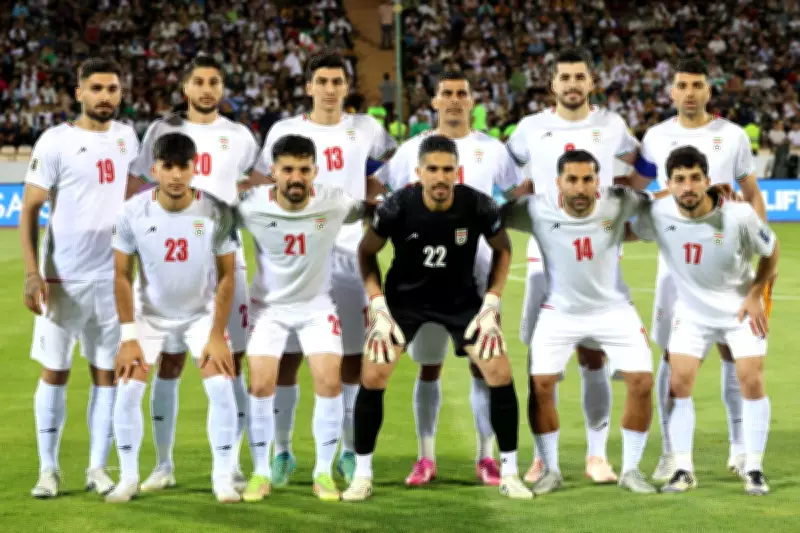
The situation presents FIFA with challenges never before encountered in World Cup history. Never has a host nation attacked a qualified participant so close to tournament commencement, with just four months remaining before the opening match. Iran's scheduled group stage matches would all take place on US soil—two games in Los Angeles and one in Seattle—against New Zealand, Belgium, and Egypt respectively.
Complicating matters further, Iran's supreme leader Ayatollah Khamenei has been killed in the attacks, with his son Mojtaba Khamenei assuming leadership. This political transition occurs alongside the sporting uncertainty, creating a volatile environment for international competition.
Historical Context and Boycott Precedents
While political boycotts of major sporting events have occurred throughout history, the World Cup has remained largely immune. The last significant World Cup boycott occurred sixty years ago when African nations refused participation over inadequate qualifying representation. More recently, European countries discussed potential boycotts when the United States threatened to annex Greenland earlier this year.
The current situation differs fundamentally because it involves direct military action between a host nation and a qualified participant. FIFA President Gianni Infantino previously claimed to have received assurances from Trump that Iran would be welcome, but the organization has remained silent following recent developments.
Potential Replacements and FIFA's Discretion
Should Iran withdraw or be excluded, FIFA regulations grant the organization "sole discretion" to determine replacement procedures. The United Arab Emirates represents the most logical replacement candidate, having narrowly missed automatic qualification before falling in playoff rounds. Iraq could emerge as an alternative depending on their performance in upcoming intercontinental playoffs.
However, regional instability following US strikes complicates any straightforward replacement scenario. FIFA's regulations also allow for match relocation or rescheduling due to security concerns, potentially moving Iran's games from US venues. Intriguingly, tournament scheduling could potentially pit the US and Iran against each other if both finish as group runners-up, creating a politically charged matchup in Arlington, Texas.
Visa Issues and Security Concerns
Even before recent military escalations, political tensions threatened Iran's participation through visa restrictions. The Iranian Football Federation previously boycotted the World Cup draw after the US denied visas to certain delegation members, including federation president Mehdi Taj. While athletes were previously exempt from Trump's travel bans, security concerns could now justify broader restrictions.
FIFA faces complex decisions balancing sporting integrity, political realities, and participant safety. The organization's response—or lack thereof—to recent developments will set important precedents for how international football navigates geopolitical conflicts affecting major tournaments.