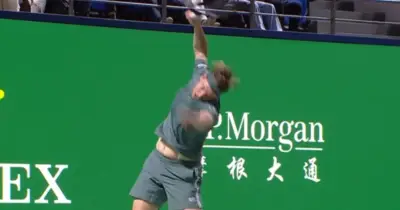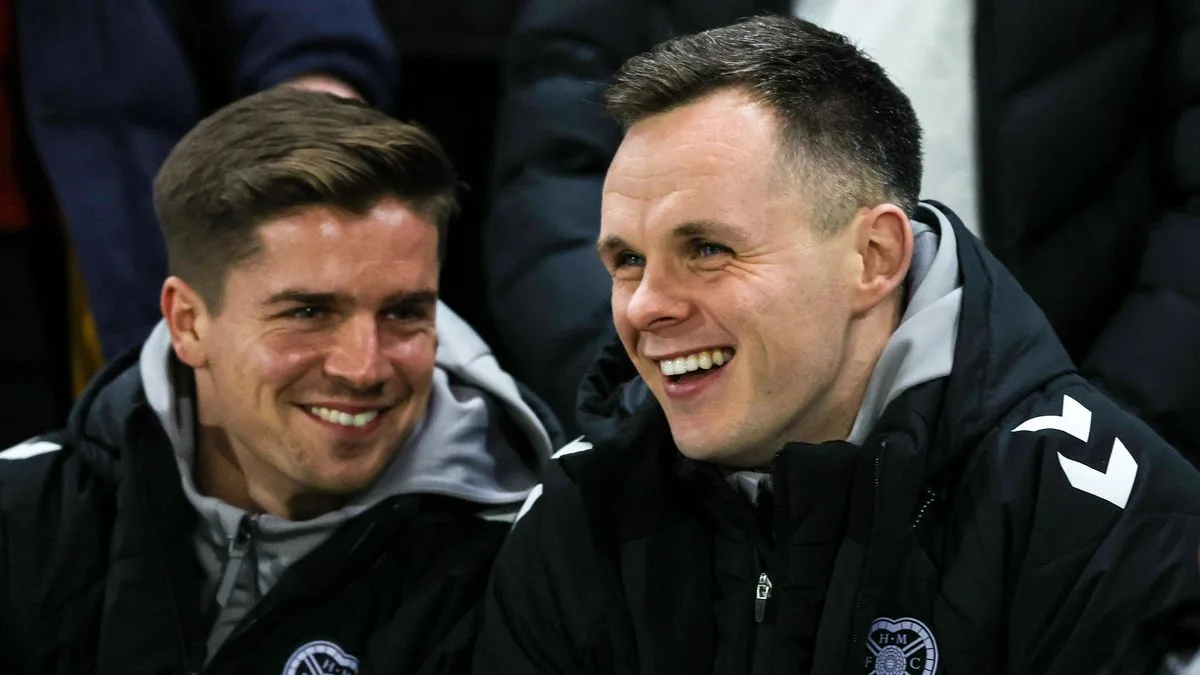
Hearts' Title Ambitions Rest on Shankland's Shoulders as Return Nears
For supporters of Heart of Midlothian Football Club, the past two months have felt like an eternity. The promising season that once shimmered with potential has been clouded by a cruel double injury blow, testing the squad's depth and resilience at the most crucial juncture.
A Fateful Fortnight That Changed the Season's Trajectory
The troubles began on January 14th during what appeared to be a routine league victory over St Mirren. The win came at a significant cost when midfield dynamo Cammy Devlin was forced off with a serious ankle injury. The Australian, who had been arguably the Premiership's standout performer, received a devastating prognosis: two months on the sidelines.
Just three days later, further misfortune struck. A home defeat to Falkirk in the Scottish Cup was compounded by a hamstring injury to talismanic striker Lawrence Shankland, with medical staff predicting a similar recovery timeframe. The dual absences created a void that has proven exceptionally difficult to fill.
The Statistical Evidence of Shankland's Irreplaceable Influence
Shankland's impact before his injury was nothing short of extraordinary. The forward had netted eleven of his fifteen seasonal goals in league matches, including crucial strikes against Rangers at Ibrox and Celtic at Tynecastle that fueled belief in a special campaign.
The numbers reveal a staggering dependency: Shankland had converted 17.3% of his chances before injury, while the rest of the squad managed just 5.5%. When he played, Hearts collected 50 points from 63 available—a remarkable 80% return rate. Without him, that figure plummeted to just 13 points from 30, representing a drop to 43%.
Even beyond goal-scoring, his mere presence on the pitch elevated the entire team's performance. Manager Derek McInnes has been forced to confront the harsh reality that, while football is a team sport, certain individuals carry disproportionate influence.
The Struggle to Compensate for Missing Firepower
Portuguese striker Claudio Braga has shouldered much of the goal-scoring burden in Shankland's absence, netting fifteen times this season. However, only three of those goals have come during the period since Shankland's injury, highlighting how the two forwards typically complement each other's strengths.
Other attacking options have struggled to make similar impacts. Pierre Landry Kabore has managed just four league goals, with only two in sixteen appearances, while Elton Kabangu has yet to find the net in Premiership competition.
The midfield has faced its own challenges. While loan signing Marc Leonard and Tomas Magnusson have helped mitigate Devlin's absence, Magnusson recently suffered a fractured cheekbone that will sideline him for several weeks. His replacement, Oisin McEntee, experienced a recurrence of a shoulder complaint during last weekend's disappointing defeat at Kilmarnock.
A Manager's Monumental Selection Dilemma
With both Shankland and Devlin returning to full training this week, McInnes faces a critical decision ahead of Saturday's match against Dundee. The manager must balance the need to ease his star players back to match fitness against the urgent requirement for three points to maintain their title challenge.
Hearts currently sit two points ahead of Celtic with eight games remaining, but their position at the summit—held since late September—looks increasingly precarious. The psychological importance of entering the international break as league leaders cannot be overstated for a club seeking its first title since 1960.
McInnes must decide: Does he start Shankland against a Dundee side unbeaten in five matches under Steven Pressley, hoping to secure victory before withdrawing him after an hour? Or does he adopt a more cautious approach, keeping his talisman in reserve while hoping Braga and others can deliver?
The Broader Context of an Unusual Title Race
Hearts' cause has been somewhat aided by unusual circumstances across Glasgow. Rangers' top league scorer, Youssef Chermiti, has managed just nine goals, with only one against bottom-six opposition. At Celtic, midfielder Benjamin Nygren leads their scoring with fifteen Premiership goals, while their top-scoring recognized center forward, Johnny Kenny, has netted just four times and is currently playing on loan in England's League One.
This unusual dearth of traditional goal-scoring firepower from the Old Firm has created a rare opportunity, but Hearts must capitalize. Shankland's return could not be more timely, with the narrative of this season—and potentially Scottish football history—likely to be shaped by his performances over the coming two months.
The coming weeks will test Hearts' resilience, McInnes' tactical acumen, and Shankland's ability to immediately recapture his pre-injury form. For a club and support base yearning for glory after six decades of waiting, these final matches represent both opportunity and immense pressure.