Chelsea's Leadership Knew Rosenior's Profile and Must Now Show Patience
When Chelsea appointed Liam Rosenior as head coach just a couple of months ago, the club's hierarchy was fully aware of the type of character they were bringing into the Stamford Bridge hot seat. They understood they were hiring a manager who emphasises concepts like 'respecting the ball' and employs meticulous, if unconventional, tactical methods, such as sending written instructions to players during critical moments of a match.
Early Pressure Mounts After Champions League Humiliation
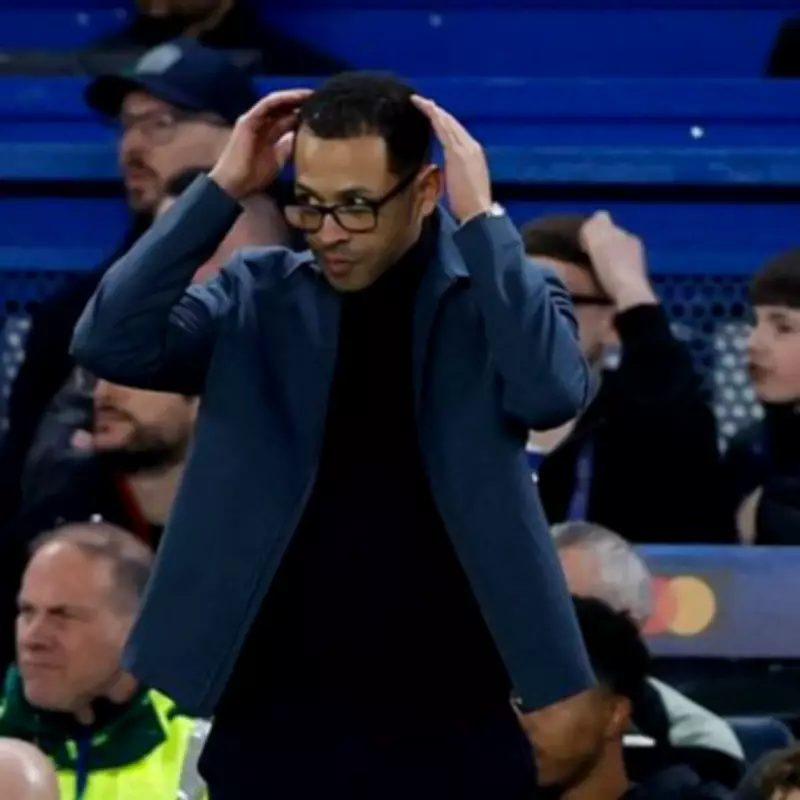
Despite his brief tenure, Rosenior is already under significant scrutiny following a devastating Champions League exit at the hands of Paris Saint-Germain. The heavy defeat has sparked intense debate about his suitability for the role, but it is crucial to remember that Rosenior is navigating an entirely new world of elite football management. Transitioning from a background without prior experience at this level presents a steep learning curve, one that requires time and support from the club's leadership.
This situation mirrors historical precedents in football where managers like Mikel Arteta at Arsenal were given substantial periods to implement their vision, ultimately yielding success. Rosenior's challenge is compounded by Chelsea's internal issues, including a squad with many players on long-term contracts and a recruitment strategy that has often appeared disjointed, contributing to on-field inconsistencies.

Squad Dynamics and Leadership Vacuum Pose Additional Hurdles
The absence of strong leadership within the team has become glaringly evident, as highlighted by Enzo Fernandez's public comments about potentially leaving the club after the PSG embarrassment. While Fernandez boasts impressive accolades, including World Cup victories, his remarks underscore a broader issue of morale and commitment that Rosenior must address. However, transforming team culture and tactical setups cannot be achieved overnight, especially with only nine Premier League matches under his belt, which include narrow defeats and disappointing draws.
Rosenior's methods, sometimes criticised as overly theoretical or reminiscent of management jargon, were precisely what Chelsea anticipated when they promoted him. If the club's decision-makers failed to conduct proper due diligence or now lack the patience to see through this transitional phase, the responsibility for any failure lies with them, not solely with the head coach. In an era where instant results are often demanded, Chelsea must resist the urge for rash decisions and instead provide Rosenior with the necessary time to prove his worth, learning from past successes in football management that prioritise long-term stability over short-term gains.