Whitehall Officials Expressed Serious Concerns About Prince Andrew's Trade Envoy Role
New revelations have emerged showing that Prince Andrew Mountbatten-Windsor caused significant diplomatic discomfort and maintained questionable associations during his tenure as a UK trade envoy, prompting serious concerns among Whitehall officials.
Former Ministers and Officials Describe Royal Liability
Insiders from the former coalition government have disclosed that Andrew was widely perceived as a diplomatic liability, yet terminating his official position was considered politically sensitive due to potential implications for Buckingham Palace.
Vince Cable, who served as Business Secretary in 2011, provided candid assessment of the former Duke of York's performance. "He was thought to be a bit of a freeloader who wasn't very useful, and we'd rather not have any dealings with him," Cable told The Observer. "But because he was royalty, the official line was that, of course, he was doing a wonderful job."

Diplomatic Complaints and Damaging Behaviour
A former Whitehall grandee revealed that ambassadors frequently complained about Andrew's conduct during official engagements. According to the official, embassies would stage elaborate receptions only for Andrew to "arrive late and only talk to the young women and then leave early."
This contrasted sharply with other royal family members, whose visits typically left "everyone feeling delighted." The former prince's personality, the official claimed, "often left bruises behind" in diplomatic circles.
Early Warnings Ignored for Nearly a Decade
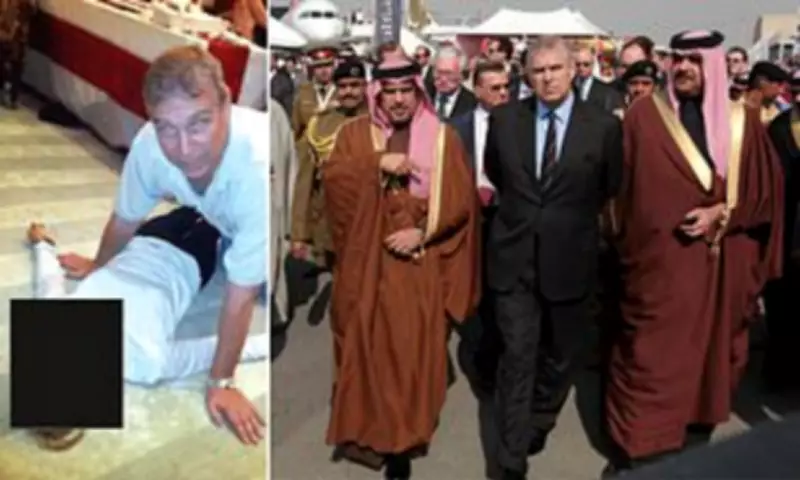
The Mail on Sunday has revealed that British diplomats raised alarms about Andrew's behaviour as early as 2002. Leaked diplomatic papers show that Patrick Nixon, then ambassador to the United Arab Emirates, expressed particular concern following Andrew's November 2001 visit to the region.
"I was particularly alarmed by some crass and offensive remarks about Saudi Arabia and its oil which he made to distinguished Emiratis," Nixon reported. The ambassador further warned that Andrew had rudely disregarded dignitaries, including an Emirati royal, during an embassy reception, claiming he had "damaged rather than enhanced our standing and that of the Royal Family."
Despite these concerns reaching the head of the diplomatic service at the Foreign Office in London, nearly ten years would pass before Andrew was ultimately removed from his trade envoy position.
Questionable Associations and Protocol Breaches
Senior coalition government figures confirmed that officials had raised alarms about Andrew's "dubious friends" and associations. The situation reached a critical point in 2011 when a photograph emerged showing Andrew with his arm around Virginia Giuffre, who has alleged she was sexually exploited by the prince.
Emails released by the US Department of Justice revealed further protocol breaches. Andrew took David Stern, one of Jeffrey Epstein's closest confidants, on a taxpayer-funded trade mission to China in 2010. The emails show Stern was asked to "help" plan the China visit, despite such trips being meant to be organized exclusively by the Government.
Vince Cable expressed outrage upon learning about Andrew's China visit, which occurred just ahead of an important government trip in November 2010. "I now realise he seems to have been there the previous month doing his own negotiations and that nobody had told us about it," Cable stated.
Political Protection and Eventual Removal
Andrew had been recommended for the trade envoy role by New Labour architect Peter Mandelson, whose own reputation has suffered following the release of Epstein-related files. Despite mounting evidence of problematic behaviour and counterproductive diplomacy, Andrew maintained his position for years.
Reports indicate that numerous ambassadors and consuls had provided feedback suggesting Andrew's presence was actually damaging British interests abroad. One senior coalition government figure confirmed that officials consistently raised concerns about the former prince's conduct and associations.

Andrew eventually agreed to relinquish his trade position following a conversation between then-Prime Minister David Cameron and the late Queen Elizabeth II. The revelations have prompted serious questions about why Andrew's activities and behaviour were not subjected to closer scrutiny much earlier, given the substantial concerns expressed by diplomatic and government officials over nearly a decade.