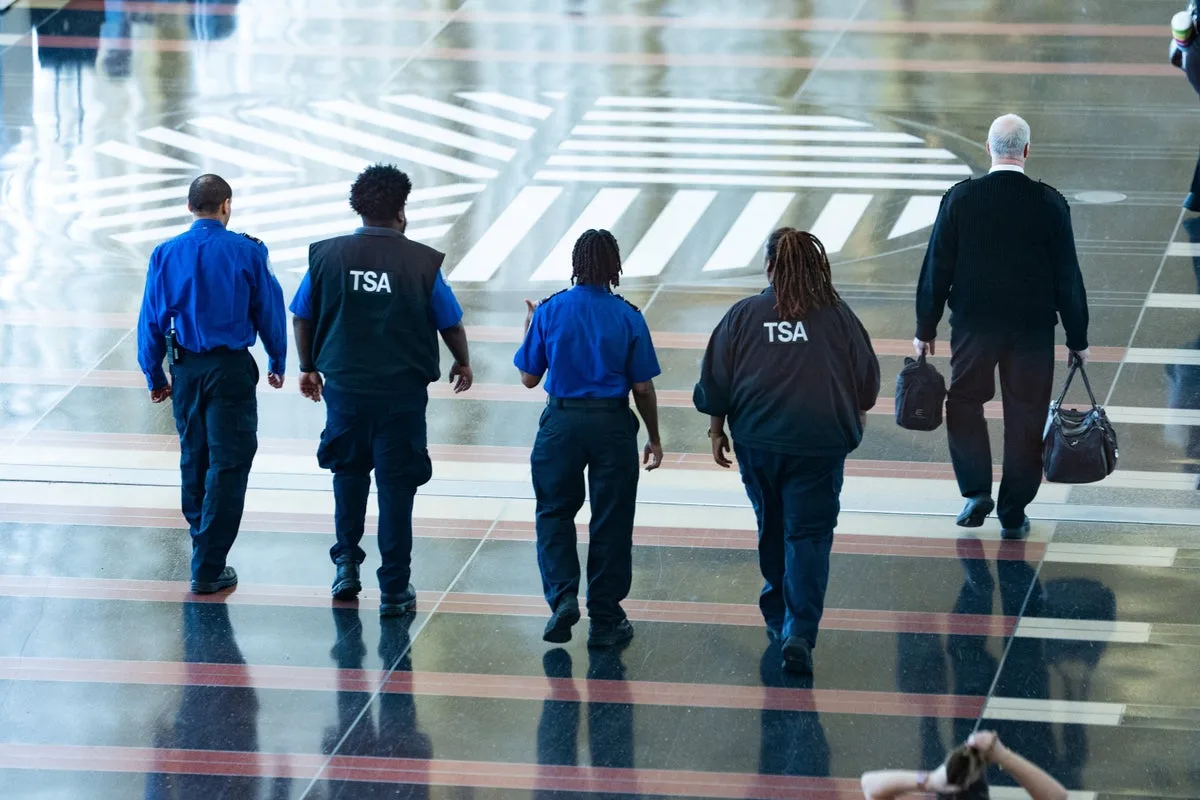
President Donald Trump has unveiled a contentious budget proposal for 2027 that seeks to privatise the Transportation Security Administration, a move that would eliminate more than 8,000 TSA positions and fundamentally reshape airport security across the United States. The White House estimates this restructuring could save approximately $52 million annually, but it has sparked fierce debate over national safety and worker welfare.
Massive Job Cuts and Privatisation Plan
The budget document explicitly calls for smaller airports to enrol in the TSA Screening Partnership Program, which permits facilities and airlines to contract private companies for security services under federal standards. This transition would result in the loss of 8,000 TSA roles, including 2,400 transportation security officers. "The move would yield cost savings compared to Federal screening and begin reform of a troubled Federal agency," the proposal states, framing it as an efficiency measure.
Security Alarms Sound as Critics Voice Fears
Opponents of privatisation have raised urgent concerns about potential security vulnerabilities. Johnny Jones, secretary-treasurer of the American Federation of Government Employees' TSA council, emphasised during a March press call: "I would not personally want to fly if I knew the whole entire system was privatised, because it's just not safe for the American people." He argued that putting profit before security could compromise safety, as contracts often go to the lowest bidder.
The union represents about 47,000 transportation security officers who currently perform screening duties. Their apprehension contrasts sharply with conservative advocates who believe privatisation would depoliticise airport operations and enhance reliability.
Government Shutdowns Exacerbate TSA Struggles
The proposal emerges against a backdrop of severe strain on TSA workers due to repeated government shutdowns. During these periods, roughly 95 percent of TSA employees are compelled to work without pay because they are deemed essential national security personnel. The ongoing Department of Homeland Security shutdown, now at a record 53 days, has pushed many to breaking point.
TSA Acting Administrator Ha Nguyen McNeill revealed that more than 500 officers have resigned since February, while thousands have taken temporary jobs to support their families. Desperate measures have included officers donating blood for extra income and sleeping in their cars because they cannot afford fuel for commutes. This staffing crisis led to security wait times exceeding four hours at some airports in March, setting a new record for delays.
Historical Context and Political Support
Before the September 11, 2001, terrorist attacks, airport security was primarily handled by private firms contracted by airlines, with less rigorous screening procedures. The TSA was established to implement stronger safeguards, but approximately 20 U.S. airports currently use the Screening Partnership Program with private companies. Notably, these airports experienced shorter wait times during recent shutdowns compared to major hubs relying on federal screeners.
Florida Governor Ron DeSantis voiced support in March, questioning, "Why give politicians the power to play games with the travel of our people?" Similarly, the Cato Institute, a libertarian think tank, renewed its longstanding advocacy for privatisation, asserting it would "insulate air travel from partisan battles in Washington and allow for greater efficiency and innovation."
Executive Action and Ongoing Funding Battle
Despite Trump signing an executive order this month to pay DHS employees, including TSA staff, the department remains unfunded by Congress, perpetuating uncertainty. The budget proposal aims to prevent future shutdown impacts by removing government control over TSA funding, but it faces a contentious path through legislative approval.
As debates intensify, the core question persists: whether privatising airport security will bolster efficiency or undermine the safety protocols painstakingly built since 9/11. With thousands of jobs at stake and traveller security in the balance, this proposal marks a pivotal moment for U.S. aviation policy.






