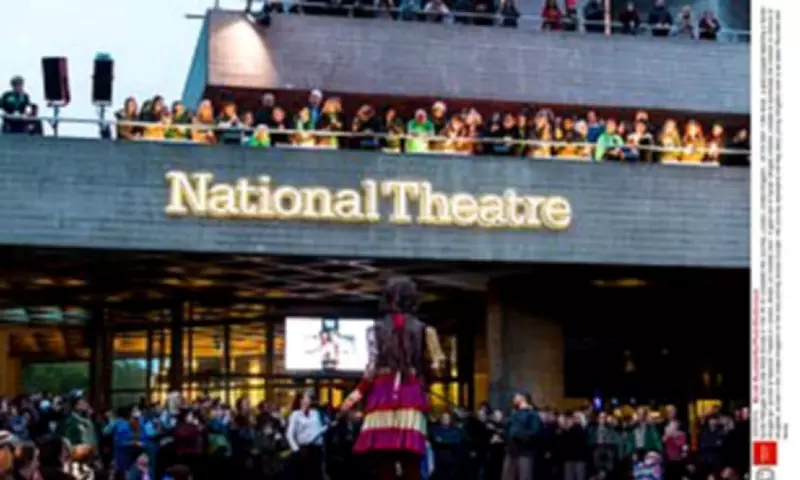
National Theatre's Dynamic Pricing Strategy Sparks Controversy Over Middle-Class Family Costs
The National Theatre has ignited a fierce debate by implementing a dynamic pricing model that offers significant discounts for students and unemployed individuals while potentially increasing costs for middle-class families. This publicly funded institution has adjusted its pricing strategy in response to supply and demand pressures, aiming to fulfill its commitment to offering 25 percent of tickets for £30 or less.
How Dynamic Pricing Works at the National Theatre
Dynamic pricing represents an economic model where organizations automatically adjust ticket prices based on demand fluctuations. While cheaper seats are theoretically available to all patrons, they are strictly limited to two tickets per customer. The theatre has introduced special "reduced standby" seats priced between £20 and £30, but these are exclusively reserved for students, theatre union members, and unemployed individuals, becoming available only one hour before performances begin.
This pricing structure means that middle-class families seeking to attend popular productions may face substantially higher costs. One father reported being quoted £440 for four tickets to see War Horse on a Saturday performance in June, while another patron received a quote of just £160 for the same number of tickets to a Monday showing of the same production.

Wider Context of Discount Schemes Across UK Attractions
The National Theatre's pricing strategy exists within a broader landscape of discount programs across major UK attractions. Numerous cultural institutions offer substantial reductions to benefit claimants, creating what some politicians describe as a "two-tier system that punishes work."
For example, a family of four can visit the Tower of London for just £4 instead of the standard £111 price if one parent receives universal credit. Similarly, entry to Buckingham Palace typically costs £99 for a family but drops to just £1 per ticket for universal credit claimants, representing a saving of £95 for two adults and two children.
More than 80 attractions across the United Kingdom provide discounts to benefit claimants, including:
- London Zoo offers an £82 reduction, bringing family tickets down from £108 to £26
- Westminster Abbey provides a £60 saving from its standard £62 family price
- HMS Belfast, St Paul's Cathedral, Kew Gardens, Kensington Palace, and the Cutty Sark all offer similar substantial reductions
Historic Royal Palaces reported that approximately 106,000 visitors used £1 tickets to enter the Tower of London between April 2025 and March 2026. Meanwhile, London Zoo sold 300,000 reduced-price tickets during the 2024/25 period, requiring only a screenshot or PDF as proof of eligibility.
Economic Analysis and Institutional Response
Christopher Swindon from the Institute of Economic Affairs think tank has raised concerns about the broader economic implications of such discount schemes. He warned that people who do not claim benefits may ultimately face higher prices to subsidize discounted tickets for other groups.
"The UK has developed a complex web of subsidies and discounts that, while not officially part of the welfare state, effectively redirect money from those who do not claim benefits to those who do," Swindon explained.
A National Theatre spokesperson defended the pricing strategy, telling the Telegraph: "In common with many performing arts organizations, the National Theatre does occasionally adjust prices as this supports our ability to offer a large quantity of accessibly priced tickets at £30 or under."
The spokesperson further noted that the theatre's £4 booking fee aligns with practices at other publicly subsidized venues, adding that certain groups including students are exempt from this charge. The Daily Mail has approached the National Theatre for additional comment on the controversy surrounding their dynamic pricing implementation.